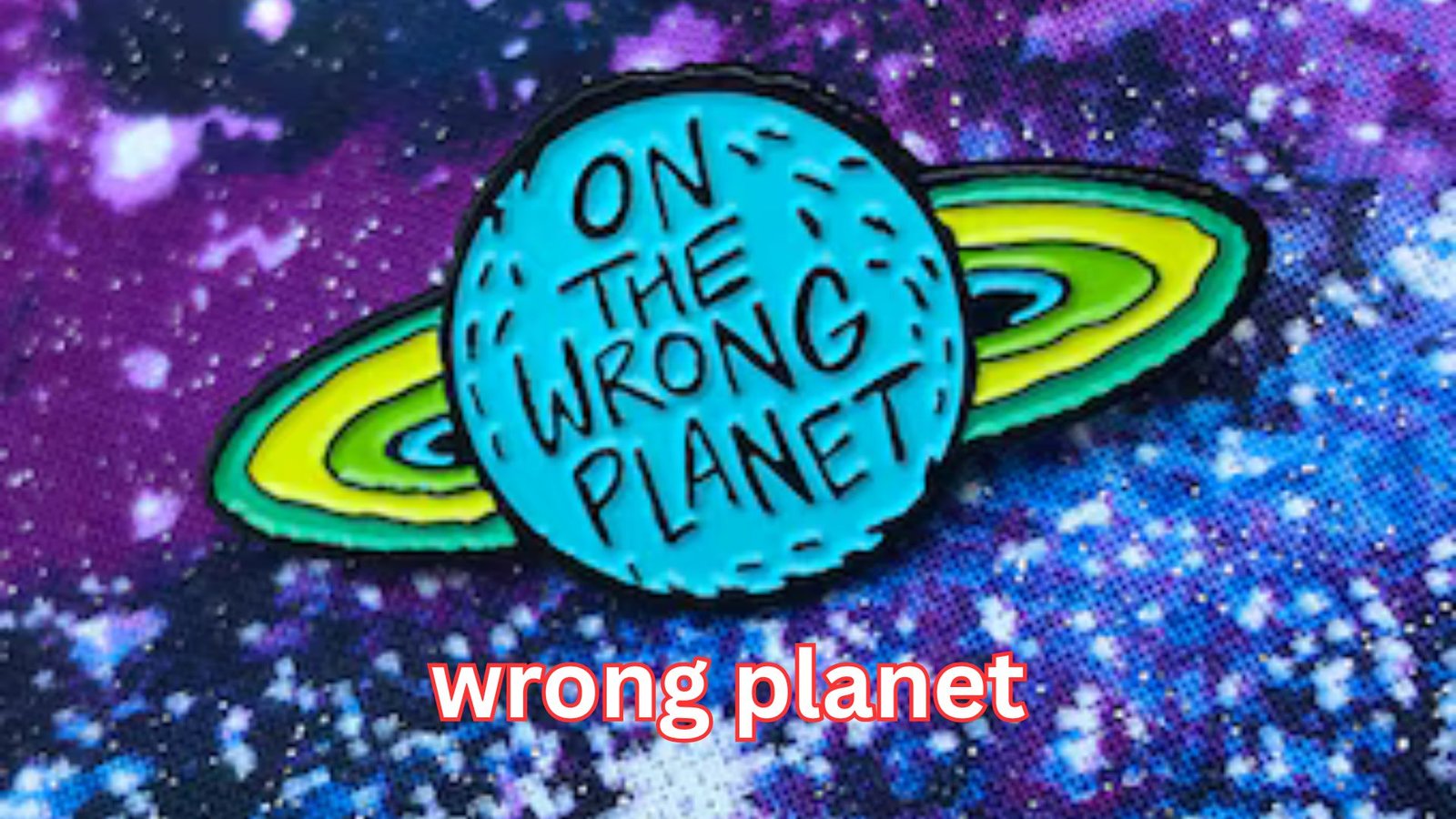
Wrong planet is a phrase many people quietly relate to when they feel disconnected, misunderstood, or out of place in modern society. It captures that deep, sometimes unsettling emotion of looking around and thinking you don’t quite belong here. Whether triggered by social expectations, rapid technological changes, or personal struggles, this feeling resonates across cultures and generations. Understanding where it comes from and how to respond to it can transform isolation into self-awareness and strength.
The Psychology Behind Feeling Out of Place
The idea of being on the “wrong” world is less about science fiction and more about psychology. Human beings are wired for connection, belonging, and shared meaning. When those needs are unmet, the mind searches for explanations. For some, the explanation becomes a powerful metaphor: perhaps this isn’t the right environment for me.
Feelings of alienation can stem from personality traits, neurodivergence, trauma, cultural displacement, or even creative temperament. Highly sensitive individuals, for example, often report feeling overwhelmed by noise, conflict, or social expectations. Deep thinkers may struggle in environments that prioritize speed over reflection. When personal values clash with dominant social norms, the sense of misalignment intensifies.
This experience does not mean someone is flawed. In fact, it often signals heightened awareness. Throughout history, innovators, artists, and reformers have described similar sentiments before bringing meaningful change to society.
Cultural Roots of the “Wrong Planet” Narrative
The metaphor has long appeared in literature, film, and online communities. From classic science fiction novels to modern social media forums, the concept of being misplaced in the universe speaks to universal human emotions.
In online spaces, communities have formed around this theme, offering a place for people who feel different to connect. These digital gathering spots validate experiences that might otherwise feel isolating. While some people interpret the metaphor playfully, others use it to describe genuine emotional struggles.
Pop culture has amplified the concept. Stories about aliens, time travelers, and misunderstood heroes often mirror our own internal questions about identity and belonging. These narratives remind us that feeling different does not mean being defective. Instead, it may suggest a unique perspective waiting to be understood.
Wrong Planet as a Modern Identity Metaphor
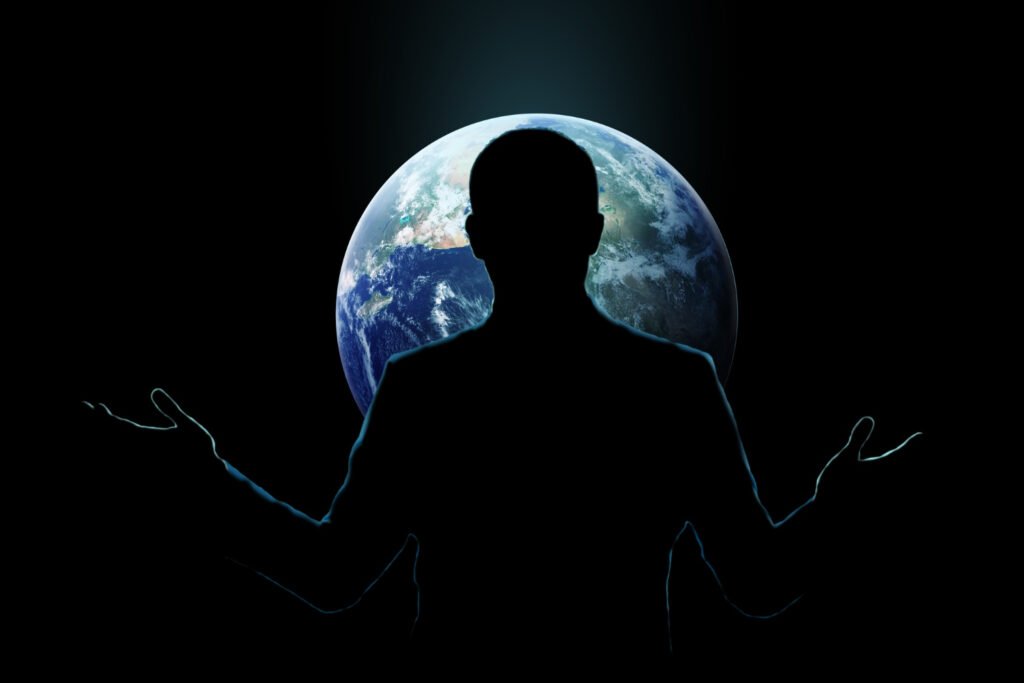
When someone says they feel like they are on the wrong planet, they are rarely speaking literally. It is a symbolic way of expressing misalignment with mainstream expectations. In a world that constantly pushes productivity, competition, and comparison, individuals who prioritize empathy, creativity, or introspection may feel out of sync.
Social media can intensify this sensation. Constant exposure to curated lives creates unrealistic standards. If someone’s experiences don’t match the dominant narrative of success, popularity, or achievement, they may begin to question their place.
At the same time, globalization and rapid technological evolution have reshaped cultural norms faster than many people can comfortably adapt. The result is a subtle but persistent sense of disorientation. The metaphor of being misplaced in the cosmos captures that emotional complexity in a single, powerful phrase.
Emotional and Mental Health Dimensions
Persistent feelings of alienation can sometimes overlap with anxiety, depression, or social withdrawal. However, it is important not to oversimplify. The emotional landscape behind the wrong planet sentiment is nuanced.
For some individuals, it is linked to childhood experiences of not fitting in. For others, it emerges during major life transitions such as moving to a new city, changing careers, or entering adulthood. Adolescence and early adulthood, in particular, are periods when identity formation can feel overwhelming.
Mental health professionals often emphasize that belonging begins with self-acceptance. Instead of trying to erase what makes someone different, growth often comes from integrating those traits into a coherent sense of identity. What initially feels like isolation can evolve into clarity about personal values and strengths.
The Role of Community in Overcoming Isolation
Human beings thrive in environments where they feel seen and understood. Finding even one person who shares similar perspectives can dramatically reduce feelings of alienation. Community does not always mean large groups; sometimes it is a single meaningful connection.
Shared interests provide natural pathways to belonging. Creative communities, advocacy groups, hobby-based clubs, and online forums allow people to discover others who resonate with their experiences. When individuals realize they are not alone in their perceptions, the metaphor of being misplaced loses some of its emotional weight.
Belonging also grows through contribution. When someone uses their unique viewpoint to add value—whether through art, mentorship, innovation, or kindness—they begin to see that their difference is not a mistake but an asset.
Personal Growth Through the Feeling of Being Different
Ironically, the discomfort associated with feeling like you’re on the wrong world can become a catalyst for personal development. It pushes individuals to question assumptions, explore alternative paths, and cultivate resilience.
People who feel out of sync with dominant norms often develop strong independent thinking skills. They learn to evaluate ideas based on personal principles rather than social pressure. This independence can lead to creativity and originality.
History is filled with examples of individuals who initially felt out of place but later reshaped society. Artists who challenged conventions, scientists who questioned established theories, and social reformers who rejected injustice all experienced some degree of alienation. Their willingness to embrace their perspective allowed them to contribute something new.
Navigating a World That Feels Misaligned
If someone identifies with the wrong planet metaphor, practical steps can help transform the experience into empowerment. Self-reflection is a powerful starting point. Understanding personal values, strengths, and preferences clarifies why certain environments feel uncomfortable.
Another important step is environment design. While we cannot change the entire world, we can shape aspects of our immediate surroundings. Choosing supportive social circles, aligning career paths with values, and setting boundaries around digital consumption can significantly reduce feelings of disconnection.
Professional support can also be beneficial. Speaking with a counselor or therapist provides structured space to unpack feelings of alienation and develop coping strategies. Seeking help is not a sign of weakness but an act of self-awareness.

Why the Wrong Planet Feeling Is More Common Than You Think
Modern life is complex and fast-paced. Many people privately experience moments of questioning their place. The pressure to appear confident and socially integrated often hides these struggles from view.
In reality, the sensation of being different is part of the human condition. Cultural narratives frequently celebrate conformity, yet diversity of thought and personality is what drives progress. The tension between individuality and belonging is universal.
The metaphor resonates because it simplifies a complex emotional experience into a relatable image. It communicates frustration, longing, and hope simultaneously. While the phrase suggests displacement, it also hints at curiosity and possibility.
Embracing Individuality in a Conformist Culture
Societies often reward predictable behavior. Educational systems, workplaces, and social structures tend to favor standardized paths. For individuals whose strengths lie outside those frameworks, frustration can build.
However, embracing individuality does not require rejecting society entirely. It involves identifying where one can operate authentically within existing systems while maintaining core values. Sometimes small adjustments—such as choosing a different work environment or redefining success—can dramatically shift perception.
Authenticity attracts connection. When individuals express their true interests and beliefs, they are more likely to find others who resonate. What initially felt like exile can transform into selective belonging.
From Isolation to Integration
The journey from feeling misplaced to feeling integrated is rarely instant. It involves experimentation, vulnerability, and patience. Yet the process often leads to deeper self-understanding than blind conformity ever could.
Integration does not mean losing uniqueness. It means finding ways to participate in the broader world while honoring personal identity. Many people discover that once they stop trying to suppress what makes them different, they attract environments that appreciate those qualities.
Over time, the narrative shifts. Instead of asking, “Why am I here?” the question becomes, “How can I contribute?” That shift reframes the experience entirely.
Conclusion: Turning the Metaphor Into Meaning
The idea of being on the wrong planet is ultimately a story we tell ourselves to make sense of disconnection. While the feeling can be painful, it also contains valuable information about identity, values, and unmet needs. Rather than interpreting it as proof of incompatibility with the world, it can be viewed as an invitation to deeper self-discovery.
Belonging is not about blending in perfectly. It is about finding or creating spaces where authenticity is welcomed. When individuals honor their unique perspectives, the world often feels less alien and more expansive. What once seemed like a sign of being misplaced can become evidence of originality, empathy, and strength.
Also Read: Mangalorean Powerful Cultural Legacy You Should Know About