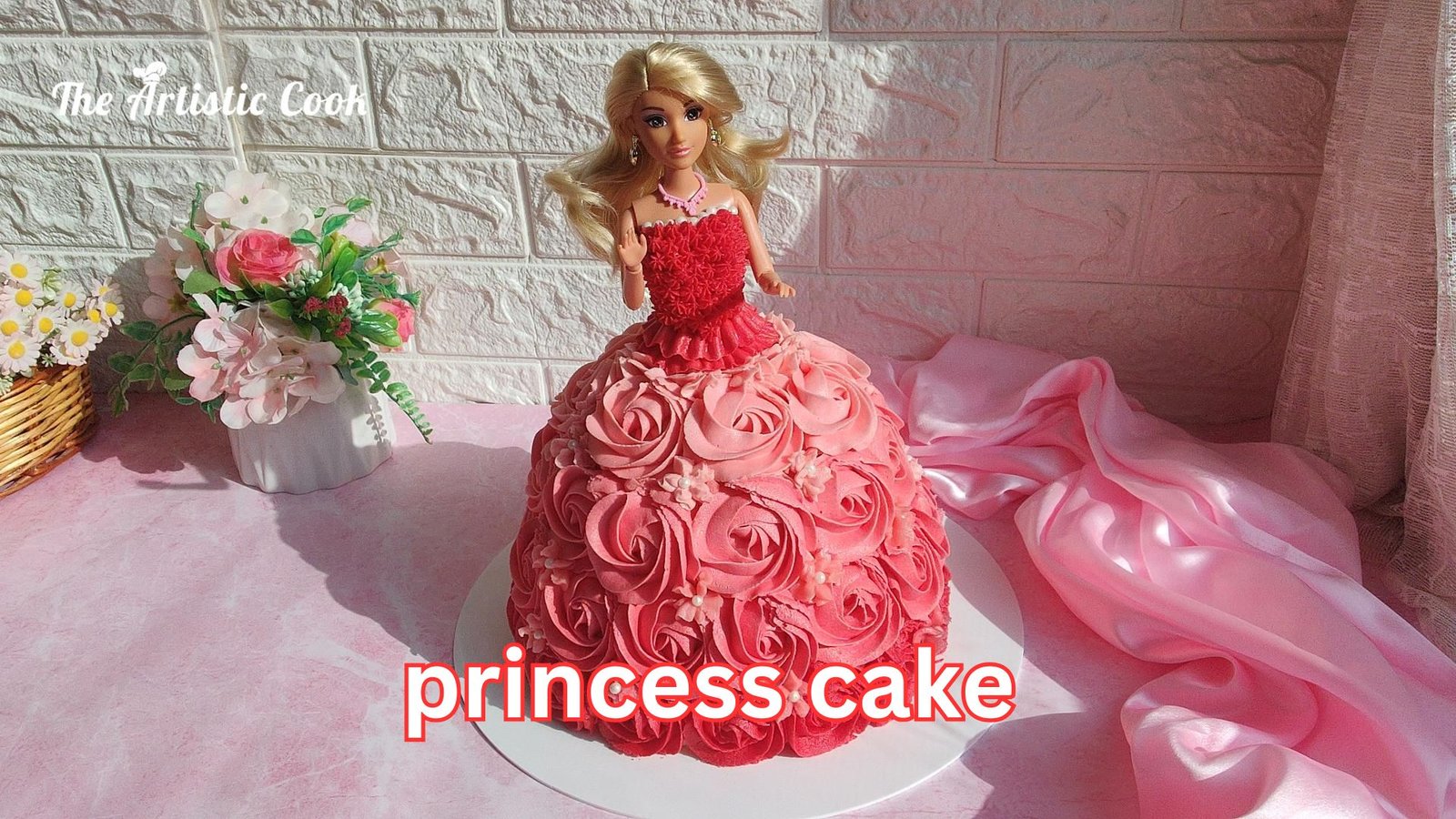
Princess cake is a timeless Scandinavian dessert known for its elegant green marzipan dome, delicate sponge layers, and luxurious custard and cream filling. Beautiful yet surprisingly balanced in flavor, this classic treat has captured hearts far beyond its Swedish roots. Whether served at birthdays, weddings, or festive gatherings, it represents celebration, refinement, and comforting sweetness in every bite.
The Origins of a Royal Scandinavian Classic
This iconic layered dessert traces its history back to early 20th-century Sweden. It was originally called “Grön Tårta,” meaning green cake, because of its signature marzipan coating. Over time, it became associated with Swedish royalty after three princesses were said to favor it. That connection helped solidify its name and elevate its popularity throughout Scandinavia.
The cake’s design reflects European pastry traditions while maintaining a distinctly Nordic simplicity. Unlike heavily frosted cakes common in other regions, this dessert focuses on balance. It combines airy sponge, silky pastry cream, whipped cream, and a smooth almond-based covering without overwhelming sweetness.
As migration and culinary curiosity expanded globally, this beloved Scandinavian creation made its way into bakeries across Europe, North America, and beyond. Today, it remains a centerpiece for celebrations, admired for both taste and visual elegance.
What Makes Princess Cake So Special?
The charm of princess cake lies in its harmonious layers. Each component plays an important role in building flavor and texture.
The base consists of light sponge cake layers, often soaked lightly with syrup to retain moisture. Between these layers sits a generous spread of pastry cream, which adds richness without heaviness. Whipped cream is then shaped into a soft dome over the top before everything is covered with rolled marzipan.
The final touch is typically a dusting of powdered sugar and a delicate pink marzipan rose placed at the center. This small detail transforms the dessert into a showpiece.
Unlike dense buttercream cakes, this Swedish specialty feels airy and refined. The almond sweetness of marzipan complements the creamy filling, while the sponge keeps the structure light. The result is indulgent but not overpowering.
The Role of Marzipan in Scandinavian Baking
Marzipan plays a crucial role in defining princess cake. Made from finely ground almonds and sugar, it delivers a subtle nutty sweetness that pairs beautifully with custard and cream.
In Scandinavian baking traditions, almond-based ingredients are common due to regional availability and culinary history. Marzipan is not just decorative; it adds flavor depth and structural support. When rolled thinly and draped over the cake, it forms a smooth, elegant shell that protects the delicate whipped cream underneath.
Its pastel green color has become iconic. Though variations exist in pink or white for themed events, the traditional version remains the most recognizable.
A Cake Designed for Celebrations
This layered Scandinavian dessert is strongly associated with joyful occasions. In Sweden, it is frequently served at birthdays, graduation parties, and holidays. Bakeries often customize it with inscriptions, different rose designs, or color variations for special events.
Its domed shape gives it a regal presence on the table. The smooth marzipan surface offers a canvas for minimal yet striking decoration. This combination of simplicity and sophistication is part of why princess cake remains so popular across generations.
Even outside Sweden, many bakeries prepare it for weddings and anniversaries. The cake’s refined appearance fits both formal and intimate celebrations.
Princess Cake in Modern Bakeries
As global tastes evolve, pastry chefs have introduced creative twists while respecting the traditional foundation. Some modern versions incorporate raspberry jam between layers for added brightness. Others experiment with chocolate sponge or flavored custards such as vanilla bean or citrus.
Despite innovation, the core elements remain consistent: sponge, custard, whipped cream, and marzipan. Removing any one of these would change the identity of the dessert entirely.
Artisan bakeries often emphasize high-quality almonds for superior marzipan texture. Freshly whipped cream and carefully balanced custard ensure the cake remains light rather than overly rich.
The enduring appeal of princess cake lies in its versatility. It can be both classic and contemporary without losing its essence.
How It Compares to Other European Layered Cakes
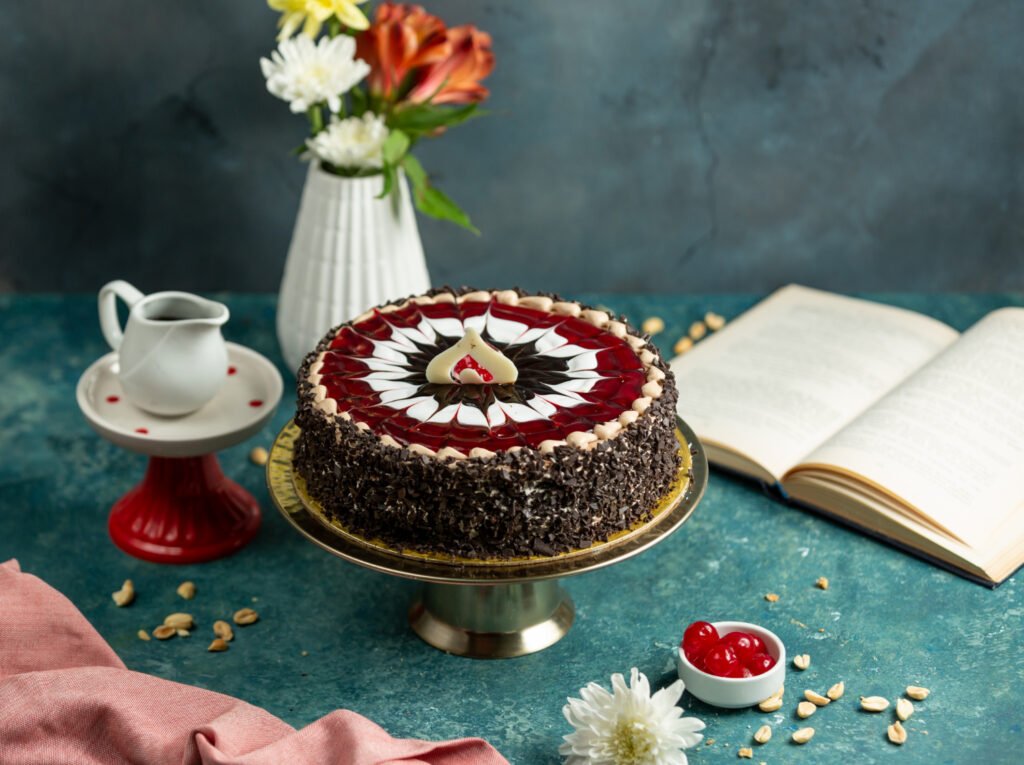
Across Europe, many countries boast their own iconic celebration cakes. For example, Black Forest cake from Germany features chocolate sponge, cherries, and whipped cream, offering a richer, fruit-forward experience. In Austria, Sachertorte delivers dense chocolate layers paired with apricot jam and a glossy glaze.
Compared to these chocolate-heavy classics, princess cake feels lighter and more delicate. Its almond-forward profile sets it apart, while the absence of heavy frosting gives it a refined texture.
This difference makes it especially appealing to those who prefer balanced sweetness over intense richness. It is indulgent without being overwhelming, making it suitable for both afternoon tea and formal celebrations.
The Art of Assembly and Presentation
Crafting this Scandinavian dessert requires patience and precision. The sponge layers must be evenly baked and carefully sliced. Pastry cream should be thick enough to hold structure yet smooth enough to spread effortlessly.
After layering the sponge and custard, whipped cream is generously added and shaped into a dome. This step defines the cake’s signature silhouette. The marzipan must then be rolled thinly to avoid heaviness and draped smoothly over the dome without tearing.
Trimming excess marzipan creates clean edges at the base. A light dusting of powdered sugar enhances the visual softness, while a decorative rose completes the design.
Although it may look complex, experienced bakers consider it a manageable challenge with rewarding results. The visual payoff makes the effort worthwhile.
Flavor Profile and Texture Experience
One of the reasons princess cake remains beloved is its balanced flavor profile. The sponge provides a neutral, airy base. Custard introduces creamy sweetness with subtle vanilla notes. Whipped cream adds lightness and freshness. Marzipan brings almond depth and a gentle chew.
Each bite delivers multiple textures at once. The outer almond layer yields slightly before meeting the soft cream interior. The sponge absorbs moisture from the fillings, creating a cohesive, melt-in-the-mouth experience.
Unlike heavily frosted cakes, this Scandinavian treat avoids excessive sugariness. Instead, it highlights natural flavors and creamy smoothness.
Cultural Significance in Sweden
In Sweden, this cake is more than just dessert. It represents tradition and national pride. Many Swedes grow up enjoying it at family gatherings and school celebrations. Bakeries display it prominently in their windows, particularly during festive seasons.
Its association with royalty further reinforces its cultural identity. While its origins may be humble, the cake’s evolution into a national symbol reflects the importance of culinary heritage in Scandinavian life.
For expatriates and international fans of Nordic cuisine, enjoying a slice can feel like reconnecting with Swedish culture and memories.
Tips for Enjoying It at Its Best
To fully appreciate princess cake, serve it slightly chilled but not overly cold. This allows the custard and cream to maintain their smooth texture while preserving structural integrity.
Use a sharp knife warmed briefly under hot water for clean slices. Wipe the blade between cuts to maintain the cake’s elegant appearance.
Pairing it with coffee or tea enhances the experience. The mild bitterness of coffee balances the sweetness, while tea highlights the almond and vanilla notes.
Freshness matters greatly. Because of the whipped cream and custard, it is best consumed within a day or two of preparation.
Why Princess Cake Continues to Endure
Culinary trends come and go, yet princess cake remains a staple in Scandinavian bakeries. Its continued popularity stems from its perfect blend of visual appeal, balanced sweetness, and cultural significance.
In an era where extravagant desserts often dominate social media, this classic stands out through understated elegance. It does not rely on excessive decoration or intense flavors. Instead, it wins admiration through craftsmanship and harmony.
For home bakers, recreating this dessert offers both a technical challenge and a rewarding centerpiece. For pastry lovers, tasting it provides a glimpse into Nordic baking traditions.
Also Read: Best Civil Engineering Schools The Ultimate Guide to Top-Rated Programs with Proven Success