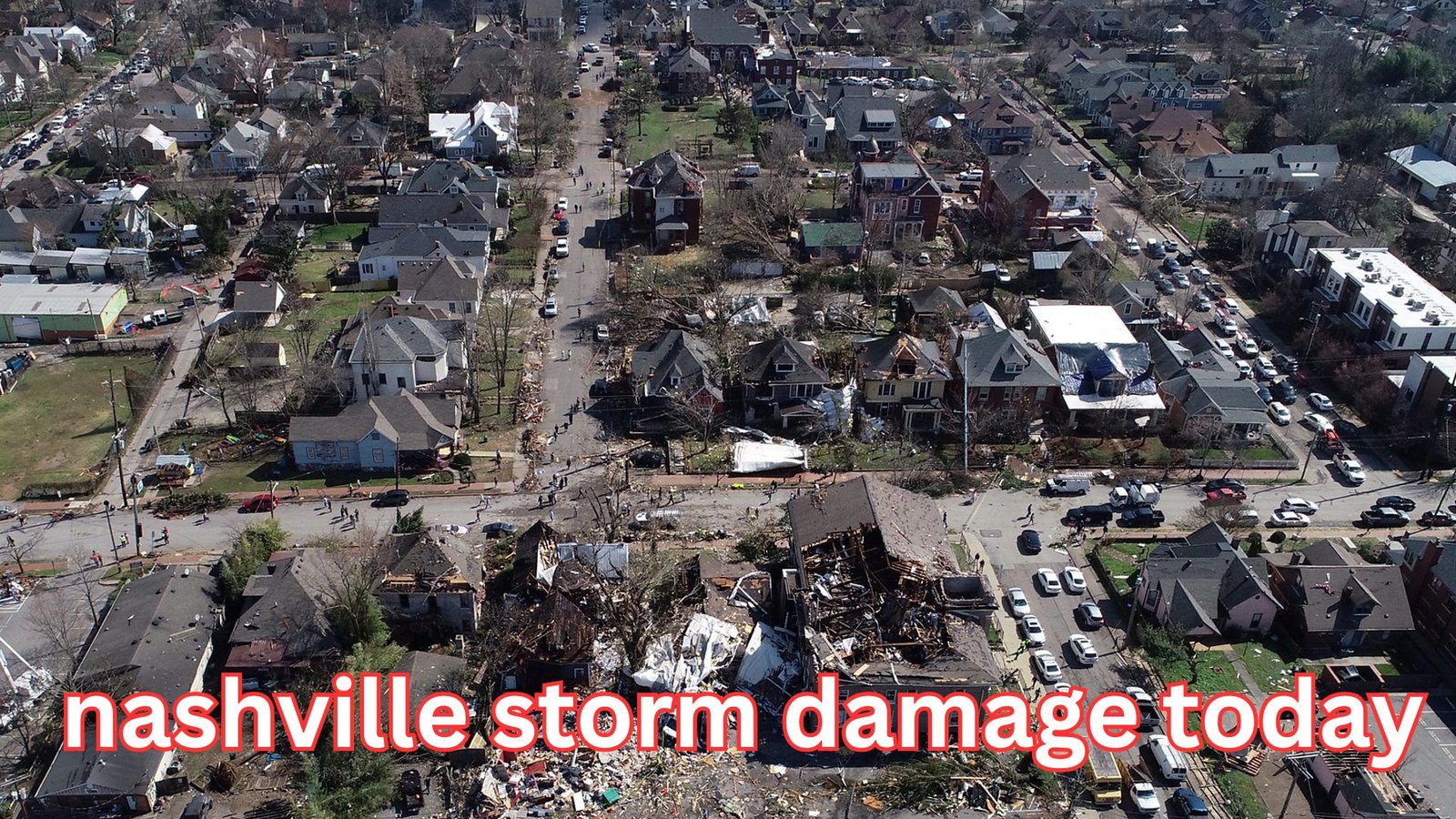
Nashville storm damage today has left residents assessing destruction, restoring power, and beginning the process of rebuilding after intense weather swept through the region. Strong winds, heavy rainfall, and fast-moving storm cells disrupted daily life across neighborhoods, causing structural damage, traffic delays, and temporary business closures. As emergency crews respond and communities unite, the focus has shifted toward safety, recovery, and long-term resilience.
Severe weather in Middle Tennessee is not uncommon, but the intensity of recent conditions has renewed conversations about preparedness and infrastructure strength. From damaged rooftops to fallen power lines, the aftermath has touched both residential streets and commercial districts. City officials, utility companies, and volunteer groups are working around the clock to stabilize affected areas and support families in need.
Understanding the Scope of the Severe Weather
Storm systems moving across the Southeast often gain strength quickly, and this latest event was no exception. Meteorologists had issued warnings hours before the strongest cells reached Davidson County, yet the rapid development of high winds caught many residents by surprise.
Reports indicate that wind gusts exceeded typical seasonal averages, resulting in uprooted trees and scattered debris across multiple communities. In some areas, flash flooding temporarily blocked intersections, while other neighborhoods experienced minor structural issues such as damaged siding and broken windows.
Although widespread devastation was avoided, the cumulative impact across homes and businesses created significant disruption. Local authorities emphasized that early warning systems helped reduce injuries, demonstrating the importance of timely weather alerts and community awareness.
Nashville Storm Damage Today: Areas Most Affected
While weather conditions varied across the metropolitan area, certain districts experienced heavier impacts than others. Parts of East Nashville reported downed trees blocking residential streets, while sections of North Nashville saw localized power outages that lasted several hours.
Commercial corridors also felt the strain. Small businesses faced temporary closures due to electrical interruptions and water intrusion. In suburban neighborhoods, homeowners began documenting roof damage and filing insurance claims shortly after conditions cleared.
Emergency response teams conducted rapid assessments to identify hazardous areas, particularly where fallen utility poles posed safety risks. Traffic signals malfunctioned at several intersections, prompting law enforcement officers to manage congestion manually until systems were restored.
Despite these challenges, early evaluations suggest that coordinated response efforts helped prevent more severe outcomes.
Power Outages and Infrastructure Response
One of the most immediate consequences of Nashville storm damage today was the disruption of electricity service. Utility crews were deployed swiftly to restore power lines and replace damaged transformers. Restoration timelines varied depending on the severity of local damage, but most residential outages were resolved within hours.
Infrastructure resilience remains a key discussion point. Aging power grids and increased urban density can amplify the impact of strong storms. City planners have previously outlined modernization initiatives designed to strengthen electrical networks and improve drainage systems in flood-prone areas.
Transportation systems were also affected. Minor road flooding required temporary detours, and public transit schedules experienced delays. However, major highways remained largely operational, minimizing long-distance travel disruption.
As cleanup continues, public works departments are prioritizing debris removal to prevent additional hazards.
Community Response and Relief Efforts
Moments of crisis often reveal the strength of local communities, and this event has been no different. Neighbors have assisted one another with clearing yards, checking on elderly residents, and sharing resources.
Nonprofit organizations and faith-based groups opened temporary support centers for those experiencing property damage. These centers provide information about insurance claims, temporary repairs, and emotional support services.
Local government agencies encouraged residents to report damage through official portals, enabling more accurate assessment data for potential state or federal assistance. Transparent communication has helped residents stay informed about repair timelines and available aid.
In the wake of Nashville storm damage today, volunteerism has surged, reinforcing the city’s reputation for resilience and solidarity.

The Role of Weather Preparedness in Middle Tennessee
Storm events serve as reminders that preparedness can significantly reduce risk. Experts recommend maintaining emergency kits with essentials such as flashlights, batteries, bottled water, and important documents stored safely.
Homeowners are encouraged to inspect roofs and gutters regularly, especially during storm seasons. Reinforcing loose shingles, trimming tree branches near structures, and ensuring proper drainage can mitigate future damage.
Weather alert apps and local news broadcasts provide real-time updates that can guide timely decisions. When warnings are issued, staying indoors and away from windows remains one of the most effective safety measures.
By strengthening preparedness habits, residents can reduce the impact of similar events in the future.
Economic Impact on Local Businesses
Severe weather does more than damage property; it can disrupt economic activity. Temporary closures, supply chain delays, and repair costs place financial strain on small enterprises.
Restaurant owners reported minor roof leaks and patio damage, while retail shops faced short-term inventory challenges due to moisture exposure. Although most businesses expect to reopen quickly, recovery costs may take longer to absorb.
Insurance providers are currently processing claims related to Nashville storm damage today, and business owners are encouraged to document losses thoroughly. Economic resilience often depends on swift communication between property owners, insurers, and contractors.
City officials have indicated that they are monitoring the situation closely to determine whether broader relief measures will be necessary.

Environmental Considerations After the Storm
Heavy rainfall can contribute to soil erosion and increased runoff into nearby waterways. Environmental agencies are assessing whether sediment displacement has affected local streams or green spaces.
Urban tree loss is another concern. Mature trees not only enhance neighborhood aesthetics but also support environmental health. Replanting initiatives may be considered in areas where wind damage removed significant canopy coverage.
Stormwater management systems are also under review. Effective drainage plays a critical role in preventing prolonged flooding, particularly as climate patterns shift and extreme weather events become more frequent.
Addressing environmental consequences now can reduce vulnerability to future storms.
How Residents Are Moving Forward
Recovery is a process that unfolds in stages. Immediate safety concerns give way to repairs, insurance coordination, and long-term planning. Contractors across the region are experiencing increased demand as homeowners seek inspections and estimates.
Community meetings have been scheduled to discuss infrastructure improvements and preparedness strategies. Residents are encouraged to participate in these discussions, ensuring their voices contribute to future planning decisions.
While Nashville storm damage today has caused disruption, it has also reinforced awareness about the importance of readiness and collaboration.
Insurance, Documentation, and Next Steps
Following severe weather events, accurate documentation becomes essential. Homeowners and business operators are advised to photograph damage before beginning repairs. Keeping receipts for temporary fixes can support reimbursement claims.
Insurance adjusters typically prioritize cases involving structural compromise or safety risks. Patience is often necessary during high-volume claim periods, but clear communication can expedite resolution.
In some cases, state-level emergency declarations may unlock additional assistance programs. Officials continue to evaluate the cumulative impact to determine eligibility thresholds.
Residents who experience lingering electrical or structural concerns should contact qualified professionals rather than attempting risky repairs independently.
Strengthening the City for the Future
Urban resilience planning has become a major focus for growing metropolitan areas. Investments in upgraded drainage systems, stronger building codes, and improved emergency communication channels can significantly reduce vulnerability.
Nashville’s growth in recent years has brought economic vitality, yet expansion also requires infrastructure capable of withstanding extreme weather patterns. Collaborative efforts between city leaders, engineers, and environmental experts are vital for long-term stability.
Public education campaigns emphasizing preparedness can further empower households. When individuals understand risks and response protocols, communities recover more efficiently.
The experience of Nashville storm damage today underscores the need for proactive planning rather than reactive rebuilding alone.
A City United in Recovery
Although storms can disrupt routines and damage property, they often strengthen community bonds. Residents checking on neighbors, local businesses supporting one another, and volunteers stepping forward all contribute to a faster recovery.
Authorities continue to monitor weather forecasts in case additional systems develop. For now, cleanup and assessment remain the primary focus.
Nashville has weathered storms before, and its history reflects a pattern of resilience. With coordinated response efforts, transparent communication, and ongoing infrastructure improvements, the city is positioned to recover steadily.
Also Read: Rex Chapman vs Jordan: The Incredible and Intense Rivalry That Shocked the NBA