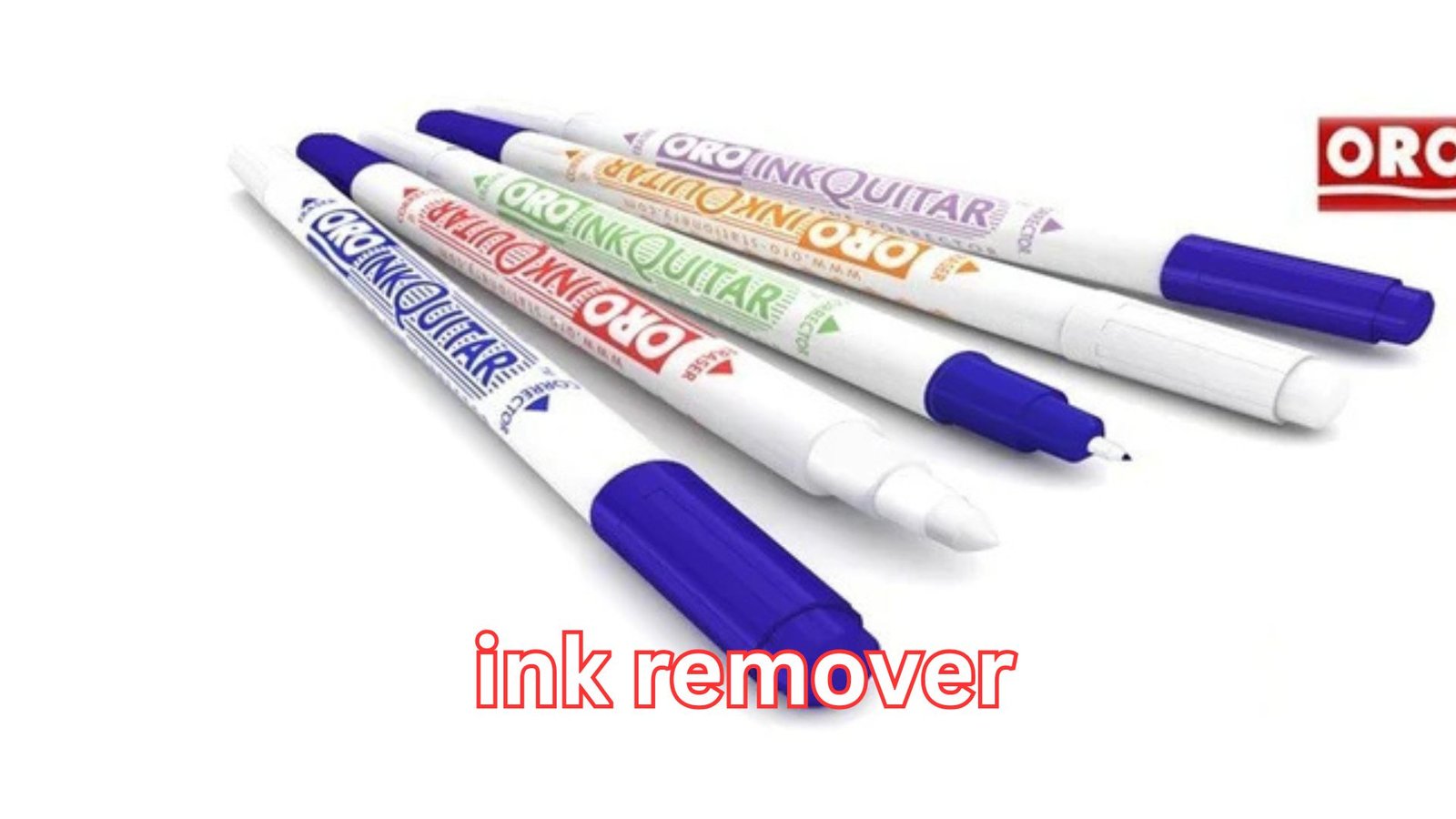
Ink remover solutions are essential when accidental pen marks, printer smudges, or permanent marker stains threaten to ruin clothing, furniture, or important documents. Whether it’s a school uniform covered in ballpoint ink or a sofa marked by a stray marker, knowing how to remove stubborn stains safely can save both time and money. This complete guide explains how ink stains behave, which removal methods work best, and how to treat different surfaces effectively without causing damage.
Ink stains can be frustrating because they bond quickly to fibers and porous materials. The type of ink, the surface involved, and how long the stain has been sitting all influence the cleaning process. Understanding these factors helps you choose the right approach rather than spreading the stain further.
Understanding Different Types of Ink Stains
Not all inks are created equal. Ballpoint ink contains oil-based compounds, making it more resistant to water. Gel pens and fountain pens often use water-based formulas, which are generally easier to treat. Permanent markers, on the other hand, are designed to resist fading and washing, making them the toughest to remove.
When ink comes into contact with fabric, leather, wood, or plastic, it reacts differently depending on the surface’s porosity. Porous materials absorb pigment deeper, while smooth surfaces allow the stain to sit on top, making removal simpler. Acting quickly improves your chances of success because fresh stains are easier to lift than dried ones.
How Ink Remover Works on Different Surfaces
An effective ink remover works by breaking down pigments and loosening the bonding agents that attach ink to surfaces. Some products rely on alcohol-based formulas, while others use specialized solvents designed for delicate materials. The key is dissolving the ink without damaging the material underneath.
On fabrics, stain-lifting agents penetrate fibers to separate pigment particles. On hard surfaces like plastic or glass, solvents dissolve ink so it can be wiped away cleanly. Leather requires extra care because harsh chemicals may cause discoloration or dryness.
Using the wrong cleaning solution can spread the stain or permanently damage the material. Always test a small, hidden area first before applying any product directly to the affected spot.
Choosing the Right Ink Remover for Fabric
When dealing with clothing, the fabric type matters significantly. Cotton and polyester blends respond well to alcohol-based solutions. Delicate materials like silk and wool require gentler treatments to avoid fiber damage.
Before applying any cleaning agent, place a clean cloth under the stained area to prevent transfer. Dab gently rather than rubbing, as friction can push pigment deeper into the fibers. Rinse thoroughly and repeat if necessary before washing normally.
Pre-treatment sprays designed specifically for ink stains often work effectively when applied early. However, avoid using hot water until the stain is completely gone, since heat can set pigment permanently.
Removing Ink from Upholstery and Carpets
Furniture and carpets present unique challenges because they cannot be soaked or washed easily. Start by blotting excess ink with a dry cloth. Avoid scrubbing, which spreads the stain across a wider area.
Apply a small amount of solvent-based cleaner and blot repeatedly. Patience is crucial here. Multiple gentle treatments are safer and more effective than one aggressive attempt. After removing the stain, lightly rinse the area with water and allow it to air dry naturally.
Ventilation is important when working indoors with strong cleaning agents. Keeping windows open ensures safer use and reduces lingering odors.
Safe Techniques for Leather and Synthetic Materials
Leather requires special attention because it absorbs liquids quickly and can lose its natural oils. Use a mild cleaning solution and apply sparingly with a soft cloth. After removing the stain, condition the leather to restore moisture and prevent cracking.
Synthetic surfaces such as plastic or laminate respond well to alcohol wipes or non-acetone solvents. Gently rub in circular motions and wipe clean with a damp cloth afterward.
Be cautious when using acetone-based products, as they can damage finishes or cause discoloration, especially on painted or coated materials.

Household Alternatives That Can Help
Sometimes you may not have a commercial product available. Common household items can assist in emergency situations. Rubbing alcohol is one of the most reliable options for dissolving ink pigments. Hand sanitizer, which contains alcohol, may also help on small stains.
White vinegar combined with baking soda can lift certain water-based stains. Milk has traditionally been used for soaking stained fabric overnight, although results vary depending on ink type.
While home remedies can be useful, they are not always as consistent as purpose-designed cleaning solutions. It is important to assess the surface carefully before trying any DIY method.
Preventing Ink Stains Before They Happen
Prevention is often easier than removal. Store pens securely and avoid placing uncapped markers in bags or pockets. Choose washable markers for children whenever possible to reduce damage risks.
Using protective covers on furniture and work surfaces can minimize permanent marks. For office environments, keeping cleaning supplies accessible allows immediate response to spills.
Quick action significantly increases the success rate of stain removal. The sooner treatment begins, the less chance ink has to bond permanently.
Common Mistakes to Avoid
Many people instinctively rub stains vigorously, which only spreads pigment deeper into fibers. Another common mistake is applying heat before the stain is fully removed. Ironing or machine drying can permanently set the mark.
Using bleach indiscriminately can weaken fabric and create discoloration, especially on colored materials. Similarly, mixing different chemicals without knowledge can create harmful fumes or damage surfaces.
Patience and methodical treatment produce better results than rushed attempts.
When Professional Cleaning Is Necessary
In some cases, especially with expensive fabrics or delicate upholstery, professional cleaning services are the safest option. Specialists have access to advanced solvents and equipment designed for targeted stain treatment.
If the stained item holds high sentimental or financial value, consulting an expert reduces the risk of irreversible damage. Professional cleaners can assess the ink type and surface composition to determine the most appropriate approach.
Although at-home treatments are effective for many situations, knowing when to seek expert help can save costly replacements.
Environmental Considerations and Safe Usage
Many cleaning products contain solvents that should be used responsibly. Always read instructions carefully and avoid overuse. Dispose of cleaning cloths properly, especially if they contain chemical residue.
Choosing eco-friendly solutions reduces environmental impact and improves indoor air quality. Look for biodegradable formulas or low-odor options when available.
Safe storage away from children and pets is equally important. Keeping cleaning agents in labeled containers prevents accidental misuse.

The Role of Ink Remover in Everyday Life
An ink remover plays an essential role in maintaining clothing, furniture, and personal belongings. From classrooms to corporate offices, ink stains are a common occurrence. Having the right product and knowledge ensures these accidents do not lead to permanent damage.
Modern formulations are designed to balance strength and safety, offering effective stain removal without harming materials. Whether dealing with fresh pen marks or dried permanent ink, the right approach makes a significant difference.
Over time, understanding how various surfaces react to solvents helps build confidence in stain treatment. Each successful cleaning reinforces proper technique and prevention habits.
Conclusion
Ink stains may seem overwhelming at first, but they are rarely impossible to treat. With the correct methods, patience, and surface-specific solutions, even stubborn marks can be significantly reduced or eliminated. Choosing the appropriate ink remover, applying it carefully, and avoiding common mistakes ensures safe and effective results.
Also Read: Nashville Storm Damage Today: Shocking Impact and Hopeful Recovery Efforts