A loofah is a common bath accessory that helps exfoliate the skin and create rich lather while showering. However, many people do not realize that these sponge-like tools can easily trap moisture, soap residue, and dead skin cells. Over time, this environment becomes ideal for bacteria and mold growth. Understanding how to clean a loofah properly is essential for maintaining personal hygiene and preventing skin irritation or infections. When maintained correctly, this simple shower item can stay fresh, safe, and effective for daily use.
Why Proper Loofah Maintenance Matters
Loofahs work by gently scrubbing away dead skin cells, leaving the skin smoother and refreshed. Because they are used in a damp environment, they naturally absorb water and hold onto organic material such as soap and skin debris. Without regular cleaning, these conditions allow microorganisms to multiply quickly.
Dermatologists often warn that neglected bath sponges may become breeding grounds for bacteria. This can lead to skin issues like acne breakouts, irritation, or infections, especially for people with sensitive or compromised skin. Regular sanitizing not only protects your skin but also helps extend the lifespan of the sponge.
Another important factor is odor. When bacteria accumulate, loofahs can develop an unpleasant smell that makes the shower experience less enjoyable. Consistent cleaning keeps the sponge fresh and hygienic while preserving its exfoliating texture.
How to Clean a Loofah Properly
Learning how to clean a loofah is a simple process that requires only a few minutes and common household items. The most effective method involves rinsing, disinfecting, and drying the sponge thoroughly.
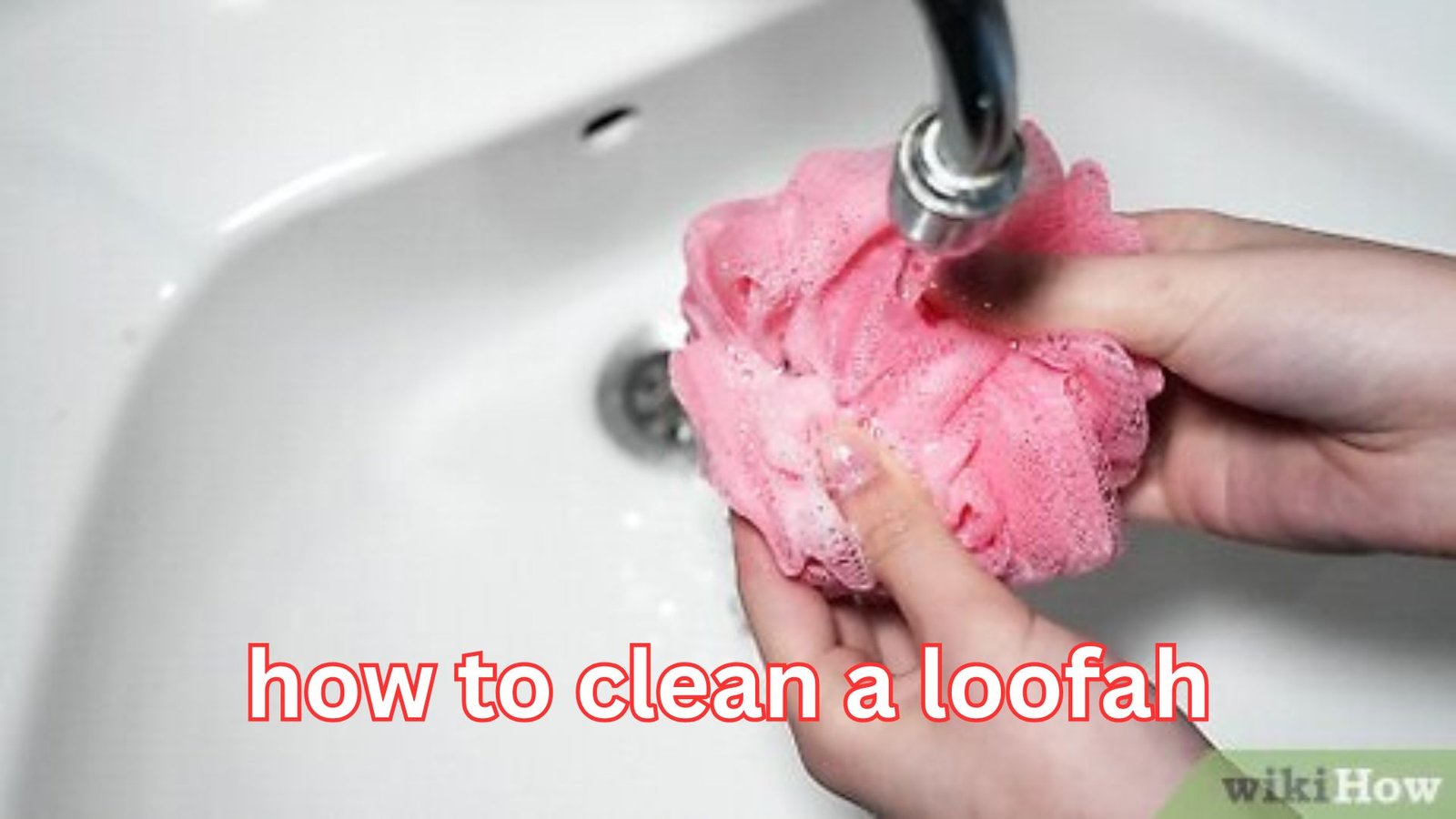
Start by rinsing the loofah under hot running water immediately after each use. This helps remove soap residue and loose skin particles trapped within the fibers. After rinsing, squeeze out as much water as possible to prevent moisture from lingering inside.
For a deeper cleaning routine, soaking the sponge in a disinfecting solution is highly effective. A mixture of warm water and a small amount of vinegar or diluted bleach can kill bacteria and fungi that build up over time. Allow the sponge to soak for several minutes before rinsing it thoroughly with clean water.
Drying is just as important as washing. Loofahs should always be hung in a well-ventilated area outside the shower so they can dry completely between uses. A dry environment discourages microbial growth and helps keep the sponge in good condition.
Natural vs Synthetic Loofahs
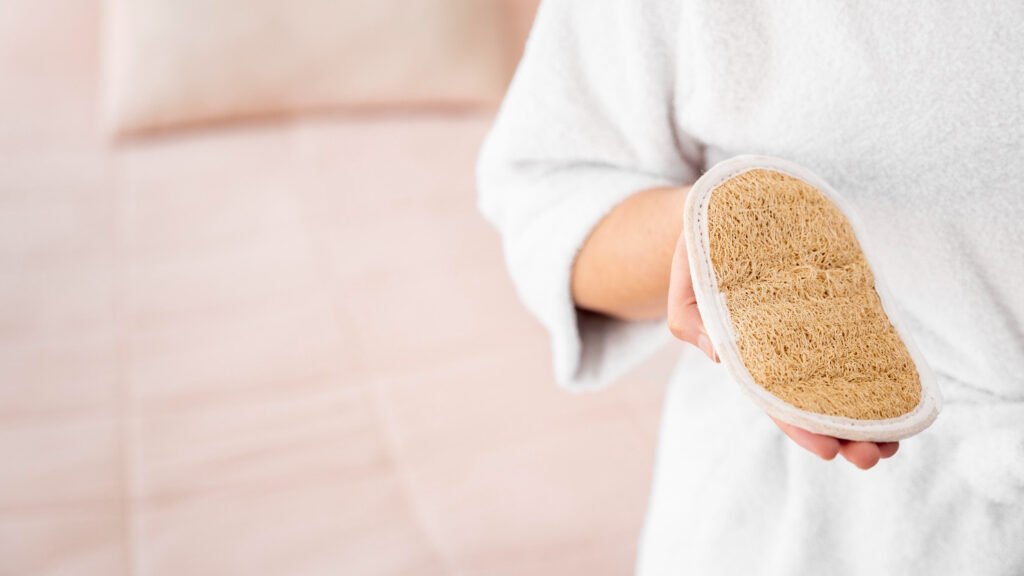
Not all loofahs are made the same. Some are natural plant-based sponges derived from the fibrous interior of the loofah gourd, while others are synthetic mesh bath poufs made from plastic fibers.
Natural loofahs tend to be more biodegradable and environmentally friendly. However, their organic structure can sometimes hold onto moisture more easily. This means they require more careful drying and cleaning to stay sanitary.
Synthetic bath sponges, on the other hand, dry faster and are often easier to maintain. Their mesh design allows water to drain more easily, reducing the chance of bacteria accumulating deep inside the fibers. Regardless of the material, regular sanitizing remains essential for both types.
Signs Your Loofah Needs Cleaning or Replacement
Even with proper maintenance, bath sponges do not last forever. Recognizing the signs of wear and contamination can help you decide when it is time to replace one.
A noticeable odor is often the first indicator that bacteria have begun to build up inside the fibers. If the sponge smells unpleasant even after washing, it may be nearing the end of its usable life.
Another sign is discoloration or visible mold spots. Dark patches or unusual stains suggest fungal growth and should not be ignored. Using a contaminated sponge can spread bacteria across the skin.
Texture changes can also signal that a loofah needs replacing. When the fibers begin to break apart, flatten, or feel slimy, they are no longer effective for exfoliation and may harbor microbes.
How Often You Should Sanitize Your Bath Sponge
Knowing how to clean a loofah is only part of maintaining hygiene. Establishing a regular cleaning schedule is equally important.
Experts typically recommend deep-cleaning a loofah at least once per week. This routine helps prevent bacteria from accumulating to harmful levels. Daily rinsing and proper drying after each shower also play a major role in keeping the sponge fresh.
In households with multiple users, loofahs should never be shared. Each person should have their own bathing sponge to reduce the risk of transferring bacteria or skin infections.
Replacing loofahs regularly is another key part of hygiene. Most dermatologists suggest replacing them every three to four weeks, especially if they are used daily.
Common Mistakes People Make With Bath Sponges
Many people unknowingly shorten the lifespan of their loofah or increase bacterial growth through simple mistakes.
One of the most common errors is leaving the sponge hanging inside the shower. Bathrooms often stay humid long after a shower ends, which prevents the sponge from drying completely. Moving it to a drier location can significantly reduce bacterial buildup.
Another mistake is skipping the rinsing step after use. Soap residue and skin particles remain trapped inside the fibers if they are not washed away, creating an environment where bacteria thrive.
Some individuals also assume that squeezing out water is enough to keep the sponge clean. While this step helps reduce moisture, it does not remove microbes or contaminants that accumulate over time.
Health Benefits of Maintaining a Clean Loofah
Keeping bath sponges sanitary provides several health advantages beyond simple cleanliness.
Regular cleaning helps protect the skin barrier by preventing the transfer of harmful microorganisms. This is particularly important for people prone to acne, eczema, or other skin conditions. Using a contaminated sponge can worsen these issues by introducing bacteria directly onto the skin.
Maintaining a clean sponge also supports effective exfoliation. When fibers remain free of residue and buildup, they are better able to remove dead skin cells and improve skin texture.
Additionally, a hygienic loofah contributes to an overall healthier bathing routine. When bath accessories are properly sanitized, the shower environment becomes a safer and more refreshing space.
Best Storage Practices for Shower Accessories
Proper storage plays a major role in preventing bacterial growth in bath items. Even a freshly sanitized loofah can quickly become contaminated if it is stored incorrectly.
Air circulation is essential. Hanging the sponge in a location with good airflow allows moisture to evaporate quickly, preventing bacteria from thriving in damp conditions.
Avoid storing bath sponges in closed containers or drawers while they are still wet. Trapped moisture encourages mold growth and unpleasant odors. Allowing the sponge to dry naturally between uses is the safest approach.
Another helpful habit is rotating between two sponges. While one dries completely, the other can be used during the next shower. This method reduces constant moisture exposure and helps extend the life of each sponge.
Maintaining Long-Term Bathroom Hygiene
Learning how to clean a loofah is only one step toward maintaining a hygienic bathroom routine. Many other shower items, such as washcloths, razors, and bath brushes, also require regular cleaning.
Keeping the shower area well ventilated can significantly reduce moisture buildup and limit bacterial growth on surfaces. Opening a window or running a bathroom exhaust fan after showering helps maintain a healthier environment.
Regularly washing towels and bath mats also contributes to better hygiene. These items absorb moisture and can harbor bacteria if they are not cleaned frequently.
Developing consistent cleaning habits ensures that personal care tools remain safe to use while supporting healthier skin.
Conclusion
A loofah can be a valuable part of a skincare routine when it is maintained correctly. Understanding how to clean a loofah ensures that this exfoliating tool remains hygienic, effective, and safe for everyday use. Regular rinsing, periodic disinfecting, and proper drying are essential steps that prevent bacteria and mold from accumulating inside the sponge.
By combining these cleaning practices with proper storage and regular replacement, you can maintain a healthier shower routine and protect your skin from unwanted irritation. A well-maintained loofah not only improves exfoliation but also contributes to better overall hygiene in the bathroom.
Also Read: Jude Bellingham Incredible Rise: The Positive Story of Football’s New Midfield Superstar