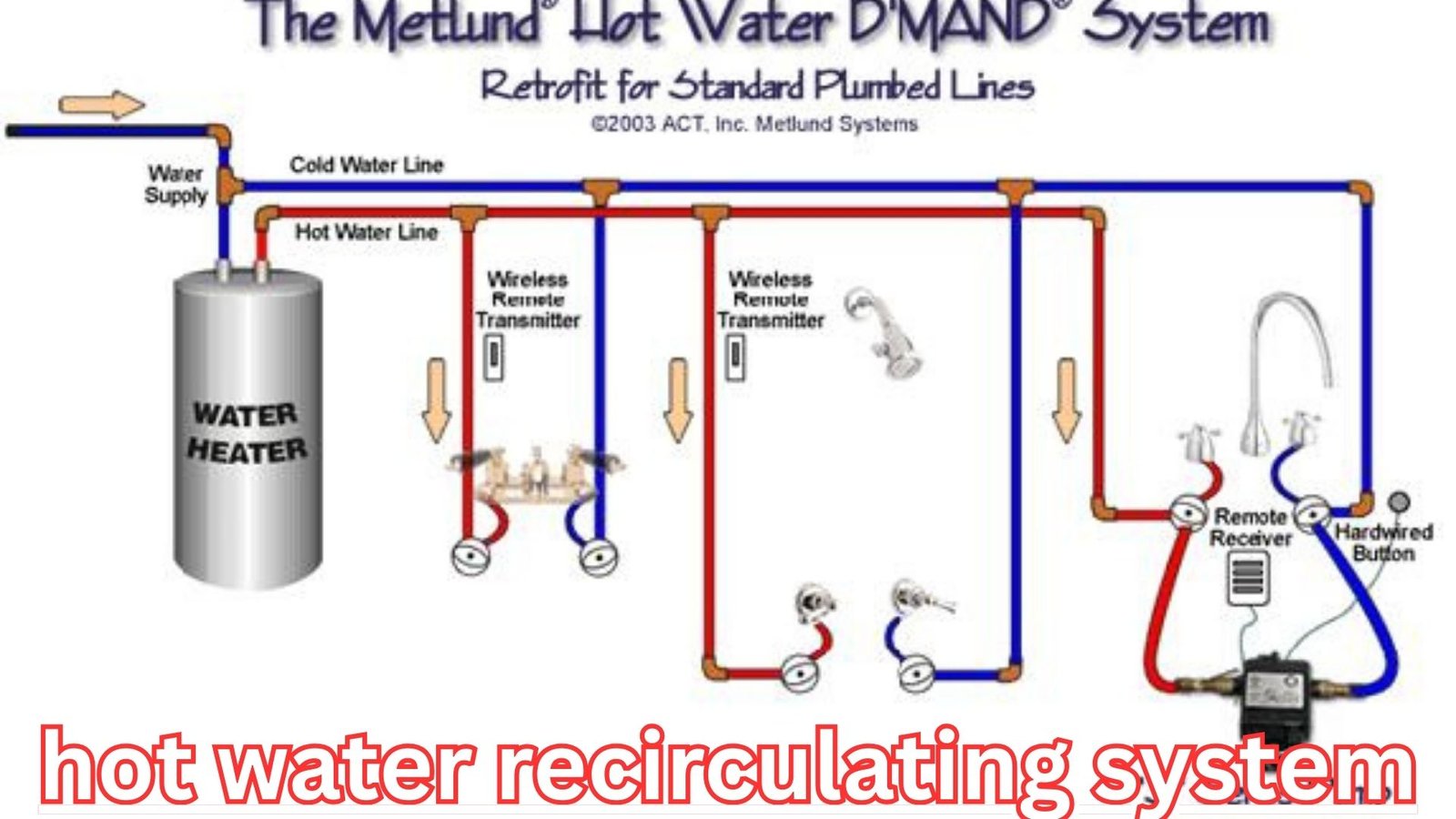
A hot water recirculating system is designed to deliver hot water to faucets and showers almost instantly, eliminating the frustrating wait that often occurs in many homes. Instead of letting cold water run down the drain while waiting for hot water to arrive, this system continuously circulates warm water through the pipes. The result is faster access to hot water, improved household convenience, and reduced water waste. For homeowners seeking efficiency, comfort, and long-term savings, this modern plumbing upgrade has become increasingly popular.
Understanding How Instant Hot Water Circulation Works
Traditional plumbing systems send heated water from the water heater through pipes toward faucets and appliances. When a tap is turned off, the remaining hot water in the pipes gradually cools. The next time the faucet is used, that cooled water must be flushed out before hot water reaches the fixture.
A circulating setup solves this problem by moving warm water through the pipes in a continuous loop. A small pump pushes heated water through the supply line and returns unused water back to the heater. Because warm water is already present in the pipes, faucets can deliver hot water almost immediately.
This process significantly improves efficiency in larger homes where the distance between the water heater and fixtures is long. Instead of wasting gallons of water during each wait period, the system keeps the water temperature stable within the plumbing network.
Benefits of Installing a Hot Water Recirculating System
Installing a hot water recirculating system offers several advantages that go beyond simple convenience. Many homeowners choose this technology because it improves everyday living while also reducing environmental impact.
One of the most noticeable benefits is instant access to hot water. When someone turns on a shower or sink, the heated water arrives quickly without long delays. This feature becomes particularly valuable during busy mornings when multiple people need hot water at the same time.
Water conservation is another major advantage. In a typical home, several gallons of water may run down the drain while waiting for hot water to arrive. By maintaining a steady circulation of warm water, this waste is dramatically reduced. Over time, this can lower both water bills and the overall environmental footprint of the household.
Energy efficiency also plays an important role. While the system uses a small pump, many modern designs incorporate timers or smart sensors that operate only when needed. This prevents unnecessary energy consumption while still delivering the comfort of quick hot water delivery.
Additionally, plumbing systems benefit from consistent temperature distribution. Pipes experience fewer extreme temperature changes, which may contribute to longer system lifespan and improved reliability.
Different Types of Circulating Plumbing Systems
Not all recirculation systems function in exactly the same way. Several configurations exist, each designed to suit different plumbing layouts and home sizes.
Dedicated return line systems are common in newly built homes. In this design, a separate pipe carries unused hot water back to the heater, forming a closed loop. Because the plumbing is designed specifically for circulation, this type tends to deliver the most consistent performance.
Another option is a retrofit configuration designed for existing homes. Instead of installing a separate return pipe, the system uses the cold-water line as the return path. A small valve beneath the sink redirects cooled hot water back to the heater through the cold line until the temperature stabilizes.
Demand-based systems represent a more energy-focused alternative. Rather than circulating water continuously, these setups activate only when a user presses a button, triggers a motion sensor, or uses a smartphone control. The pump runs briefly to bring hot water to the fixture, then shuts off automatically.
Each design offers different benefits depending on the household’s plumbing layout and efficiency goals.
Key Components That Make the System Work
A typical hot water circulation setup includes several essential parts that work together to maintain steady water movement.
The circulation pump acts as the heart of the system. This compact device moves heated water through the pipes at a controlled rate. Most modern pumps are designed to operate quietly while using minimal electricity.
Check valves help ensure that water flows in the correct direction. These valves prevent backflow and keep the circulation loop functioning properly.
Thermostatic controls monitor the temperature within the plumbing lines. When water temperature drops below a certain level, the system activates to restore the desired warmth.
Timers and smart controls are increasingly common features. Homeowners can program the pump to run during high-usage hours such as early morning and evening. Some smart models even learn usage patterns and adjust operation automatically.
Together, these components maintain an efficient flow of heated water while minimizing energy consumption.
The Real Impact on Water Conservation
Water conservation is one of the strongest arguments for installing a hot water recirculating system in residential properties. In many homes, waiting for hot water can waste several gallons each time a faucet is turned on.
Over weeks and months, this waste adds up to hundreds or even thousands of gallons of clean water. By keeping warm water circulating through the pipes, the system reduces the amount of water that must be flushed before reaching the desired temperature.
This conservation benefit becomes especially important in regions facing water shortages or rising utility costs. Reducing unnecessary water use not only saves money but also supports responsible resource management.
Many municipalities even encourage water-saving technologies, making recirculation systems an attractive long-term investment for environmentally conscious homeowners.

Installation Considerations for Homeowners
Before installing a hot water recirculating system, several factors should be considered to ensure the best results.
The size and layout of the home significantly influence the type of system required. Larger homes with distant bathrooms often benefit most from dedicated return line designs. Smaller homes may achieve similar comfort using retrofit options that require less plumbing modification.
Water heater compatibility is another important detail. Both tank-style heaters and tankless units can support recirculation, though installation requirements may vary slightly.
Professional installation is usually recommended because proper pipe routing and pump placement ensure optimal performance. A qualified plumber can also determine the best control method, whether timer-based, temperature-activated, or demand-driven.
When installed correctly, the system integrates seamlessly into the existing plumbing network and requires minimal ongoing attention.
Maintenance and Long-Term Performance
Like any mechanical system, regular maintenance helps ensure reliable performance over time. Fortunately, recirculation systems generally require very little upkeep.
The circulation pump should be inspected periodically to ensure it operates smoothly and quietly. Most pumps are designed for long service life and rarely require replacement unless used heavily for many years.
Valves and thermostatic controls should also be checked occasionally to confirm proper temperature regulation. Simple inspections during routine plumbing maintenance are usually sufficient.
Homeowners may also benefit from adjusting timers or smart controls as household routines change. Optimizing operation schedules ensures that the pump runs only when hot water demand is highest.
With proper care, the system can deliver dependable performance for many years while maintaining efficiency and convenience.
Why This Technology Is Becoming More Popular
Modern households place increasing value on comfort, efficiency, and sustainability. Plumbing systems that once focused solely on delivering water are now expected to reduce waste and improve daily convenience.
A hot water recirculating system fits perfectly into this shift toward smarter home infrastructure. By combining rapid hot water delivery with improved resource management, the technology addresses both lifestyle and environmental priorities.
Home builders are increasingly incorporating recirculation loops into new construction projects. At the same time, retrofit solutions allow older homes to benefit from similar advantages without major renovations.
As awareness grows about water conservation and energy efficiency, demand for these systems continues to expand. Many homeowners now view them as a practical upgrade rather than a luxury feature.
Conclusion
A hot water recirculating system offers a practical solution to one of the most common frustrations in residential plumbing: waiting for hot water. By keeping warm water circulating through the pipes, the system provides near-instant access at sinks, showers, and appliances.
Beyond convenience, the technology reduces water waste, improves efficiency, and supports environmentally responsible living. With several system types available, homeowners can choose an option that fits their plumbing layout and energy goals.
For households looking to modernize their plumbing while improving daily comfort, a hot water recirculating system represents a reliable and forward-thinking upgrade that delivers lasting value.
Also Read: How to Copy Link: A Powerful and Easy Guide for Everyone