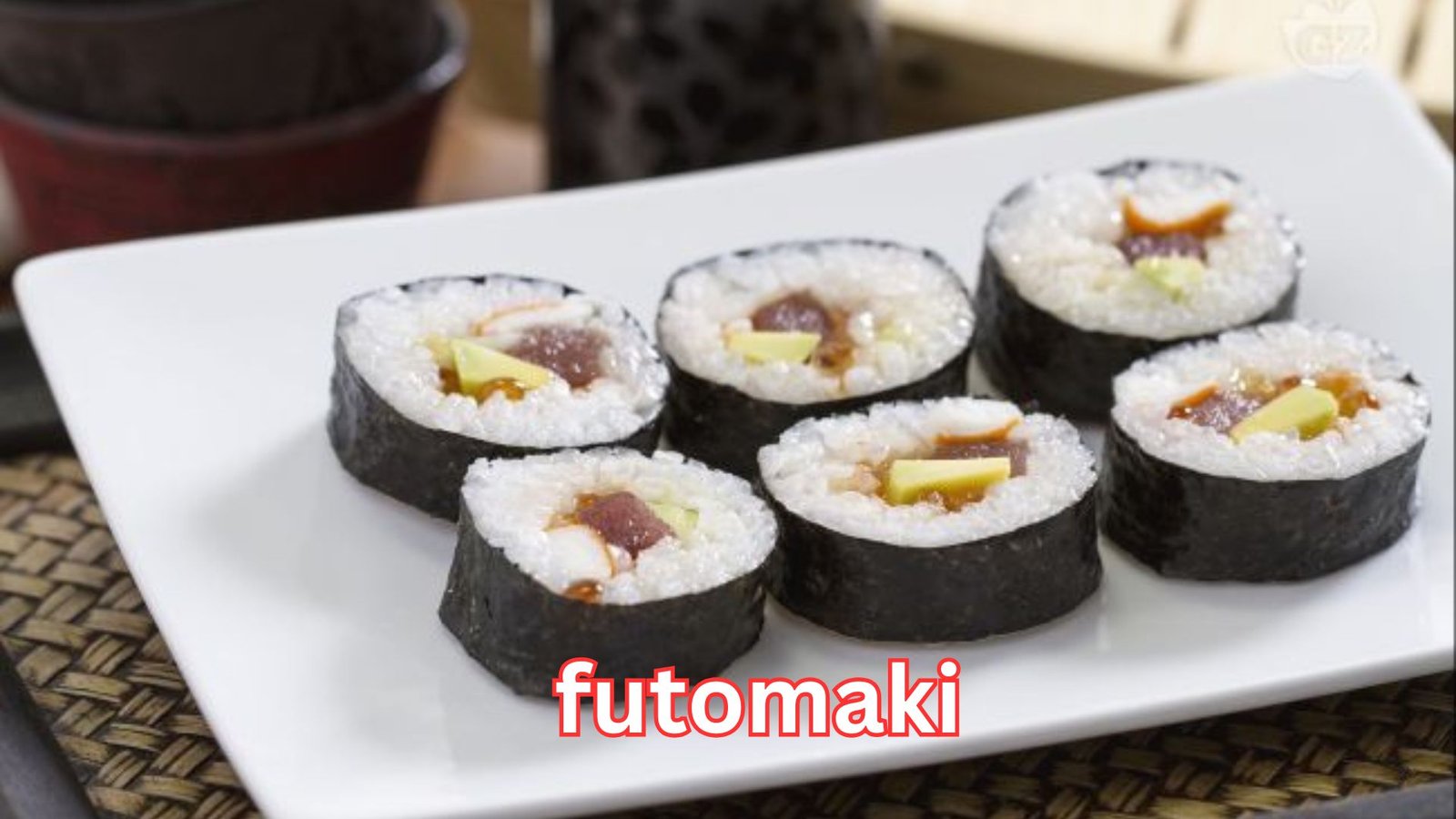
Futomaki is a vibrant and satisfying style of Japanese sushi known for its thick seaweed wrap and generous combination of flavorful fillings. Loved for its beautiful presentation and balanced taste, this traditional rolled sushi offers more than just visual appeal. From its cultural roots in Japan to its growing popularity worldwide, this hearty sushi roll has become a favorite choice for both beginners and seasoned sushi lovers seeking something bold yet comforting.
The Cultural Roots of Thick Sushi Rolls
Japanese cuisine is deeply connected to seasonal traditions, and large rolled sushi has long played a role in celebratory meals. The word itself translates to “fat roll,” reflecting its noticeably thicker size compared to slimmer sushi rolls. Unlike minimalist varieties that focus on a single ingredient, this style embraces abundance, often combining vegetables, seafood, and egg to create layers of taste and texture.
In Japan, it is commonly enjoyed during festivals and special occasions. One well-known tradition is Setsubun, where people eat an entire uncut roll facing a lucky direction to invite prosperity for the coming year. This custom highlights how food in Japanese culture carries symbolic meaning beyond flavor alone.
What Makes Futomaki So Special?
The defining feature of futomaki is its generous size and harmonious blend of ingredients. Wrapped in nori and rolled with seasoned rice, it typically includes a colorful mix such as tamagoyaki (sweet rolled omelet), cucumber, shiitake mushrooms, pickled vegetables, and sometimes seafood like crab or shrimp.
The result is a bite that delivers multiple textures at once—soft rice, crisp vegetables, savory egg, and umami-rich fillings. Because of its thickness, every slice showcases a beautiful cross-section pattern, making it visually striking when served on a plate.
While many sushi rolls are designed for quick bites, this roll feels more substantial and satisfying. Its balanced combination of flavors makes it approachable even for those new to Japanese cuisine.
Traditional Ingredients and Flavor Balance
Authentic preparations emphasize balance rather than intensity. The seasoned rice provides gentle sweetness and tang, while the fillings add savory depth. Tamago introduces softness and subtle sweetness, cucumber adds freshness, and simmered mushrooms contribute a rich umami profile.
Seafood variations may include cooked eel or crab sticks, but vegetarian versions remain just as popular. The goal is harmony. No single ingredient should overpower the others.
The seaweed wrap plays an essential role as well. High-quality nori offers a slightly briny taste that complements the rice and fillings without becoming chewy or overpowering.
How Futomaki Differs from Other Sushi Rolls
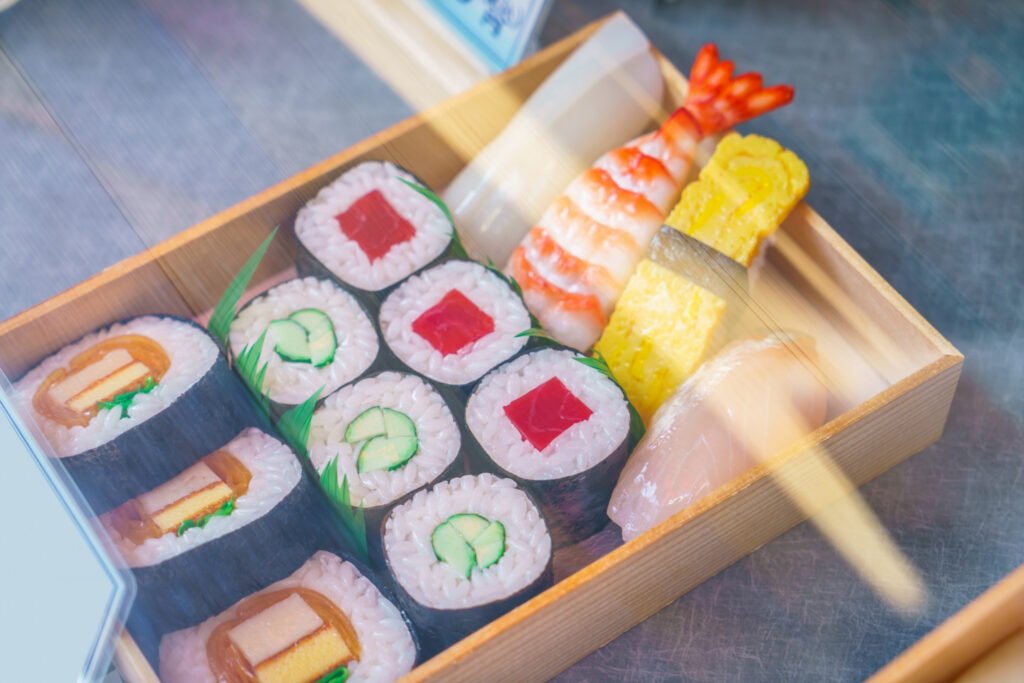
Many people confuse thick sushi rolls with other popular varieties. However, there are clear distinctions between them.
Hosomaki, for example, is thinner and usually contains only one primary filling. Uramaki, often referred to as inside-out rolls, feature rice on the outside rather than seaweed. Specialty rolls in Western sushi restaurants sometimes include spicy sauces, tempura crunch, or creative toppings.
In contrast, futomaki sticks closely to traditional Japanese preparation. It focuses on a wholesome combination of classic ingredients wrapped in seaweed on the outside. The simplicity of presentation and authenticity of flavor set it apart from more modern, fusion-inspired rolls.
The Art of Rolling Perfect Futomaki
Creating a thick sushi roll requires attention to detail. Because it contains multiple fillings, proper layering is crucial. Too much rice can cause bursting, while too little may result in a loose structure.
Chefs carefully spread seasoned rice evenly across the nori, leaving space at the edge for sealing. Ingredients are arranged in the center in a neat line to ensure even distribution. Using a bamboo mat, the roll is shaped firmly but gently to maintain structure without crushing the fillings.
Knife skills also matter. Each slice should be clean and symmetrical, revealing the colorful interior. Dipping the knife in water between cuts prevents sticking and keeps the presentation sharp.
Futomaki in Modern Cuisine
Although rooted in tradition, futomaki has evolved in modern kitchens around the world. Contemporary chefs experiment with creative ingredients such as avocado, grilled vegetables, smoked salmon, and even plant-based proteins. While purists may prefer classic recipes, innovation has helped introduce this sushi style to broader audiences.
In Western countries, sushi culture has expanded significantly. Restaurants often feature thick rolls as a centerpiece on sharing platters. Their larger size makes them ideal for group dining and visually appealing for social media presentation.
Despite modern twists, the essence remains the same: a generous roll that celebrates variety and balance.
Health Benefits and Nutritional Value
Sushi rolls made in the traditional style can be a nutritious choice. They often contain fresh vegetables, moderate amounts of rice, and lean protein sources. Seaweed is rich in minerals, including iodine and antioxidants. The inclusion of mushrooms and cucumber adds fiber and vitamins.
Because the fillings are typically cooked or vegetable-based, they are accessible for people who prefer not to consume raw fish. Portion control is important, as rice contributes carbohydrates, but when enjoyed mindfully, this roll fits well into a balanced diet.
Choosing high-quality ingredients enhances both taste and nutritional value. Fresh produce and properly prepared rice make a noticeable difference in overall satisfaction.
Serving and Pairing Suggestions
Presentation plays a major role in the enjoyment of Japanese cuisine. Thick rolls are usually sliced into bite-sized rounds and arranged neatly on a platter. They pair well with soy sauce, pickled ginger, and a small amount of wasabi.
Green tea complements the subtle flavors beautifully, while miso soup adds warmth to the meal. For those who enjoy beverages, light sake can enhance the savory elements without overpowering the delicate balance of the roll.
Whether served at a celebration or enjoyed casually at home, thoughtful presentation elevates the experience.

Why Futomaki Continues to Grow in Popularity
Global interest in Japanese food has surged over the past two decades. As more people explore authentic culinary traditions, dishes like futomaki stand out for their visual beauty and comforting taste.
Its appeal lies in versatility. It suits vegetarians and seafood lovers alike. It works as an appetizer, main dish, or festive centerpiece. It feels traditional yet adaptable to modern preferences.
Social media has also played a role. The colorful cross-section of a thick sushi roll photographs exceptionally well, attracting attention online. However, its lasting popularity goes beyond aesthetics. The balanced flavor profile and satisfying texture keep people coming back.
Tips for Enjoying Futomaki at Home
If you want to try making futomaki yourself, begin with high-quality short-grain rice and learn proper seasoning techniques. Allow the rice to cool to room temperature before rolling to maintain texture. Prepare fillings in advance so assembly becomes smooth and organized.
Patience is key. The first attempt may not look perfect, but practice improves technique. Over time, rolling becomes easier and more intuitive.
For those who prefer ordering from a restaurant, look for establishments that emphasize traditional preparation. Freshness and balance should be noticeable in both flavor and appearance.
Conclusion
Futomaki represents more than just a thick sushi roll; it embodies harmony, tradition, and craftsmanship within Japanese cuisine. Its combination of colorful ingredients, satisfying texture, and cultural significance makes it a timeless favorite. Whether enjoyed during a seasonal celebration or as part of a casual meal, this iconic roll continues to impress with its balance and versatility.
Also Read: Coin Trade 1000: The Ultimate Profitable Strategy for Smart Crypto Investors