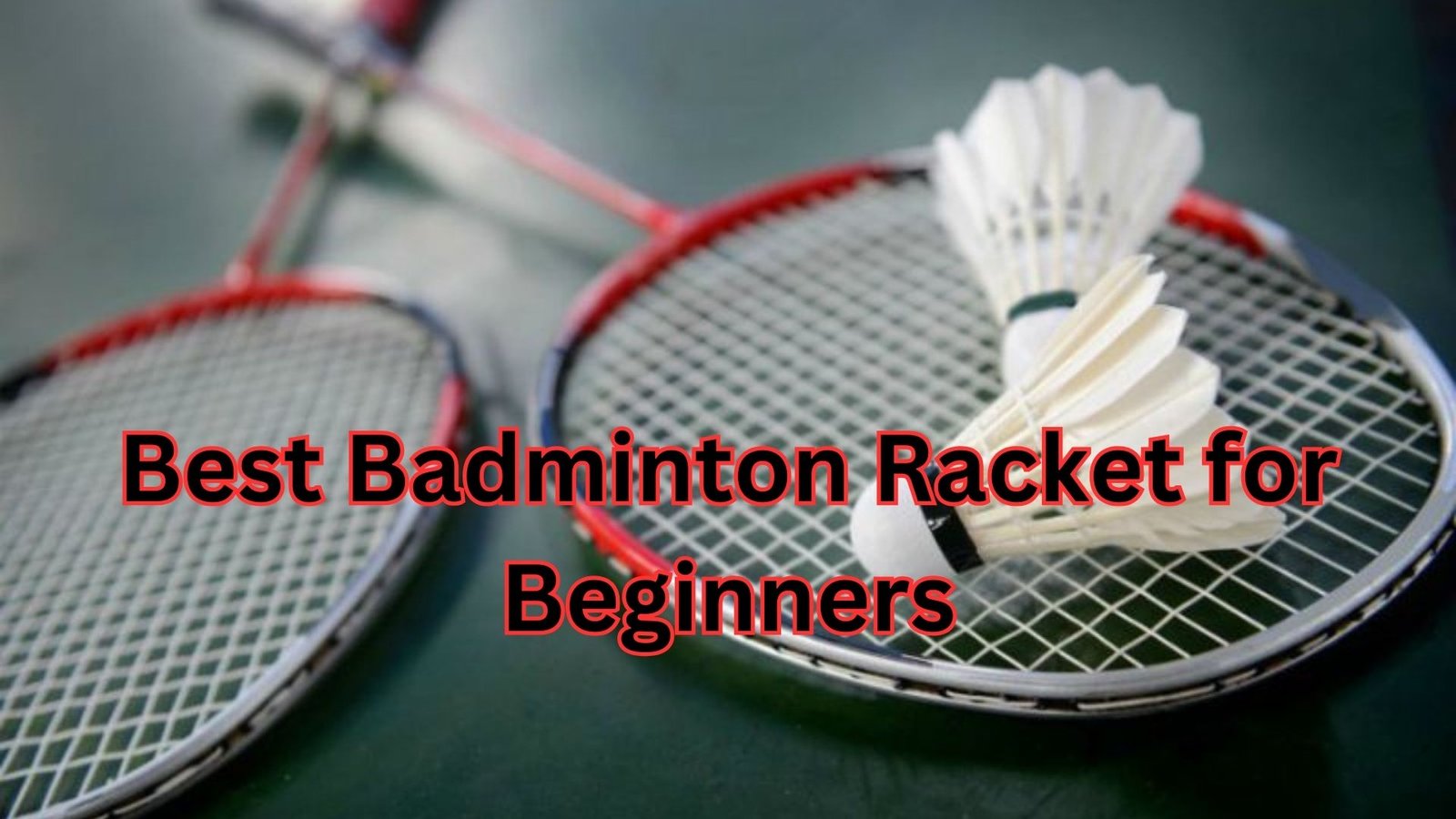
Choosing the best badminton racket for beginners can feel confusing at first, especially when the market is filled with professional-level gear, technical terms, and price variations. New players often struggle to understand what actually matters at the starting stage and what can safely be ignored. The right racket is not about copying what professionals use, but about finding something that supports learning, comfort, and steady improvement without causing fatigue or injury.
Badminton is a fast-paced sport that demands coordination, timing, and control. At the beginner level, equipment should simplify the learning process rather than complicate it. A thoughtfully selected racket can improve confidence, help develop correct technique, and make the game more enjoyable from day one.
Understanding Beginner Needs in Badminton
Every new badminton player shares a similar learning curve. Early sessions focus on grip, footwork, swing control, and basic shot placement. At this stage, strength and wrist speed are still developing, which means a racket designed for advanced power play may do more harm than good.
Beginners benefit most from rackets that offer forgiveness. This means a slightly larger sweet spot, balanced weight distribution, and flexible shaft behavior that absorbs shock. These features reduce strain on the arm and help players return shots even when timing is not perfect. Comfort and control matter far more than raw power in the early months.
Best Badminton Racket for Beginners: What Truly Matters
When selecting the best badminton racket for beginners, it is important to focus on characteristics that directly support learning. A lightweight frame allows smoother swings and faster reaction times, which is essential for developing consistency. Excessively heavy rackets can slow movement and increase the risk of wrist or elbow discomfort.
Balance is another critical factor. Even-balanced or slightly head-light rackets help beginners maintain control during rallies and improve defensive shots. These rackets feel easier to maneuver and reduce the effort needed for clears and net play. Flexibility also plays a key role, as a flexible shaft provides extra repulsion, helping beginners generate distance without excessive force.
Weight and Balance Explained Simply
Badminton rackets come in different weight categories, but beginners should generally avoid extremes. Ultra-light rackets may feel unstable, while heavier ones can be tiring. A moderate weight range offers stability without sacrificing speed. This balance helps new players focus on technique instead of fighting against their equipment.
The balance point determines how the racket feels during movement. Head-heavy rackets emphasize power, while head-light ones prioritize speed and control. For beginners, a neutral balance supports all-around play and encourages proper form. As skills improve, players can later switch to rackets that match their playing style.
Grip Size and Comfort for New Players
Grip comfort is often overlooked, yet it has a direct impact on performance and injury prevention. A grip that is too small can cause over-gripping, while a grip that is too large limits wrist movement. Beginners should choose a grip size that feels natural and secure in hand.
Proper grip size helps maintain relaxed swings and better control. Many players adjust grip thickness using overgrips, which is a practical solution for fine-tuning comfort. A comfortable grip encourages longer practice sessions without strain, which is essential for steady improvement.
Materials and Durability Considerations
Modern badminton rackets are usually made from aluminum, graphite, or composite materials. Beginners should prioritize durability over advanced material technology. Graphite or composite rackets offer a good balance between strength and flexibility while remaining affordable.
Durable frames are especially important for new players who may accidentally clash rackets or hit the floor during practice. A sturdy build ensures the racket lasts longer and maintains performance over time. Investing in reliable materials prevents frequent replacements and builds trust in the equipment.
String Tension and Beginner-Friendly Performance
String tension has a noticeable impact on how a racket feels during play. High tension provides precision but demands advanced technique, which beginners have not yet developed. Lower to moderate string tension offers better shuttle hold and forgiveness.
For new players, softer string beds reduce shock and make it easier to generate length in shots. This setup supports confidence and consistency, allowing beginners to focus on learning proper strokes rather than compensating for harsh feedback.

Popular Brands That Support Beginners
Many well-known badminton brands design rackets specifically for entry-level players. These models are created with comfort, balance, and ease of use in mind. Established brands also maintain consistent quality control, which ensures that beginners receive reliable performance.
Choosing a reputable brand often means better frame stability, improved grip quality, and more forgiving designs. While brand name alone should not be the only deciding factor, it does provide reassurance, especially for players who are new to the sport.
How the Right Racket Improves Learning Speed
Using the best badminton racket for beginners can noticeably improve learning speed by reducing unnecessary physical strain. When equipment works with the player rather than against them, skill development feels smoother and more natural. Beginners can practice longer, make fewer errors, and enjoy the game more fully.
A supportive racket encourages correct technique, which is crucial during the early stages. Poor equipment choices may lead to bad habits that are difficult to correct later. Starting with the right racket lays a strong foundation for future growth.
Common Mistakes Beginners Should Avoid
Many new players make the mistake of choosing rackets based on professional endorsements or appearance. What works for advanced athletes often requires refined technique and physical conditioning. Beginners should avoid overly stiff shafts, high string tension, and extreme balance points.
Another common error is overspending on features that do not yet provide value. Skill development matters far more than premium technology at this stage. Practical choices focused on comfort and control always deliver better long-term results.
Transitioning as Skills Improve
As beginners gain experience, their playing style becomes clearer. Some players naturally lean toward aggressive attacking play, while others prefer control and defense. The initial racket should support overall learning, but it does not have to be a lifelong choice.
Once technique, strength, and confidence improve, players can explore rackets with specific performance traits. Starting with the best badminton racket for beginners ensures that this transition happens smoothly and without setbacks.
Final Thoughts on Choosing the Right Racket
Selecting the best badminton racket for beginners is less about chasing power and more about building confidence, comfort, and consistency. A beginner-friendly racket supports learning, reduces injury risk, and makes every practice session more enjoyable. With the right balance, weight, grip, and flexibility, new players can focus on improving their skills instead of struggling with unsuitable equipment.
Also Read: Crackle TV The Powerful Free Streaming Platform You’ll Love