Bad idea nashville is a phrase that has recently sparked curiosity across social media and travel forums, leaving many wondering whether it refers to a risky night out, a controversial business concept, or simply the misunderstood charm of Music City. While the wording may sound negative, the reality behind it is far more layered. In a city known for neon lights, live country music, and booming tourism, bold ideas often walk a thin line between brilliance and backlash. Understanding where this reputation comes from requires a deeper look at Nashville’s nightlife culture, entrepreneurial spirit, and evolving identity.
The Culture of Bold Concepts in Music City
Nashville has never been afraid of risk. From its early days as the heart of country music to its modern evolution as a cultural and business hotspot, the city thrives on innovation. Broadway’s glowing signs, rooftop bars, and live bands performing until late hours reflect a high-energy atmosphere that can feel overwhelming to first-time visitors.
What some might label a questionable decision is often simply part of the city’s experimental vibe. Entrepreneurs frequently test daring themes, unconventional menus, and immersive entertainment experiences. In many cities, these risks might fail quietly. In Nashville, they become part of the conversation.
The phrase circulating online tends to exaggerate this boldness. Yet behind the dramatic wording lies a city comfortable with trial, error, and reinvention.
How Nightlife Fuels the Conversation
Downtown Nashville’s nightlife scene is one of the busiest in the United States. Tourists arrive expecting unforgettable weekends filled with music, dancing, and celebration. Bachelorette parties, pedal taverns, and crowded honky-tonks dominate the landscape.
When expectations run high, opinions follow. Some visitors embrace the energy, while others feel the chaos is excessive. Viral posts sometimes label certain experiences as a “mistake” or “overrated,” contributing to the dramatic narrative surrounding bad idea nashville. However, nightlife satisfaction is highly subjective.
What feels overwhelming to one traveler may feel electric to another. The city’s appeal lies precisely in its unapologetic vibrancy.
Entrepreneurship and Risk-Taking
Nashville’s business environment encourages bold moves. Restaurateurs, bar owners, and entertainment companies compete in a fast-growing market. Standing out requires creativity and sometimes controversy.
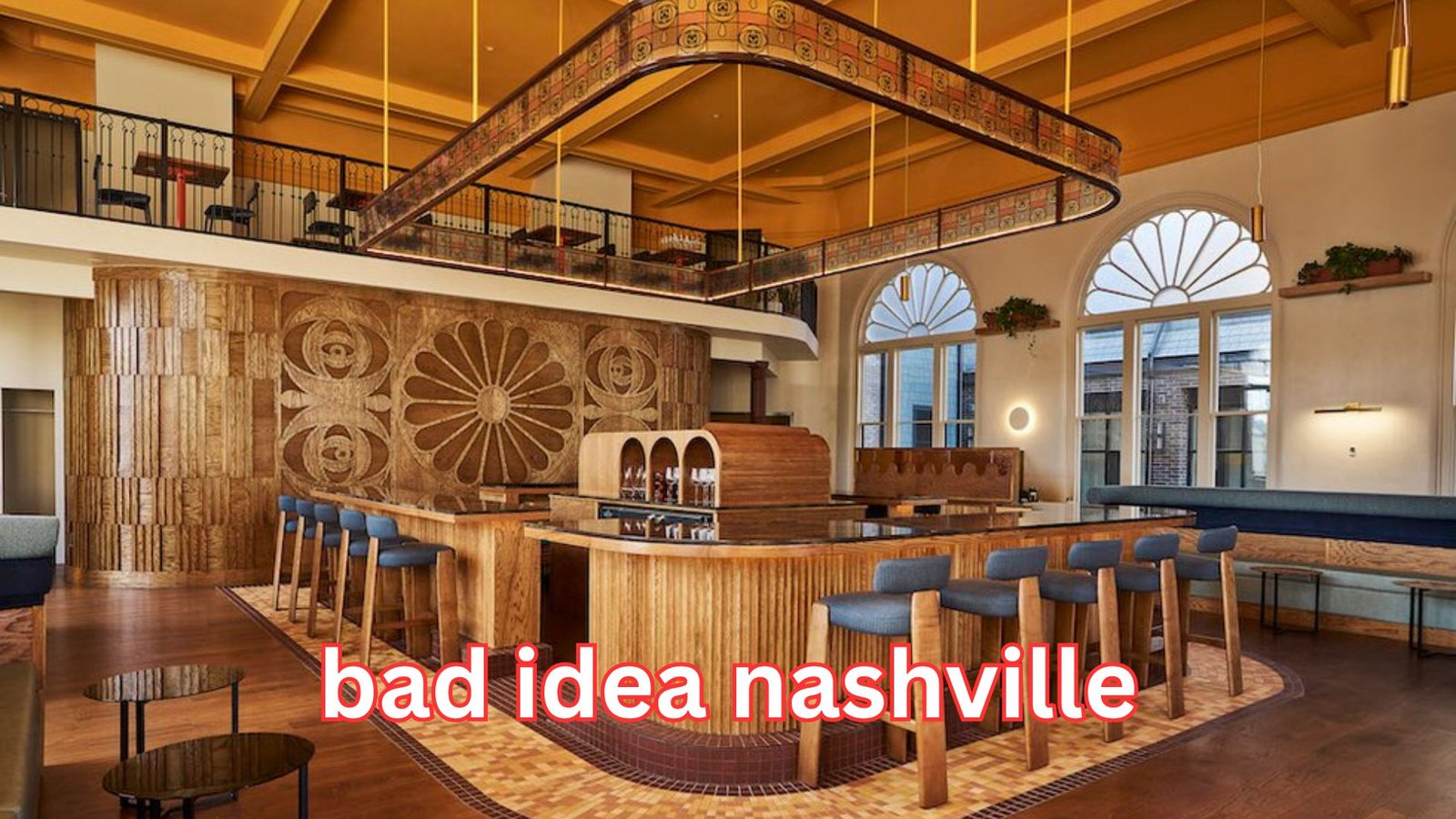
Concept-driven venues have become common. Whether it’s a themed cocktail lounge, a live-music restaurant hybrid, or a rooftop experience with immersive décor, new openings aim to generate buzz quickly. Not every concept resonates with everyone, but the willingness to innovate keeps the city dynamic.
In this context, bad idea nashville can also represent the natural skepticism that greets ambitious projects. Big ideas often attract criticism before they prove themselves.
Social Media Amplification
Modern city reputations are shaped online as much as offline. TikTok videos, Instagram reels, and travel vlogs amplify both praise and complaints. A single viral clip can influence public perception overnight.
Catchy phrases spread quickly. The wording itself is provocative, which makes it shareable. But online exaggeration rarely captures nuance. A crowded Saturday night clip may not reflect a relaxed weekday experience. A dramatic review might overlook dozens of satisfied visitors.
Understanding this dynamic helps decode how certain narratives gain traction even when reality is more balanced.
Tourism Boom and Growing Pains
Nashville’s rapid growth has transformed the city over the past decade. New residents arrive for job opportunities in healthcare, tech, and entertainment. Tourists continue to increase annually, drawn by the promise of authentic live music and Southern hospitality.
Growth brings challenges. Traffic congestion, rising prices, and crowded districts can frustrate locals. When longtime residents voice concerns, outsiders sometimes interpret that criticism as proof of a flawed destination. In reality, most growing cities face similar adjustments.
The conversation around bad idea nashville often blends tourism critiques with broader urban development concerns. These are separate issues, yet they frequently merge in public debate.
Why “Bad” Can Mean Brilliant
History shows that ideas initially labeled reckless sometimes redefine entire industries. Nashville’s identity itself was built on creative risk. Country music was once considered niche. Today, it is a global force.
Similarly, nightlife concepts that seem excessive can become iconic. Visitors often seek experiences that feel larger than life. What seems over-the-top can become part of the city’s brand.
Perception evolves. Yesterday’s “too much” becomes tomorrow’s must-see attraction.

Bad Idea Nashville and the Psychology of Expectation
When people travel, they carry expectations shaped by marketing, movies, and online stories. If reality differs—even slightly—disappointment can follow.
The phrase bad idea nashville often surfaces when expectations clash with experience. Someone expecting quiet Southern charm may find themselves in a booming party district. Someone seeking nonstop celebration might visit during a slow season.
Expectation management plays a powerful role in how destinations are judged. Clear research and realistic planning can dramatically improve satisfaction.
The Balance Between Local Identity and Visitor Appeal
As Nashville grows, it must balance authenticity with tourism demand. Locals value community, heritage, and musical roots. Visitors often prioritize entertainment and convenience.
Tension arises when either side feels overlooked. Some residents worry about commercialization. Some tourists expect constant spectacle. The city’s leadership and business community continuously navigate this balance.
Rather than a definitive verdict, the phrase trending online reflects ongoing negotiation between tradition and transformation.
Media Narratives and Headline Culture
Modern headlines are designed to capture attention. Strong language increases clicks. Describing something as disastrous or outrageous attracts more engagement than calling it moderate.
In that environment, dramatic phrases spread faster than balanced commentary. This does not mean the city deserves a negative label. It simply reflects how digital storytelling works.
Context matters. A catchy headline rarely tells the whole story.
Economic Impact of Bold Branding
Controversial or provocative branding can actually drive interest. Curiosity leads to exploration. People may visit precisely because they want to see whether the hype is justified.
Nashville’s economy benefits from attention, even when that attention includes debate. Hotels, restaurants, music venues, and transportation services all gain from visitor traffic.
From a marketing standpoint, conversation—positive or critical—keeps the city visible in competitive tourism markets.
Community Response and Adaptation
Local businesses pay attention to feedback. Reviews, comments, and visitor reactions influence adjustments. Menus evolve. Security increases where needed. Event scheduling adapts to crowd patterns.
This responsiveness shows that criticism, even when exaggerated, can inspire improvement. Cities are living systems. They grow through dialogue between residents, entrepreneurs, and guests.
Labeling something as a bad idea nashville moment may spark necessary conversation rather than signal failure.
Understanding the Visitor Experience
To fairly evaluate the city, context is essential. A weekend during peak festival season differs dramatically from a weekday visit in early spring. Neighborhood selection also shapes impressions. Broadway offers intensity, while other districts provide quieter cultural experiences.
Exploring beyond the main tourist corridor often reveals art galleries, coffee shops, and live music venues with a more relaxed vibe. Nashville contains multitudes, and focusing on a single snapshot rarely captures its complexity.
Travelers who diversify their itinerary often leave with a more balanced perspective.
The Role of Music and Heritage
At its core, Nashville remains rooted in music history. Recording studios, songwriting sessions, and live performances continue to define the local identity. While nightlife grabs headlines, the creative heartbeat of the city runs deeper.
Musicians from across the country relocate here to pursue careers. Songwriters collaborate daily. Industry professionals shape trends that influence global entertainment.
Reducing the city to a viral phrase overlooks this cultural foundation.
Is the Reputation Deserved?
Evaluating whether the dramatic label fits depends largely on personal preference. Some will always find bustling entertainment districts excessive. Others will see them as exhilarating.
What matters is recognizing nuance. Rapid growth, bold entrepreneurship, and high-energy tourism naturally generate mixed opinions. That does not automatically equate to failure.
Instead, it reflects a city evolving in real time.
Final Thoughts on a Viral Phrase
Bad idea nashville may sound like a warning, but it more accurately represents the tension between ambition and expectation. Nashville thrives because it dares to experiment. Not every concept resonates with every visitor, yet the willingness to innovate keeps the city culturally and economically vibrant.
In the end, Music City’s bold personality is part of its appeal. Those who arrive prepared for energy, creativity, and occasional unpredictability often leave impressed. Like any fast-growing destination, Nashville contains contrasts. Its reputation is shaped as much by storytelling as by reality.
Also Read: Rad Intel Stock: Powerful Growth Potential or Risky Market Warning?