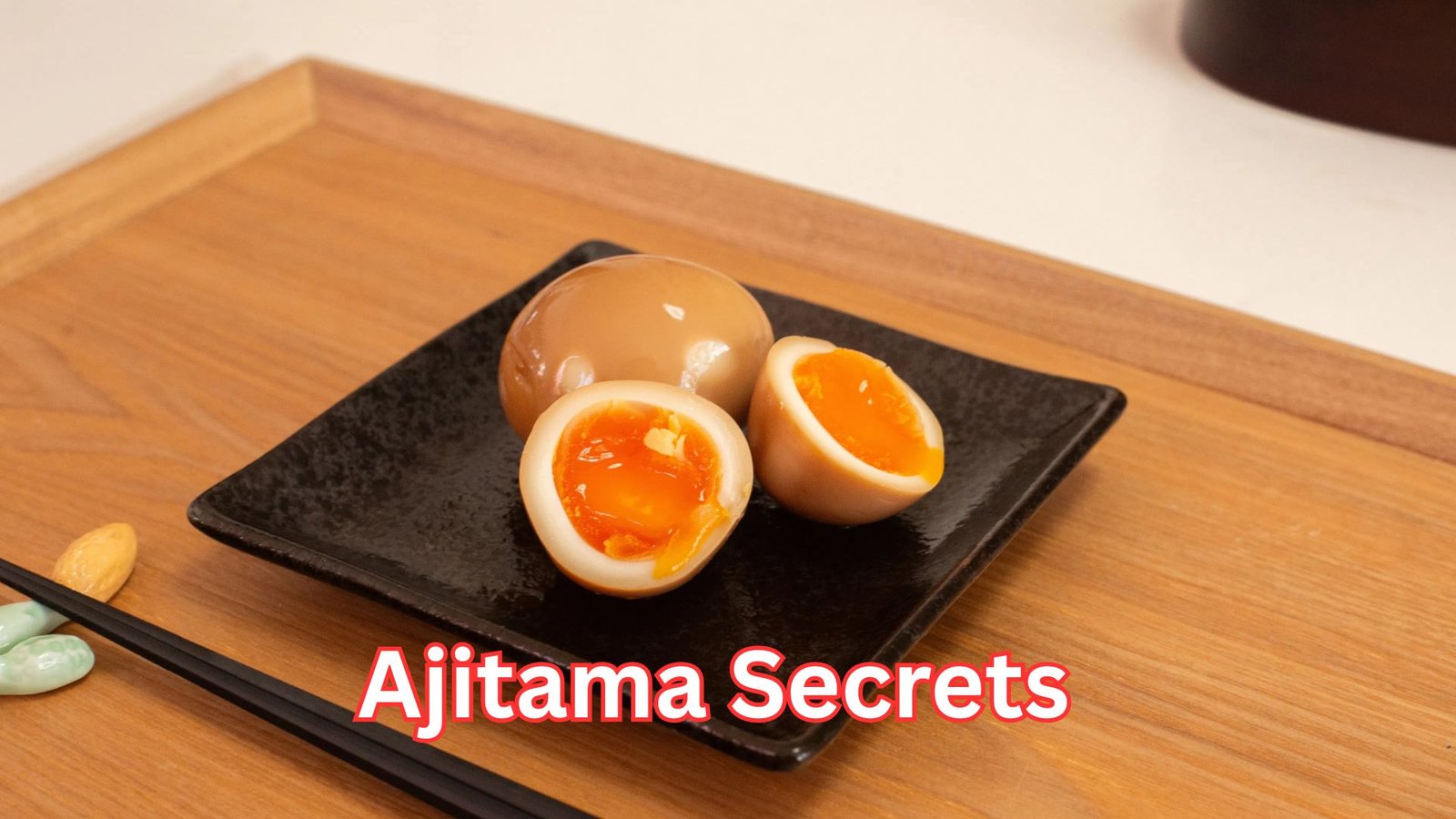
Ajitama is one of those simple yet deeply satisfying foods that quietly elevates an entire dish. Known for its rich yolk, glossy surface, and umami-packed flavor, this Japanese-style marinated egg has become a favorite among ramen lovers and home cooks alike. In the first bite, you experience a balance of savory depth and gentle sweetness that feels comforting and indulgent at the same time. This article explores the origins, preparation philosophy, cultural significance, and modern appeal of this beloved egg, while keeping a natural, reader-friendly flow that works beautifully for long-term SEO performance. Discover the Ajitama Secrets that enhance this culinary delight.
The cultural roots of marinated eggs in Japanese cuisine
Japanese cuisine has always emphasized balance, simplicity, and respect for ingredients. Eggs, despite being humble, hold an important place in everyday meals. From tamago sushi to rolled omelets, they are treated with care and intention. The marinated soft-boiled egg emerged from this tradition as a way to add richness and protein to noodle dishes without overpowering the broth.
Ramen culture played a major role in popularizing this preparation. As ramen evolved from street food into a culinary art form, toppings became just as important as the noodles and soup. Chefs sought elements that added texture, flavor contrast, and visual appeal. A perfectly cooked marinated egg met all of those needs, offering a creamy center that blended seamlessly with hot broth.
Over time, this egg moved beyond ramen shops and into home kitchens, cookbooks, and international food culture. What was once a specialty topping became a symbol of comfort food done right.
What makes this egg preparation so special
The appeal of this dish lies in its contrast. The whites are firm yet tender, while the yolk remains jammy and rich. This texture difference creates a luxurious mouthfeel that few simple foods can match. The marinade, typically made with soy sauce, mirin, and sometimes sake or sugar, penetrates the egg gently, seasoning it without masking its natural flavor.
Unlike hard-boiled eggs, which can feel dry or chalky, this preparation keeps moisture at the center. The yolk acts almost like a sauce, coating noodles or rice when cut open. This quality is why it has become such a popular addition to bowls, bento boxes, and even modern fusion dishes.
Another key factor is restraint. The goal is not to overpower the egg but to enhance it. When done well, the seasoning feels integrated, not layered on top.

Ajitama and the art of perfect timing
Ajitama preparation philosophy
Ajitama requires precision more than complexity. The most critical step is cooking the egg for the right amount of time. A few seconds too long can turn the yolk from creamy to crumbly, while too short can leave it undercooked. This attention to timing reflects a broader Japanese cooking philosophy where mastery comes from repetition and respect for process.
The marination period is equally important. Leaving the eggs in the seasoning too long can make them overly salty and dark, while a shorter soak preserves balance. Many cooks aim for a window that allows flavor to develop gradually, resulting in an egg that tastes seasoned all the way through without losing its delicate character.
This balance is what separates an average marinated egg from a memorable one.
How this egg fits into modern food culture
In recent years, food photography and social media have helped spread the popularity of visually striking dishes. The glossy surface and golden center of this egg make it especially photogenic. When sliced in half and placed on noodles, it instantly elevates the presentation.
Beyond aesthetics, there is also a growing appreciation for foods that feel artisanal yet approachable. Home cooks enjoy recreating restaurant-quality elements without needing advanced techniques. This egg fits perfectly into that trend because it uses basic ingredients but rewards care and patience.
Restaurants outside Japan have embraced it as well, often adapting the seasoning slightly to suit local tastes. Some versions lean sweeter, while others emphasize deeper umami notes. Despite these variations, the core idea remains the same.
Flavor pairing and serving versatility
One reason this egg has endured is its versatility. While most people associate it with ramen, it pairs just as well with rice bowls, salads, and even sandwiches. The savory richness complements grains, vegetables, and meats without competing for attention.
In minimalist meals, it can act as the main protein. In more elaborate dishes, it serves as a supporting element that ties flavors together. Because the seasoning is gentle, it adapts easily to different cuisines and cooking styles.
This adaptability makes it especially appealing for people who like to meal prep or experiment with fusion recipes.
Ajitama as a comfort food symbol
Ajitama is more than just an ingredient; it represents a feeling. Warm bowls of noodles topped with a perfectly cooked egg often evoke memories of late nights, rainy days, or quiet meals enjoyed alone. Comfort food does not have to be heavy or indulgent to feel satisfying. Sometimes, it simply needs to be thoughtful.
The softness of the yolk and the subtle sweetness of the marinade create a sense of calm familiarity. This emotional connection is one reason why people go out of their way to perfect this preparation at home.
Food that carries meaning tends to endure, and this egg has earned its place in that category.
Nutritional perspective and mindful enjoyment
Eggs are naturally rich in protein, healthy fats, and essential nutrients. When prepared with moderation in mind, this dish can fit well into a balanced diet. The marinade adds flavor without the need for heavy sauces or frying, making it a lighter option compared to many toppings.
Mindful portioning and pairing it with vegetables or whole grains can turn a simple meal into a nourishing one. This aligns with modern eating habits that prioritize both taste and wellness.
Rather than being an indulgence, it becomes an example of how thoughtful preparation can make nutritious food exciting.
Ajitama in home cooking traditions
Ajitama has found a permanent place in many home kitchens because it feels rewarding to make. The process encourages cooks to slow down, pay attention, and appreciate small details. Achieving the ideal texture brings a sense of accomplishment that goes beyond the dish itself.
Families often adapt the seasoning to suit their preferences, passing down slight variations over time. In this way, the recipe becomes personal, reflecting individual tastes while still honoring its roots.
This blend of tradition and creativity is what keeps it relevant across generations.
Global appreciation and future appeal
As Japanese cuisine continues to influence global food trends, this marinated egg remains a standout example of how simple techniques can have universal appeal. Chefs and food enthusiasts around the world continue to reinterpret it, incorporating local ingredients or pairing it with unexpected dishes.
Despite these innovations, the essence remains unchanged. The focus stays on balance, texture, and respect for the ingredient. That consistency ensures it will not fade as a passing trend but remain a staple for years to come.
Conclusion: why this egg continues to inspire
Ajitama endures because it embodies everything people love about good food. It is simple yet refined, comforting yet elegant, and deeply flavorful without being excessive. From its cultural roots to its modern adaptations, it tells a story of patience, balance, and care.
Also Read: bcz Powerful Positive Impact on Modern Banking in Zimbabwe