Local volunteering opportunities are no longer just about giving time—they’ve become one of the most powerful ways to build purpose, connections, and real-world skills in 2026. Yet many people still struggle to find meaningful roles that actually match their passions. This guide uncovers what truly works, what most platforms won’t tell you, and how to turn simple community service into a life-changing experience.
Why Volunteering Feels Different in 2026
Something Has Changed. Volunteering today is not what it was five years ago. Organizations have evolved, digital tools have transformed how people connect, and expectations from volunteers are higher than ever.
Many People Feel Lost When Starting. One of the biggest frustrations is not knowing where to begin. Some sign up for random roles and quickly lose interest because the work feels disconnected from their goals.
The Truth Most Don’t Realize. Volunteering is no longer about “helping anywhere.” It’s about aligning your personal mission with causes that truly matter to you. When that alignment happens, the experience becomes addictive—in a positive way.
Real Example. A student in Canada joined a local environmental cleanup group thinking it would just be a weekend activity. Within months, he became a community leader, gained public speaking skills, and even landed a sustainability internship—all because he chose a cause that resonated deeply.
The Hidden Pain Points People Face
People Want Meaning, Not Just Tasks. Many volunteers quit because they are given repetitive or unclear roles. They want impact, not just instructions.
Time Constraints Create Pressure. Students, freelancers, and professionals often worry about balancing volunteering with their busy schedules.
Lack Of Recognition. Some feel their contributions go unnoticed, which leads to frustration.
Fear Of Wasting Effort. Choosing the wrong opportunity can make people feel like their time was not valuable.
The Real Desire Behind It All. People want growth, connection, and purpose. They want to feel that their effort creates real change.
Local Volunteering Opportunities That Actually Matter
Not All Opportunities Are Equal. The key is choosing roles that offer both impact and personal development.
Community Development Projects. These include working with local shelters, food distribution programs, and neighborhood initiatives. They offer direct interaction with people and visible results.
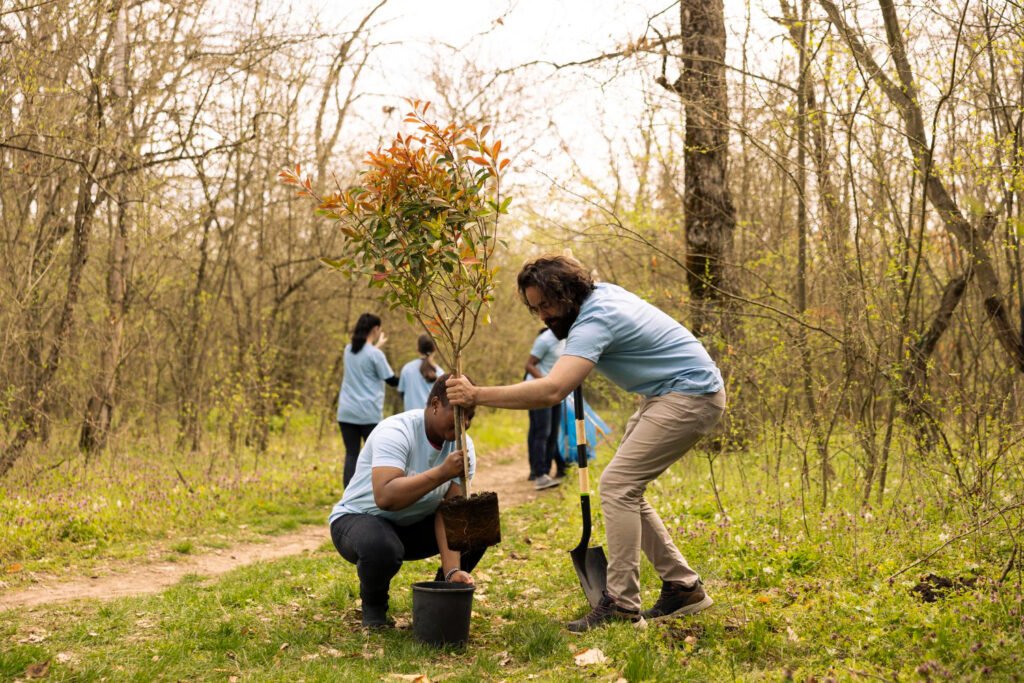
Environmental Initiatives. From tree planting to climate awareness campaigns, these roles are gaining popularity worldwide. They also align with global sustainability goals.
Skill-Based Volunteering. This is where your personal expertise comes in. Whether it’s graphic design, coding, teaching, or marketing, organizations are actively looking for skilled volunteers.
Virtual Volunteering Is Rising. In 2026, remote volunteering is booming. You can contribute to global causes from your home, making it easier than ever to get involved.
The Secret Strategy To Find The Right Fit
Start With Your Passion. Instead of searching randomly, identify what you genuinely care about. Is it education, environment, or social justice?
Research Deeply. Look beyond basic listings. Visit organization websites, read their mission, and understand their impact.
Test Before Committing. Try short-term roles first. This helps you avoid long-term commitments that don’t suit you.
Ask The Right Questions. Before joining, ask about responsibilities, time commitment, and growth opportunities.
Real Story Insight. A graphic designer in the US struggled to find meaningful work until she offered her skills to a nonprofit. Within a year, she built a strong portfolio and secured high-paying freelance clients—all through volunteering.
What Makes A Volunteering Experience Truly Powerful
Clear Impact. You should be able to see how your work contributes to a bigger goal.
Learning Opportunities. The best roles teach you new skills or improve existing ones.
Community Connection. Strong relationships make the experience enjoyable and long-lasting.
Flexibility. Modern volunteering allows you to balance work, studies, and personal life.
Recognition And Growth. Whether it’s certificates, recommendations, or leadership roles, growth matters.
How To Avoid Common Mistakes
Don’t Choose Based On Convenience Alone. Easy roles are not always meaningful.
Avoid Overcommitting. Taking too many responsibilities can lead to burnout.
Don’t Ignore Your Interests. If you’re not passionate, you won’t stay consistent.
Stay Away From Poorly Organized Groups. Lack of structure often leads to frustration.

The Real Benefits Nobody Talks About
Career Acceleration. Many professionals have landed jobs through connections made while volunteering.
Confidence Boost. Working with diverse groups improves communication and leadership skills.
Mental Well-Being. Helping others creates a sense of fulfillment and reduces stress.
Global Perspective. Even local work can expose you to different cultures and viewpoints.
Proof Through Data. Studies from global volunteer organizations show that people who volunteer regularly report higher life satisfaction and better career outcomes.
How Students And Beginners Can Start Smart
Start Small. Begin with a few hours per week instead of jumping into full commitments.
Focus On Learning. Choose roles that teach valuable skills.
Track Your Work. Maintain a record of your contributions for future opportunities.
Network Actively. Build relationships with team members and organizers.
Real-Life Example. A university student joined a literacy program for children. Over time, she developed teaching skills, gained confidence, and eventually pursued a career in education.
The Role Of Technology In Volunteering
Digital Platforms Make It Easier. Websites and apps now connect volunteers with organizations instantly.
AI-Based Matching. Some platforms suggest roles based on your skills and interests.
Online Training Programs. Volunteers can now prepare themselves before starting.
Global Collaboration. You can work with teams from different countries without leaving your home.
The Future Of Volunteering
More Personalized Experiences. Organizations are focusing on matching volunteers with roles that fit their goals.
Hybrid Models Are Growing. Combining online and offline volunteering is becoming common.
Skill Recognition Will Increase. Certifications and verified experience will carry more weight in job markets.
Youth Participation Is Rising. Younger generations are more aware and eager to contribute.
How To Turn Volunteering Into A Life-Changing Journey
Think Long-Term. Don’t treat it as a temporary activity.
Set Personal Goals. Decide what you want to achieve—skills, connections, or impact.
Take Initiative. Go beyond assigned tasks and bring your own ideas.
Document Your Journey. Share your experiences through blogs or social media.
Build A Personal Brand. Consistent volunteering can position you as a leader in your chosen field.
A Unique Perspective Most People Ignore
Volunteering Is Not Just Giving—It’s Investing. When done right, it becomes an investment in your future. The skills, connections, and experiences you gain often outweigh the time you spend.
The Emotional Shift. People who volunteer regularly often describe a change in mindset. They become more empathetic, focused, and motivated.
The Hidden Opportunity. Many organizations look for long-term contributors. This creates chances for leadership roles that are rarely advertised.
Strong Conclusion
Local volunteering opportunities are more powerful than most people realize. They are not just about helping others—they are about transforming your own life. When you choose the right path, align it with your passion, and stay consistent, the results can be extraordinary.
In 2026, The Real Winners Are Those Who Take Action. While others keep searching for purpose, those who step into meaningful roles create it for themselves. The journey may start small, but the impact can be massive.
FAQS
What Are Local Volunteering Opportunities And Why Are They Important?
Local volunteering opportunities are community-based roles where individuals contribute their time and skills to support social causes. They are important because they create real impact while helping volunteers grow personally and professionally.
How Can I Find The Right Volunteering Role For Me?
Start by identifying your interests and skills. Research organizations that align with your values, and try short-term roles before committing long-term.
Can Volunteering Help In Career Growth?
Yes, volunteering can significantly boost your career. It helps you build skills, gain experience, and create valuable connections that can lead to job opportunities.
How Much Time Should I Dedicate To Volunteering?
It depends on your schedule. Even a few hours per week can make a difference. The key is consistency rather than the number of hours.
Is Virtual Volunteering As Effective As Physical Volunteering?
Virtual volunteering can be just as impactful, especially for skill-based roles. It also offers flexibility and global exposure.
What Skills Can I Gain From Volunteering?
You can develop communication, leadership, teamwork, problem-solving, and technical skills depending on the role you choose.
Do Volunteers Get Recognized For Their Work?
Many organizations provide certificates, recommendations, and even leadership opportunities to dedicated volunteers.
Is Volunteering Suitable For Students?
Yes, it is highly beneficial for students. It helps them gain experience, build confidence, and explore career paths.
What Is The Biggest Mistake People Make When Volunteering?
Choosing roles without considering their interests or goals is the most common mistake. This often leads to dissatisfaction and quitting early.
How Can I Make My Volunteering Experience More Impactful?
Focus on roles that align with your passion, stay consistent, take initiative, and build strong relationships within the organization.
Also Read: klmanga Shocking Truth 2026: Hidden Secrets Every Manga Reader Must Know