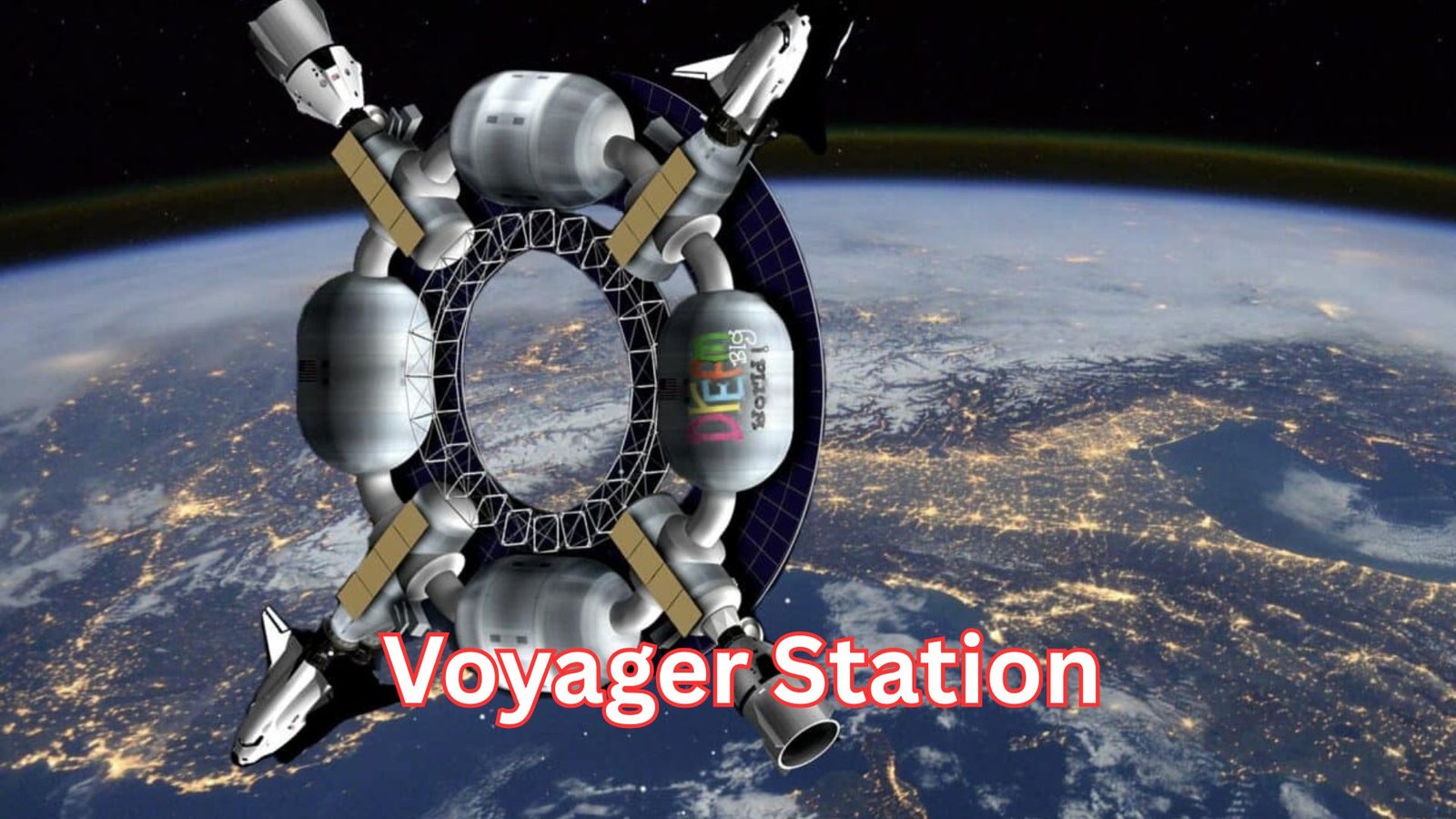
Voyager station is no longer just a futuristic idea—it represents a bold leap toward commercial space travel and orbital living, capturing global attention as one of the most ambitious projects shaping the future of tourism beyond Earth.
The Vision Behind Orbital Living
Human curiosity has always pushed boundaries, and the idea of living in space is no exception. The concept of an orbiting hotel has evolved from science fiction into a serious engineering mission backed by private space companies. This revolutionary structure aims to create a rotating habitat in low Earth orbit, designed to simulate gravity while offering a luxury experience unmatched on Earth.
Travel enthusiasts are no longer satisfied with traditional destinations. They seek uniqueness, exclusivity, and unforgettable moments. This growing demand has fueled investment into space tourism, where orbital accommodations promise a completely new way to experience the universe.
What Makes Voyager Station So Unique
Unlike earlier space concepts, this project introduces artificial gravity through rotation. This means visitors won’t have to float constantly, making the experience more comfortable and accessible for non-astronauts.
The design resembles a massive wheel spinning slowly in space. Guests can walk, sleep, and dine much like they would on Earth, but with the extraordinary backdrop of our planet visible through large panoramic windows. This combination of comfort and awe creates an emotional pull that few travel experiences can match.
A real-world comparison helps here. Traditional luxury resorts like those in the Maldives offer ocean views and exclusivity. However, orbital hotels elevate that idea—imagine replacing ocean horizons with the curvature of Earth itself. The emotional impact is far greater, and that’s what makes this concept so powerful.
Voyager Station and the Rise of Space Tourism
Voyager station plays a central role in the emerging space tourism industry, which is expected to grow significantly by 2026. Companies like SpaceX and Blue Origin have already demonstrated that civilian space travel is possible. This project builds on that foundation by offering extended stays instead of short flights.
Travel is evolving. Earlier, flying across continents was considered extraordinary. Now, space travel is slowly entering the same trajectory. The shift reflects changing user desires—people want experiences that feel rare, exclusive, and socially impressive.
One real example is how suborbital flights gained massive media attention despite lasting only minutes. Now imagine staying in orbit for days or weeks. The value proposition increases dramatically, both emotionally and socially.
The Experience Inside the Station
Life inside the station is designed to balance luxury and practicality. Guests can expect private suites, restaurants, recreational areas, and even wellness facilities. The aim is not just survival in space but comfort and enjoyment.
Artificial gravity allows activities like walking, exercising, and dining without the challenges of weightlessness. At the same time, certain sections may still offer zero-gravity experiences for those seeking adventure.
This dual experience addresses a major user pain point: fear of discomfort. Many people are fascinated by space but worried about the physical challenges. By providing both comfort and controlled adventure, the station removes that barrier.
Why People Are So Attracted to This Concept
The appeal goes beyond luxury. It taps into deep human emotions—curiosity, status, and the desire to experience something truly unique. Travelers today often share their experiences online, and nothing compares to posting from orbit.
There is also a psychological aspect. Seeing Earth from space can create a profound sense of perspective, often described as the “overview effect.” This emotional transformation adds another layer of value to the experience.
Users often feel frustrated with repetitive travel options. Beaches, mountains, and cities start to feel similar after a while. This project directly addresses that frustration by offering something completely different.
Voyager Station: Challenges and Reality Check
Voyager station is an ambitious project, and like any groundbreaking idea, it faces challenges. Construction in space requires advanced technology, significant funding, and precise coordination. Delays are possible, and costs remain extremely high.
Another major concern is accessibility. Initially, only wealthy individuals will be able to afford such trips. However, history shows that new technologies often become more affordable over time. Air travel followed a similar path, evolving from luxury to mainstream.
Safety is also a critical factor. Space environments are harsh, and ensuring the well-being of guests is a top priority. Continuous testing and innovation are necessary to meet these standards.
Real Example: How Innovation Becomes Mainstream
Looking back at aviation history provides a useful comparison. In the early 20th century, flying was dangerous, expensive, and limited to a few. Today, millions of people travel by air daily.
The same pattern could apply to space tourism. What starts as an exclusive experience could eventually become accessible to a broader audience. This long-term potential is what makes the concept so exciting for investors and travelers alike.
Updated Developments in 2026
As of 2026, progress in private space infrastructure continues to accelerate. Advances in reusable rockets, improved life-support systems, and international collaborations are bringing orbital habitats closer to reality.
Companies are actively testing modules, refining designs, and planning future launches. While timelines may shift, the direction is clear—space tourism is moving forward, not backward.
Public interest has also increased significantly. More people are searching for information, following updates, and imagining themselves as future space travelers. This growing demand strengthens the project’s viability.

Understanding User Intent and Expectations
People searching for this topic usually have specific intentions. Some are curious about future travel opportunities, while others are interested in investment potential or technological advancements.
Their main desires include experiencing something unique, understanding how it works, and knowing when it will become accessible. At the same time, they worry about safety, cost, and practicality.
Addressing these concerns directly builds trust and keeps readers engaged. Providing clear, realistic insights helps them make informed decisions and stay interested in future developments.
Comparison With Traditional Luxury Travel
Traditional luxury travel focuses on comfort, service, and exclusivity. High-end resorts offer private villas, personalized experiences, and stunning views. However, they are still limited by Earth’s environment.
Orbital travel takes exclusivity to a completely different level. It offers not just luxury but also rarity and emotional impact. While a five-star resort may impress, staying in orbit creates a story that stands out globally.
This difference is crucial for modern travelers who value uniqueness over repetition. The shift reflects a deeper change in how people define luxury.
The Economic and Cultural Impact
The development of orbital habitats could create new industries, job opportunities, and technological advancements. It may also inspire future generations to pursue careers in science and engineering.
Culturally, it changes how humans view travel and exploration. Space becomes not just a destination for astronauts but a place for ordinary people to experience.
This shift could redefine global tourism and open new possibilities that were once unimaginable.
The Future Outlook
Voyager station represents more than just a travel destination. It symbolizes human progress and the desire to explore beyond limits. While challenges remain, the momentum behind space tourism continues to grow.
As technology advances and costs decrease, more people may have the opportunity to experience life in orbit. This gradual transition could reshape the travel industry in ways we are only beginning to understand.
Conclusion
Voyager station stands at the intersection of innovation, ambition, and human curiosity. It offers a glimpse into a future where space is not just explored but experienced. While the journey toward making it accessible to everyone is still ongoing, the impact it promises is undeniable. For those seeking the next level of travel, this concept represents the ultimate frontier.
FAQS
What Is Voyager Station And Why Is It Important?
Voyager station is a planned space hotel designed to orbit Earth, offering a unique blend of luxury and innovation. It is important because it represents a major step toward making space tourism accessible to civilians.
How Does Artificial Gravity Work In Space Hotels?
Artificial gravity is created by rotating the structure, which generates a force similar to gravity. This allows guests to walk and move comfortably instead of floating.
When Will Space Hotels Become Available To The Public?
While exact timelines may vary, ongoing developments suggest that initial versions could become operational within the next decade, with gradual expansion over time.
How Much Will It Cost To Stay In Orbit?
Early estimates suggest that prices will be extremely high, making it accessible mainly to wealthy travelers at first. However, costs may decrease as technology advances.
Is It Safe To Stay In A Space Hotel?
Safety is a top priority. Engineers are developing advanced systems to protect guests from space hazards, though continuous testing is required to ensure reliability.
Also Read: Lustmap24 Shocking Truth Revealed: Is It Worth Your Time in 2026?