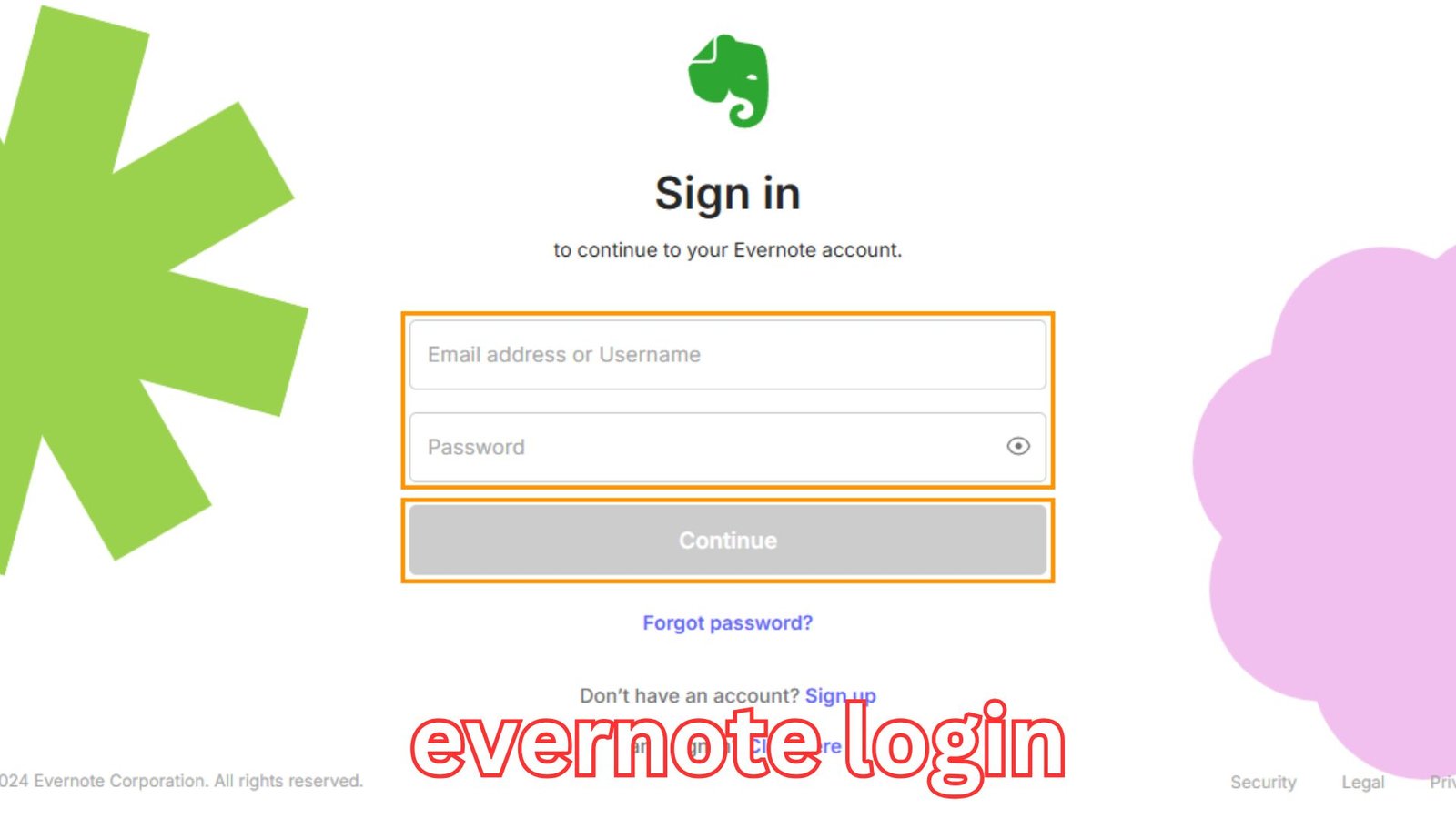
Evernote login is the first step to accessing one of the most widely used note-taking and productivity platforms available today. Whether you rely on the service for organizing research, managing daily tasks, storing documents, or collaborating with a team, logging into your account quickly and securely ensures uninterrupted productivity. With multiple devices, cloud syncing, and several authentication options, understanding how the login process works can help users avoid common issues and maintain smooth access to their notes.
Evernote has evolved from a simple digital notebook into a complete productivity ecosystem. Millions of users depend on it to capture ideas, save web content, track projects, and organize information across devices. Because so much personal or professional information can be stored inside an account, secure access and proper account management are essential. Understanding the login system helps users stay connected to their data without compromising security.
Understanding Evernote and How Account Access Works
Evernote is a cloud-based application designed to help users capture and organize information in one place. Notes can include text, images, PDFs, web clippings, checklists, and attachments. Everything is stored in the cloud and synchronized across devices including desktops, laptops, tablets, and smartphones.
Account access relies on a centralized authentication system. When a user signs into their account, the system verifies credentials and synchronizes data with the cloud servers. Once authenticated, users can access notebooks, notes, and saved documents instantly.
The platform allows several sign-in methods to improve convenience. A user can log in with an email address and password, use a Google account, or authenticate through Apple depending on the device being used. These options reduce friction while still maintaining a secure environment.
Many people also rely on automatic session storage within mobile apps. This means once someone signs in on their phone or tablet, they typically remain signed in unless they log out or reinstall the application. On shared computers, however, logging out after use is recommended to protect sensitive information.
Evernote Login: Step-by-Step Access Guide
The evernote login process is designed to be straightforward and accessible across platforms. Whether accessing the service from a browser or the official application, the steps remain similar.
Users begin by opening the Evernote website or launching the desktop or mobile app. The sign-in option appears on the home screen, prompting the user to enter their registered email address or select a third-party login method such as Google or Apple.
After entering the email address, the system requests the account password. If two-step verification is enabled, an additional code is sent to the user’s device or authentication app. Once the code is verified, the account dashboard loads and synchronizes the latest notes.
For many users, this entire process takes only a few seconds. The simplicity of the authentication system is part of what makes the platform accessible for students, professionals, researchers, and teams.
Another advantage of the sign-in system is cross-platform continuity. Someone who logs in on a desktop computer can immediately see notes created on a mobile device. All changes are automatically synced through the cloud.
Common Sign-In Issues and How to Fix Them
Even with a reliable authentication system, users occasionally encounter access problems. Most issues are minor and can be resolved quickly by checking a few settings.
One common issue occurs when users forget their password. In this situation, the password reset option can be used. The system sends a secure link to the registered email address, allowing the user to create a new password and restore account access.
Another problem happens when incorrect credentials are entered multiple times. Security systems may temporarily block access to protect the account from unauthorized attempts. Waiting a few minutes before trying again usually resolves the issue.
Network connectivity can also interfere with authentication. Since the platform relies on cloud synchronization, a weak or unstable internet connection may prevent successful sign-in. Ensuring a stable connection often solves the problem.
Sometimes browser extensions or outdated app versions can interfere with account access. Updating the application or clearing browser cache helps restore normal functionality.
Users who frequently access their account from multiple devices may also notice occasional verification prompts. These are normal security measures designed to protect stored information.

Security Features That Protect Your Account
Security is a key part of the authentication system, especially since users often store sensitive information in their digital notebooks. Several protective features help keep accounts safe from unauthorized access.
Two-factor authentication is one of the most effective protections available. When enabled, it requires a verification code in addition to the account password. Even if someone learns the password, they cannot access the account without the second verification step.
Password strength also plays an important role. Using a combination of letters, numbers, and special characters makes accounts significantly harder to compromise. Many experts recommend avoiding simple or reused passwords across multiple services.
The platform also monitors unusual activity. If the system detects sign-ins from unfamiliar locations or devices, it may request additional verification or temporarily block access until the user confirms the attempt.
Another helpful feature is session management. Users can review and revoke active sessions from different devices, ensuring that old or forgotten logins no longer have access to the account.
Accessing Evernote on Different Devices
Modern productivity tools must work seamlessly across multiple devices, and Evernote was designed with this flexibility in mind. Users can sign in through several methods depending on the device they prefer.
The web version is accessible through any modern browser. This option is convenient for users who work on shared or public computers because it requires no installation. After completing the evernote login process, all notes and notebooks appear instantly in the browser interface.
Desktop applications are available for Windows and macOS. These versions provide a more integrated experience, allowing offline note editing and deeper operating system integration. Many professionals prefer the desktop version because it offers faster navigation and better multitasking.
Mobile apps for smartphones and tablets provide access on the go. With synchronization enabled, notes created on a phone appear instantly on a laptop or desktop computer. This cross-device access is particularly valuable for students, writers, and researchers who work from multiple locations.
Tablet users also benefit from handwriting support, making it possible to capture sketches or handwritten notes directly into the system.
Tips for Faster and Safer Account Access
Maintaining smooth account access often depends on a few simple habits. One useful practice is enabling password managers. These tools store login credentials securely and automatically fill them in when signing into applications or websites.
Keeping apps updated also improves reliability. Software updates often include performance improvements and security enhancements that protect accounts and improve the authentication process.
Users who rely heavily on the platform should consider enabling biometric authentication on mobile devices. Fingerprint or facial recognition allows quick access without typing credentials every time the app opens.
Another effective habit is reviewing account security settings periodically. Checking connected devices, reviewing recent sign-in activity, and updating passwords when necessary helps maintain account safety.
By following these practices, users can ensure that the evernote login process remains quick, secure, and reliable.

The Role of Cloud Synchronization in Account Access
Cloud synchronization is the technology that makes the platform so powerful. Once a user signs into their account, the system begins syncing notes between the local device and remote servers.
This process ensures that every update, edit, or newly created note is stored safely in the cloud. If a device is lost or replaced, users can simply perform an evernote login on the new device and instantly recover their entire collection of notes.
Synchronization also allows collaboration. Teams working on shared notebooks can see updates in near real time, making the platform useful for project management, brainstorming sessions, and document organization.
Because synchronization happens automatically, users rarely need to think about manual backups. The cloud infrastructure handles storage, version history, and device updates behind the scenes.
Conclusion
The evernote login system plays a crucial role in connecting users with their digital workspace. From organizing personal notes to managing complex professional projects, the ability to access information quickly and securely is essential. With flexible authentication options, strong security features, and seamless synchronization across devices, the platform ensures that users can reach their notes whenever they need them.
Understanding how account access works, knowing how to resolve common sign-in problems, and following best security practices can make the experience even smoother. As productivity tools continue to evolve, reliable authentication and cloud connectivity will remain central to keeping information organized, accessible, and protected.
Also Read: Lash Beauty Bar: The Ultimate Guide to a Stunning and Confident Look