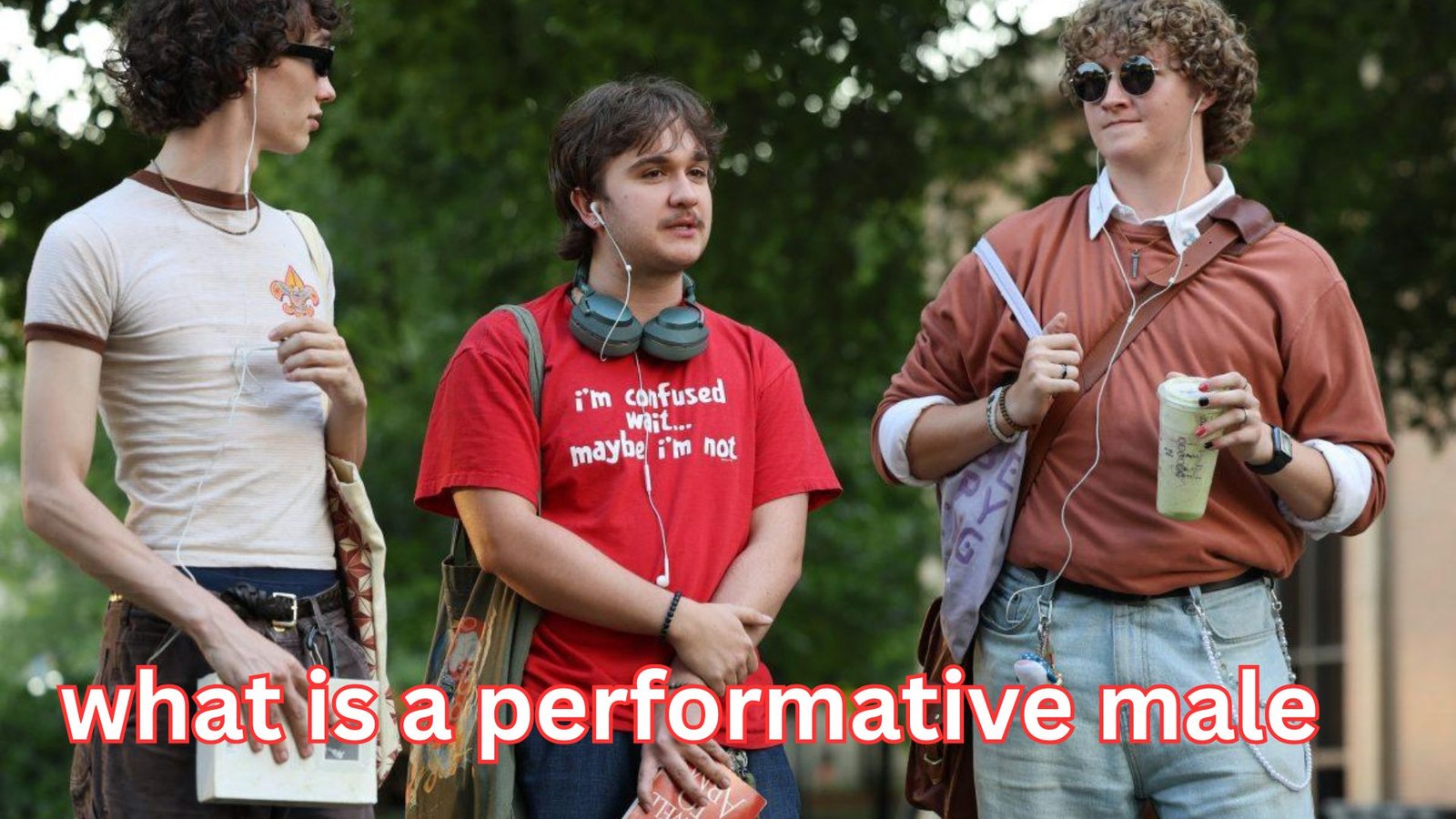
What is a performative male is a question that increasingly appears in conversations about modern masculinity, social behavior, and identity. The phrase refers to a man who expresses masculinity in a way that is designed primarily to be seen, validated, or approved by others rather than reflecting his genuine beliefs or personality. In simple terms, it describes behavior that focuses more on appearance and social signaling than authenticity. As social media, online communities, and cultural expectations continue to shape how men present themselves, understanding this concept has become important for recognizing how gender roles evolve in modern society.
Understanding What Is a Performative Male in Modern Culture
To understand what is a performative male, it helps to look at the word “performative.” In sociology and cultural studies, performative behavior refers to actions carried out to create a particular impression. When applied to masculinity, it describes situations where a man emphasizes stereotypical traits not because they reflect his genuine personality but because they help maintain a certain image.
Traditional ideas about masculinity often include strength, emotional control, competitiveness, and dominance. These traits are not inherently negative, but they can become problematic when someone feels pressured to exaggerate them in public spaces. In such cases, masculinity becomes more like a performance than a natural expression of identity.
A performative approach to masculinity is often driven by social expectations. Friends, online audiences, workplace culture, and media representation can all influence how men think they should behave. As a result, some men may adopt exaggerated behaviors that align with what they believe society expects from them.
This phenomenon is particularly visible in environments where reputation and perception matter strongly. Social platforms, competitive workplaces, and certain peer groups often reward displays of confidence, toughness, or dominance. When these displays become exaggerated and detached from authentic feelings, they begin to resemble performative masculinity.
The Social Pressure Behind Masculine Performance
Many cultural systems encourage men to display certain behaviors publicly while hiding others. Emotional vulnerability, uncertainty, or compassion may be discouraged in some communities, while confidence and assertiveness are praised.
When these pressures accumulate, individuals may begin acting according to expectations rather than personal comfort. This is where the concept behind what is a performative male becomes relevant. The behavior is not always intentional or manipulative. In many cases, it develops gradually as individuals try to fit into social groups.
From early childhood, boys are often exposed to messages about how men “should” behave. These messages can come from family members, entertainment media, educational environments, and peer interactions. Over time, these influences create a framework that shapes how masculinity is expressed.
If a person feels that deviating from this framework will lead to criticism or exclusion, they may begin performing the expected behaviors. The goal becomes maintaining approval and avoiding judgment rather than expressing authentic identity.
How Social Media Amplifies the Trend
Digital platforms have significantly amplified the visibility of masculine performance. Online environments reward attention-grabbing behavior, and exaggerated traits often attract engagement. Confidence, dominance, luxury lifestyles, or aggressive humor frequently gain more visibility than quieter or more nuanced expressions of personality.
In this context, the idea of what is a performative male becomes closely tied to digital self-presentation. Men may curate their online identity to highlight traits that align with popular ideas about masculinity. Photos, videos, and comments can become tools for reinforcing an image rather than communicating genuine experiences.
The structure of social media encourages constant comparison. People measure themselves against influencers, celebrities, and peers who showcase highly edited versions of their lives. This comparison can create pressure to maintain a similar public image.
For some individuals, this leads to exaggerated displays of toughness, wealth, confidence, or social dominance. These performances may not match their real personality, but they help maintain a certain reputation online.

Differences Between Authentic and Performative Masculinity
Authentic masculinity is not defined by strict rules or stereotypes. Instead, it allows individuals to express their personality naturally without feeling pressured to fit into a narrow mold.
A performative version of masculinity, on the other hand, focuses heavily on external perception. The individual prioritizes how others interpret their behavior rather than how they genuinely feel. This difference becomes the key factor when analyzing what is a performative male in cultural discussions.
Authentic expressions of masculinity can include strength, emotional awareness, leadership, creativity, empathy, and responsibility. These traits are flexible and can vary widely among individuals. They are not limited to a rigid set of behaviors.
Performative masculinity tends to rely on simplified stereotypes. Aggression may replace confidence, emotional suppression may replace resilience, and exaggerated dominance may replace genuine leadership. Because these traits are performed for approval, they often appear exaggerated or repetitive.
Another important difference lies in motivation. Authentic behavior is guided by personal values, while performative behavior is shaped by social expectations and audience reactions.
Cultural Shifts in Masculinity
Over the past few decades, cultural attitudes toward gender roles have evolved significantly. Many societies are increasingly recognizing that masculinity is not a fixed template but a diverse range of expressions.
As these discussions become more common, the question of what is a performative male appears more frequently in academic studies, media commentary, and everyday conversation. The concept helps explain why some behaviors feel exaggerated or artificial when compared to more natural expressions of identity.
Modern discussions about masculinity often encourage emotional openness, collaboration, and empathy. These qualities were historically undervalued in traditional masculine stereotypes. As these ideas gain acceptance, the contrast between authentic and performative behaviors becomes more noticeable.
Men who feel comfortable expressing a wider range of emotions may no longer feel pressure to maintain a rigid image. However, cultural change does not happen instantly, and many social environments still reward traditional displays of masculinity.
This tension between old expectations and evolving values contributes to the continued presence of performative behavior.

Psychological Effects of Performative Behavior
Maintaining a constant public image can create psychological stress. When individuals feel that their identity must be carefully managed to gain approval, it can lead to emotional exhaustion.
Understanding what is a performative male also involves recognizing the internal challenges associated with it. Constantly acting according to expectations can create a disconnect between public identity and private feelings.
Over time, this disconnect may lead to reduced self-awareness. Individuals may begin identifying more with the role they perform than with their genuine preferences or emotions. This can make it difficult to build authentic relationships or communicate honestly with others.
There can also be social consequences. Friends, colleagues, or partners may perceive the exaggerated behavior as insincere or overly competitive. This perception can weaken trust and reduce meaningful connections.
When authenticity is replaced by performance, communication becomes less genuine. People may interact with the persona rather than the real individual behind it.
Recognizing the Signs
Although the concept may sound complex, recognizing the patterns behind what is a performative male is often straightforward. The behavior typically involves exaggerated displays of stereotypical masculine traits in situations where they are unnecessary or unnatural.
For example, someone might emphasize toughness in conversations that require empathy or display dominance in environments that value cooperation. These reactions often appear out of place because they prioritize image over context.
Another common sign involves constant validation seeking. When public recognition becomes the main motivation for behavior, authenticity can gradually decline.
However, it is important to understand that not every display of confidence or strength is performative. Genuine self-assurance is a healthy personality trait. The difference lies in whether the behavior reflects real personality or a constructed image designed to impress others.
Moving Toward Authentic Expression
Modern discussions about masculinity increasingly encourage authenticity rather than rigid role-playing. This shift allows individuals to develop a personal identity that reflects their values rather than external expectations.
Learning what is a performative male helps people recognize when behavior is driven by pressure rather than personal belief. Awareness is often the first step toward more genuine self-expression.
Authentic masculinity does not eliminate traditionally masculine traits. Strength, ambition, confidence, and leadership remain valuable qualities. The difference is that they emerge naturally rather than being exaggerated for approval.
Encouraging emotional awareness, empathy, and open communication can also reduce the pressure to maintain a performative image. When people feel accepted for their real personality, the need for exaggerated displays decreases.
Conclusion
The concept of what is a performative male highlights the difference between genuine identity and behavior shaped primarily by social expectations. In many environments, men feel pressure to display exaggerated forms of masculinity to gain approval, maintain status, or avoid criticism. These performances may involve toughness, dominance, or confidence that is amplified beyond what feels natural.
Understanding this phenomenon provides insight into how cultural expectations influence behavior. It also reveals why some expressions of masculinity appear more like social performances than authentic traits. As conversations about gender roles continue evolving, many societies are gradually shifting toward a broader and more flexible understanding of masculinity.
Recognizing the difference between performance and authenticity allows individuals to develop identities that align more closely with their personal values. Rather than acting according to rigid stereotypes, men can express strength, empathy, creativity, and confidence in ways that reflect who they truly are.
Also Read: 2024 Nissan Leaf: Powerful and Smart Electric Car for Everyday Driving