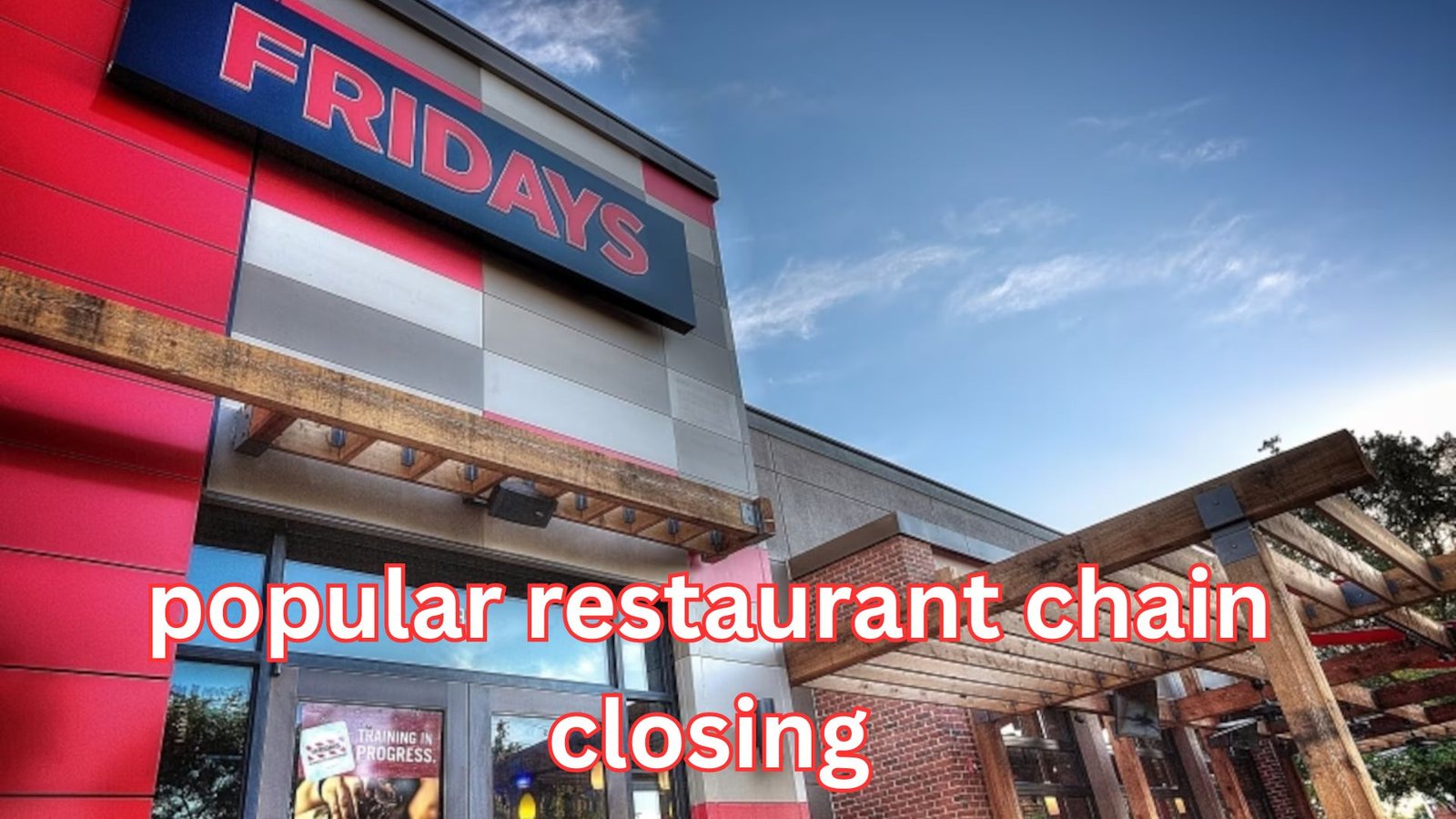
Popular restaurant chain closing announcements have become increasingly common across the country, raising serious questions about the future of dine-in culture and the broader food service industry. What once seemed unthinkable—well-known brands shutting doors in multiple locations—is now part of a growing pattern shaped by economic pressure, changing consumer behavior, and rising operational costs. This shift is not simply about one brand struggling; it reflects a deeper transformation within the restaurant landscape that affects employees, customers, and investors alike.
The Changing Landscape of Casual Dining
Over the past decade, the casual dining sector has experienced steady disruption. Traditional family-style eateries that once thrived on predictable foot traffic are now competing with delivery apps, ghost kitchens, and fast-casual brands offering convenience and lower prices. Established chains that built their identity around spacious dining rooms and full-service experiences are finding it harder to maintain profitability in an increasingly digital marketplace.
The closure of recognizable brands often comes after years of declining same-store sales. Customers today prioritize speed, affordability, and flexibility. Many prefer ordering through mobile apps or visiting drive-thru locations rather than sitting down for extended meals. As consumer expectations evolve, older business models struggle to adapt quickly enough.
Labor costs have also played a critical role. Minimum wage increases in several regions, combined with staffing shortages, have significantly raised payroll expenses. Restaurants operate on thin margins, and when rent, utilities, and food supply costs climb simultaneously, even profitable chains can face financial instability.
Why a Popular Restaurant Chain Closing Is Becoming More Common
The phrase popular restaurant chain closing reflects more than isolated cases of mismanagement. It highlights a broader pattern emerging in urban and suburban markets alike. Rising inflation has increased ingredient costs, forcing restaurants to either raise menu prices or absorb losses. Higher prices, however, can push price-sensitive customers toward cheaper alternatives.
Another factor is oversaturation. During expansion booms in the early 2000s, many brands opened hundreds of locations rapidly. While expansion boosted visibility, it sometimes resulted in stores cannibalizing each other’s sales. When market conditions weakened, those extra outlets became liabilities rather than assets.
Consumer tastes are also shifting toward healthier options, locally sourced ingredients, and more personalized dining experiences. Large chains that rely on standardized menus may struggle to compete with independent eateries offering niche flavors or regionally inspired dishes. As food culture evolves, uniformity is no longer always a strength.
Additionally, technological innovation has transformed expectations. Digital ordering platforms, loyalty programs, and seamless payment systems are now essential. Brands slow to modernize often fall behind competitors that invest heavily in tech-driven customer engagement.

Economic Pressures Behind Restaurant Closures
Macroeconomic conditions have amplified industry challenges. Inflation affects everything from cooking oil to packaging materials. Global supply chain disruptions have caused unpredictable shortages and higher wholesale prices. For a multi-location restaurant group, even small cost increases per unit can translate into millions in added expenses annually.
Commercial real estate costs are another burden. Long-term leases signed during stronger economic periods may lock businesses into high rental payments. When revenue declines, fixed lease obligations can become unsustainable. Some chains attempt renegotiation, while others choose to shutter underperforming sites.
Debt accumulation during expansion phases has further complicated matters. When interest rates rise, servicing loans becomes more expensive. Companies that once relied on aggressive growth strategies may find themselves financially overextended.
At the same time, consumer spending patterns fluctuate with economic uncertainty. During downturns, families often cut back on discretionary expenses, including dining out. Reduced foot traffic directly impacts revenue, accelerating financial strain.
The Human Impact on Workers and Communities
When a well-known restaurant brand announces closures, the effects ripple far beyond corporate headquarters. Thousands of employees may face layoffs or reduced hours. Many workers in the food service sector rely on hourly wages and tips, making sudden shutdowns especially difficult.
Communities also feel the impact. Restaurants often serve as gathering spaces for families, celebrations, and social events. A shuttered location leaves not just an empty storefront but a gap in local culture. Nearby businesses can experience reduced foot traffic, particularly in shopping centers where anchor tenants draw customers.
For franchise owners, closures may represent the loss of years of personal investment. Many franchisees operate independently under larger brand umbrellas. When corporate restructuring occurs, local operators can face difficult financial decisions.
Shifts Toward Delivery and Digital Models
The rapid growth of food delivery platforms has permanently altered the restaurant ecosystem. Customers now expect meals delivered within minutes, and convenience often outweighs atmosphere. Chains that once relied on dine-in experiences must adapt by redesigning kitchens for delivery efficiency.
Some companies are experimenting with smaller storefronts, pickup-only models, or shared kitchen spaces. These formats reduce rent and staffing requirements while focusing on high-volume takeout orders. While not all brands succeed with this pivot, many recognize that traditional dining rooms may no longer be the primary revenue driver.
Digital marketing has also become crucial. Social media engagement, influencer partnerships, and online reviews heavily influence dining decisions. A weak digital presence can hurt visibility and sales. Chains that fail to invest in modern outreach strategies risk losing relevance among younger audiences.
Industry Case Studies and Market Patterns
In recent years, several recognizable brands have reduced their physical footprint. Some have filed for bankruptcy protection to restructure debt and streamline operations. Others have opted for strategic downsizing rather than complete exit from the market.
These cases reveal common patterns. Rapid expansion followed by declining consumer interest often precedes closures. Heavy reliance on mall traffic has proven risky as retail footfall decreases. Brands that maintained flexible cost structures and diversified revenue streams have fared better during volatile periods.
Interestingly, not all segments are struggling equally. Fast-casual concepts emphasizing customization and quick service continue to perform relatively well. Coffee chains and drive-thru-focused businesses have shown resilience, benefiting from morning commuter traffic and mobile app ordering.
Reinvention as a Survival Strategy
Despite the challenging environment, some companies are using closures as opportunities for reinvention. By consolidating operations, renegotiating leases, and refreshing menus, brands can reposition themselves for long-term sustainability.
Menu innovation often plays a key role. Adding plant-based options, introducing limited-time offerings, or partnering with popular food personalities can generate renewed interest. Updated store designs that feel modern and welcoming may also attract customers who previously viewed the brand as outdated.
Operational efficiency improvements, including automation in kitchens and AI-driven inventory management, help control costs. Data analytics allows companies to better understand customer preferences and adjust pricing strategies accordingly.
Rebranding efforts sometimes accompany restructuring. A refreshed logo, redesigned website, and updated interior aesthetic can signal a new chapter. While such changes require investment, they may restore public confidence and drive foot traffic.

Investor and Market Reactions
Financial markets often respond quickly to news of a popular restaurant chain closing multiple locations. Share prices may fluctuate based on perceived long-term viability. Investors tend to favor companies demonstrating adaptability and disciplined expansion strategies.
Private equity firms sometimes step in to acquire struggling brands at discounted valuations. With restructuring expertise and capital infusion, these investors attempt to turn underperforming businesses around. However, success depends on effective leadership and realistic growth plans.
Analysts closely monitor same-store sales, profit margins, and digital engagement metrics to assess recovery potential. Transparent communication from management can help stabilize investor sentiment during turbulent periods.
Consumer Loyalty in a Competitive Era
Brand loyalty remains a powerful asset, but it cannot be taken for granted. Customers expect consistent quality, fair pricing, and positive experiences. Negative publicity surrounding closures can damage perception, even if only certain locations are affected.
To retain trust, companies must communicate clearly with patrons about changes. Offering promotions, loyalty rewards, and community engagement initiatives can help maintain relationships during transitions.
The rise of online reviews means reputation spreads rapidly. One poorly managed location can impact the brand’s image nationwide. Proactive customer service and swift issue resolution are essential components of modern restaurant management.
What the Future Holds for Dining Brands
While headlines about a popular restaurant chain closing create concern, they also signal an industry in transformation rather than total decline. Dining habits continue to evolve, and companies capable of embracing change can still thrive.
Sustainability initiatives, including eco-friendly packaging and responsible sourcing, are increasingly important to consumers. Restaurants aligning with these values may gain competitive advantage. Technology integration will likely deepen, with contactless payment, personalized promotions, and AI-powered forecasting becoming standard practice.
Urban development trends also influence restaurant success. Mixed-use spaces combining residential, retail, and entertainment options may provide new opportunities for brands seeking stable foot traffic.
Ultimately, adaptability determines survival. Chains willing to reassess outdated models and respond to emerging preferences stand the best chance of long-term success.
Conclusion
The surge in popular restaurant chain closing announcements underscores a pivotal moment in the food service industry. Economic pressure, shifting consumer expectations, and digital disruption have created a challenging environment for established brands. Yet within this turbulence lies opportunity. Companies that innovate, streamline operations, and prioritize customer experience can redefine their place in a rapidly changing market.
Also Read: Famousparenting Momlife: The Inspiring and Powerful Truth Behind Modern Motherhood