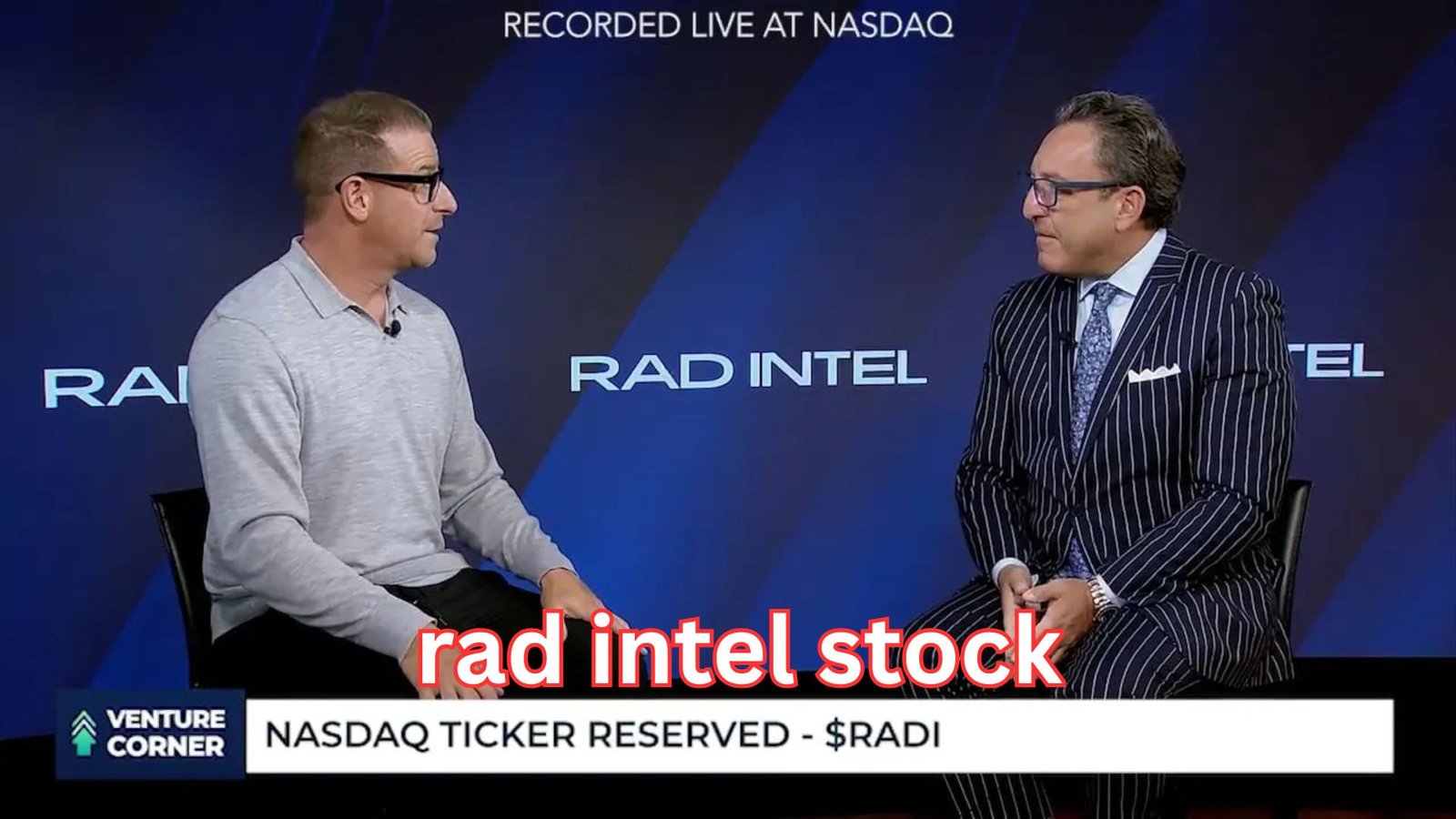
Rad intel stock has recently drawn attention from investors looking for emerging opportunities in the artificial intelligence and data analytics space. As market interest in AI-driven platforms continues to expand, many traders are evaluating whether this lesser-known company represents a promising growth story or a speculative bet. Understanding its business model, financial positioning, and competitive landscape is essential before making any investment decision.
Understanding the Company Behind the Shares
Before evaluating market potential, it’s important to understand what the company actually does. Rad Intel operates in the artificial intelligence sector, focusing on predictive analytics, audience intelligence, and data-driven decision-making solutions. The firm positions itself as a technology innovator that leverages machine learning algorithms to provide actionable insights for brands and agencies.
AI-based marketing intelligence platforms have gained popularity because businesses increasingly rely on data to optimize campaigns, measure engagement, and forecast trends. Companies that can successfully deliver scalable and accurate insights often gain a competitive advantage. However, the broader AI landscape is crowded, with established players dominating market share and newer firms competing for attention and capital.
Investors analyzing rad intel stock typically consider whether the company can carve out a sustainable niche within this competitive environment. Growth prospects depend heavily on client acquisition, recurring revenue streams, and technological differentiation.
The Broader AI and Analytics Market Landscape
The artificial intelligence market has expanded rapidly over the last decade, driven by increased cloud adoption, big data processing, and automation across industries. Companies such as NVIDIA and Microsoft have fueled industry growth by investing heavily in AI infrastructure and software ecosystems. Meanwhile, firms like Palantir Technologies have demonstrated how data analytics can transform enterprise operations.
Smaller AI-focused companies must differentiate themselves through specialization or innovation. Investors looking at emerging tech equities often seek high growth potential, but they also recognize the volatility associated with early-stage enterprises. Market sentiment can shift quickly based on earnings releases, funding announcements, or strategic partnerships.
In this environment, evaluating any developing technology firm requires a careful balance of optimism and risk management.

Financial Performance and Market Position
Financial transparency is a major factor when assessing growth stocks. Investors typically examine revenue trends, operating expenses, cash flow stability, and debt levels. Early-stage technology firms often prioritize expansion over profitability, which can lead to short-term losses while scaling operations.
For shareholders evaluating rad intel stock, quarterly performance reports and strategic announcements become key indicators of progress. Revenue growth suggests increasing demand for services, while improved margins indicate operational efficiency. On the other hand, rising expenses without proportional revenue growth may signal financial strain.
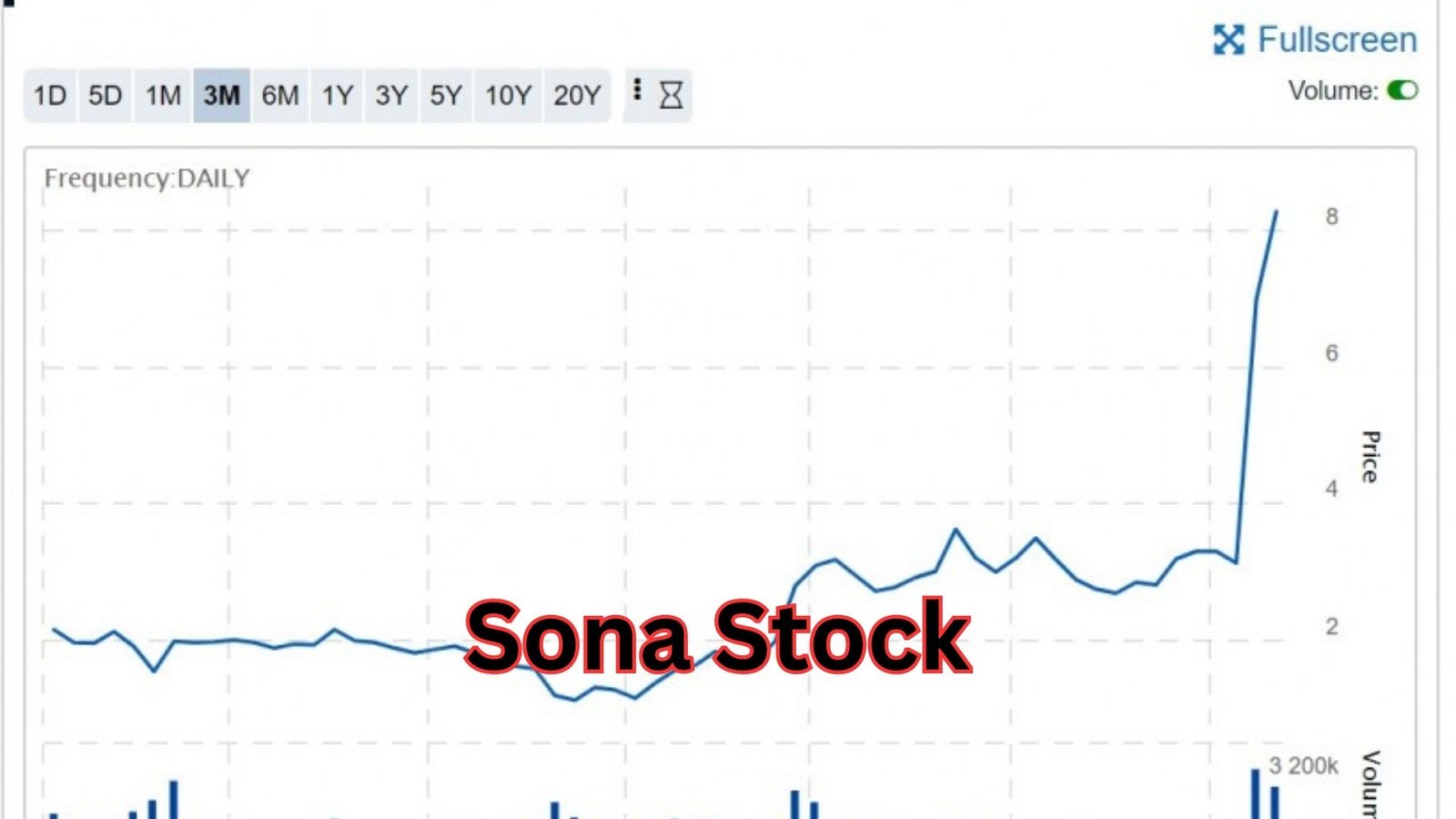
Market capitalization and trading volume also play an important role. Lower liquidity can lead to higher price volatility, making smaller tech stocks more sensitive to news cycles and investor sentiment. This volatility can present both opportunity and risk, depending on market timing and long-term outlook.
Rad Intel Stock and Investor Sentiment
Market psychology often drives price action as much as fundamentals. Rad intel stock may experience significant fluctuations due to speculative trading, especially if it is categorized as a micro-cap or emerging growth stock. News coverage, social media discussions, and analyst commentary can amplify momentum in either direction.
Investors typically evaluate several qualitative factors in addition to financial data. Leadership credibility, technological innovation, and long-term vision all influence confidence. A strong management team with industry experience can increase trust, while transparent communication fosters stability during volatile periods.
In emerging sectors like AI, sentiment can sometimes outpace measurable performance. That dynamic creates opportunities for short-term traders but requires caution from long-term investors who prefer steady, predictable growth.
Competitive Strengths and Strategic Opportunities
Companies operating in artificial intelligence must continuously innovate to remain relevant. Technological agility is critical. Strategic partnerships, licensing agreements, or proprietary platforms can create barriers to entry and enhance valuation.
If Rad Intel successfully expands its client base and strengthens recurring subscription revenue, long-term growth could become more sustainable. Additionally, diversification across industries may reduce dependence on any single market segment.
Another potential catalyst includes broader AI adoption trends. As more businesses seek predictive insights and automation tools, demand for specialized analytics platforms may increase. Emerging companies that position themselves effectively could benefit from industry tailwinds.
However, competition remains intense. Larger firms with greater resources can invest heavily in research and development, marketing, and acquisitions. Smaller enterprises must therefore demonstrate innovation and cost efficiency to compete effectively.

Risk Factors Investors Should Consider
Every investment carries risk, and emerging technology companies often involve higher volatility. Investors considering rad intel stock should evaluate several core risk factors.
Operational risk is one of the most significant concerns. Scaling a technology platform requires consistent product development and infrastructure reliability. Delays, technical challenges, or customer dissatisfaction could negatively impact growth.
Financial risk is also important. Companies that rely on external funding may face dilution if additional shares are issued. Limited cash reserves could restrict expansion plans or increase vulnerability during economic downturns.
Market risk is another factor. Broader economic conditions, rising interest rates, or declining investor appetite for growth stocks can affect valuation regardless of company performance.
Regulatory considerations may also play a role. Data privacy laws and compliance requirements continue to evolve globally, and analytics companies must maintain strict standards to avoid legal complications.
Long-Term Growth Outlook
Assessing long-term potential requires a forward-looking perspective. The AI sector is expected to remain a dominant force in technological advancement over the coming decade. Businesses across retail, healthcare, finance, and entertainment are increasingly integrating data analytics into strategic decision-making.
If Rad Intel continues refining its technology and expanding its footprint, it could benefit from these macroeconomic trends. Sustainable revenue growth, strategic expansion, and operational efficiency would strengthen long-term prospects.
At the same time, prudent investors balance optimism with realistic expectations. Not every AI startup evolves into a market leader. Thorough research, diversification, and risk management remain essential components of responsible investing.
Is It a Smart Investment Decision?
Determining whether rad intel stock represents a strong opportunity depends on individual risk tolerance, investment horizon, and portfolio diversification strategy. Growth-oriented investors may find potential in emerging AI-focused companies. Conservative investors may prefer established tech giants with proven track records.
Ultimately, successful investing requires due diligence. Reviewing financial statements, analyzing competitive positioning, and understanding industry trends can provide valuable insight. While emerging technology firms can offer substantial upside, they also demand careful monitoring.
Final Thoughts
Rad intel stock stands at the intersection of innovation and uncertainty. As artificial intelligence continues transforming global industries, smaller players have the chance to capture meaningful market share. However, volatility and competitive pressure remain important considerations.
Investors willing to embrace calculated risk may view this company as a speculative growth opportunity within a diversified portfolio. Those seeking stability might prefer established enterprises with consistent earnings performance. By evaluating financial fundamentals, industry trends, and strategic direction, individuals can make informed decisions aligned with their long-term objectives.
Also Read: Bloco de Notas: The Ultimate Powerful Yet Simple Tool for Smart Productivity