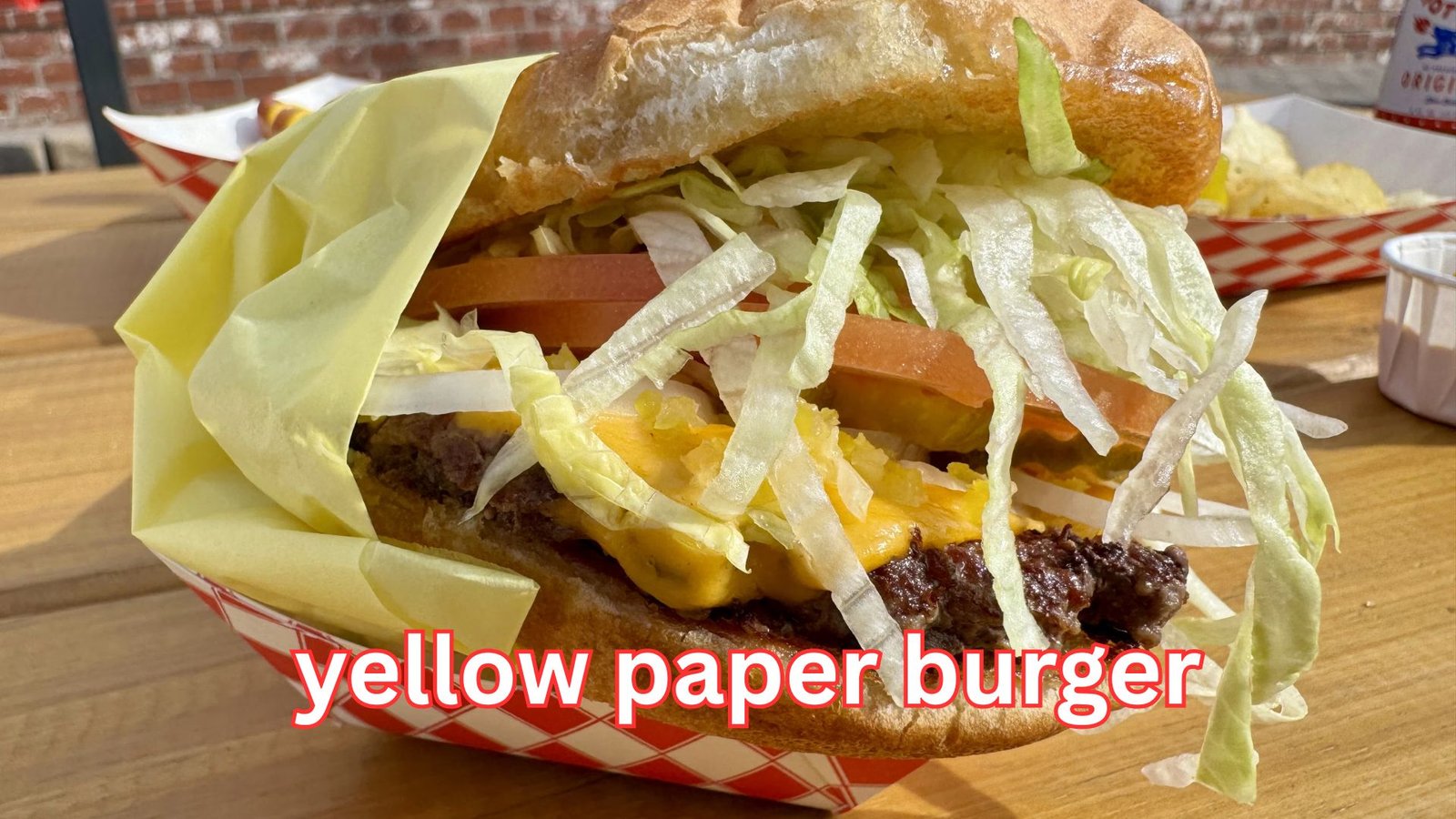
Yellow paper burger has quietly become one of the most talked-about street-style food trends, combining bold flavors, nostalgic wrapping, and irresistible presentation into one unforgettable bite. Wrapped in its signature bright sheet, this burger style is more than just a meal—it is an experience that blends comfort, creativity, and crave-worthy taste. From local food stalls to modern gourmet kitchens, this wrapped delight continues to capture attention for all the right reasons.
The growing popularity of this burger style is not accidental. Food lovers today are drawn to meals that offer both visual appeal and satisfying flavor. The distinctive yellow wrapping instantly signals freshness and warmth, creating anticipation before the first bite. What began as a practical packaging choice has evolved into a branding element that defines a culinary trend.
The Rise of a Street Food Icon
Street food culture has always influenced mainstream dining. From food trucks to pop-up vendors, quick-service meals often set the tone for broader food movements. This particular burger gained attention because of its simplicity. Vendors began using bright paper to wrap freshly grilled patties, helping retain heat while making the burger easy to carry.
Over time, customers started associating the colored wrap with freshness and quality. The presentation became part of the identity. Social media accelerated its rise, as food bloggers and influencers shared images of neatly folded wrappers revealing juicy patties, melted cheese, and toasted buns.
Unlike heavily processed fast-food chains, this burger variation often highlights freshly prepared ingredients. That authenticity has helped it grow beyond its humble origins.
What Makes It Different From Regular Burgers
At first glance, it may look like any other handheld sandwich. However, the difference lies in details. The wrapping locks in warmth and moisture, keeping the bun soft and the fillings flavorful. Many vendors customize their versions with secret sauces, caramelized onions, and premium-quality beef or chicken.
The experience begins even before unwrapping. The aroma trapped inside the paper builds excitement. When the fold is opened, steam rises, revealing layers of flavor carefully stacked inside. This ritual adds emotional value to what might otherwise be a simple meal.
Texture also plays an important role. The bun is often lightly toasted on the inside while remaining soft outside. The patty is cooked to maintain juiciness without becoming greasy. Combined with crisp lettuce, fresh tomatoes, and creamy sauces, every bite feels balanced.
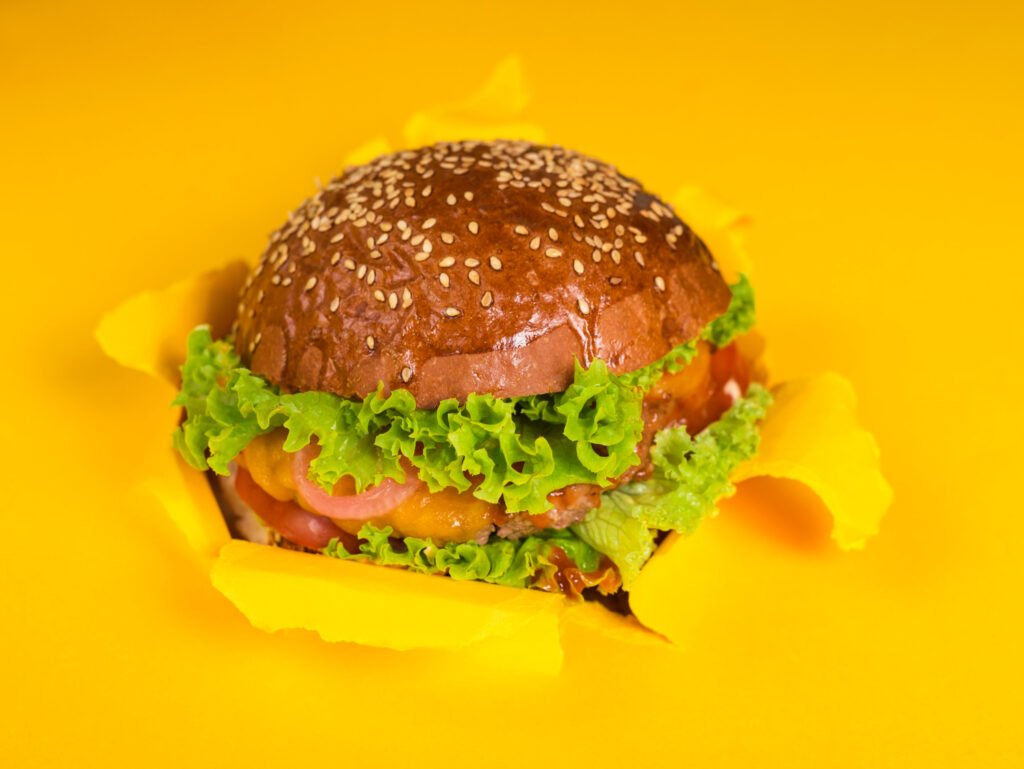
Yellow Paper Burger and Its Unique Appeal
The phrase yellow paper burger has become synonymous with a street-inspired yet premium food experience. While the packaging might seem minor, it contributes heavily to the product’s identity. In competitive food markets, branding matters as much as flavor.
Consumers are naturally attracted to visual consistency. A recognizable wrap creates instant recall. Whether purchased at a roadside stall or a modern café, the familiar wrapping builds trust.
Beyond aesthetics, the paper serves a functional role. It absorbs excess moisture without making the bun soggy. It also allows for easy handling, especially when sauces and melted cheese are involved. This practical advantage enhances customer satisfaction and encourages repeat purchases.
Restaurants have even started designing custom printed wraps to differentiate their versions. What started as simple packaging is now a powerful marketing tool.
Ingredients That Define the Flavor
The heart of this burger style lies in high-quality components. While recipes vary, certain elements remain consistent. A well-seasoned patty forms the base, typically made from freshly ground beef, tender chicken, or plant-based alternatives for vegetarian options.
Cheese selection adds another layer of richness. Some vendors use classic cheddar, while others experiment with mozzarella, pepper jack, or smoked varieties. The melting process is key. Proper heat ensures the cheese blends seamlessly with the patty rather than overpowering it.
Sauces often distinguish one vendor from another. House-made blends featuring garlic, herbs, mild spices, or tangy notes elevate the overall profile. Fresh vegetables provide crunch and brightness, balancing the richness of the meat and cheese.
Buns are equally important. Soft brioche buns are popular due to their slight sweetness and ability to hold fillings without falling apart. Some opt for sesame seed tops for added texture.
The Role of Presentation in Modern Food Culture
In today’s digital era, food is judged visually before it is tasted. A carefully wrapped burger photographed mid-unfold creates instant engagement online. The bright wrapper contrasts beautifully with golden buns and vibrant fillings, making it highly shareable.
Customers are increasingly influenced by what they see on social platforms. Restaurants that understand this psychology use cohesive branding, consistent wrapping, and neat assembly to create a memorable impression.
Presentation also impacts perceived quality. Even if two burgers taste similar, the one presented thoughtfully often feels more premium. The wrapping provides that subtle upgrade without requiring expensive ingredients.
Why Consumers Keep Coming Back
Repeat customers are driven by a combination of taste, comfort, and reliability. The familiar feel of the wrapping creates emotional attachment. It reminds people of street markets, casual evenings, and quick yet satisfying meals.
Another reason for its popularity is portion balance. Unlike oversized gourmet burgers that become difficult to handle, this style typically maintains manageable proportions. It satisfies hunger without feeling excessive.
Price accessibility also contributes to its success. Because the packaging is cost-effective and preparation methods are straightforward, vendors can offer competitive pricing without compromising quality.
Variations Across Different Regions
As with most food trends, regional adaptations have emerged. In some areas, spicy sauces dominate the flavor profile. In others, mild and creamy combinations appeal to broader audiences. Some chefs experiment with grilled pineapple, sautéed mushrooms, or crispy fried onions to create unique twists.
Plant-based versions have also gained momentum. With growing awareness around sustainable eating, many vendors now offer vegetarian patties wrapped in the same iconic style. This ensures inclusivity while maintaining brand identity.
Fusion concepts continue to evolve. Certain restaurants combine international flavors such as Korean-inspired marinades, Mexican-style spices, or Mediterranean herbs to stand out in competitive markets.

The Business Perspective Behind the Trend
From a business standpoint, the concept is remarkably efficient. The wrapping simplifies serving and reduces the need for additional packaging. This lowers operational costs while enhancing portability.
Brand differentiation is another advantage. A distinctive wrap becomes instantly recognizable even from a distance. For small food businesses, this visual identity can compete effectively with larger franchises.
Customer loyalty grows when experiences feel consistent. The tactile act of unwrapping adds familiarity that strengthens brand memory. Over time, that emotional connection translates into steady demand.
Health Considerations and Smart Choices
While indulgent, this burger style can be adapted to suit health-conscious consumers. Lean meat options, whole-grain buns, and lighter sauces help reduce calorie density. Adding more vegetables enhances nutritional value without sacrificing taste.
Portion control also plays a role. Because the burger is often compact and neatly wrapped, it encourages mindful eating. Consumers can enjoy a flavorful meal without feeling overly full.
Some vendors highlight ingredient transparency, listing sourcing details and preparation methods. This builds trust among customers who value clean eating practices.
Cultural Significance and Nostalgia
Food often carries emotional weight. The simple act of holding a warm, wrapped burger can trigger memories of childhood outings, night markets, or roadside stops during travel. That sense of nostalgia contributes to its enduring popularity.
The bright wrapper itself has become symbolic of casual comfort food. It represents accessibility and authenticity rather than corporate uniformity. For many people, it reflects the charm of local food culture.
As dining trends shift toward experiential eating, small details like packaging and aroma play increasingly important roles in shaping perception.
The Future of This Wrapped Classic
Looking ahead, innovation will likely continue. Sustainable packaging materials may replace traditional paper while maintaining the iconic color. Gourmet chefs may reinterpret the concept with premium ingredients and elevated plating.
Despite evolving trends, the core appeal remains unchanged: fresh ingredients, satisfying flavor, and a memorable unwrapping experience. The combination of practicality and personality ensures lasting relevance.
Consumers today crave food that tells a story. This burger style offers more than just taste; it delivers identity, familiarity, and visual charm. That combination is difficult to replicate.
Conclusion
The yellow paper burger stands as a powerful example of how simple ideas can transform into lasting food trends. What began as practical packaging has evolved into a recognizable culinary symbol appreciated by street vendors and modern cafés alike. Through quality ingredients, thoughtful presentation, and emotional connection, this wrapped delight continues to win hearts across generations.
Also Read: The Canebrake: A Stunning and Unforgettable Southern Escape