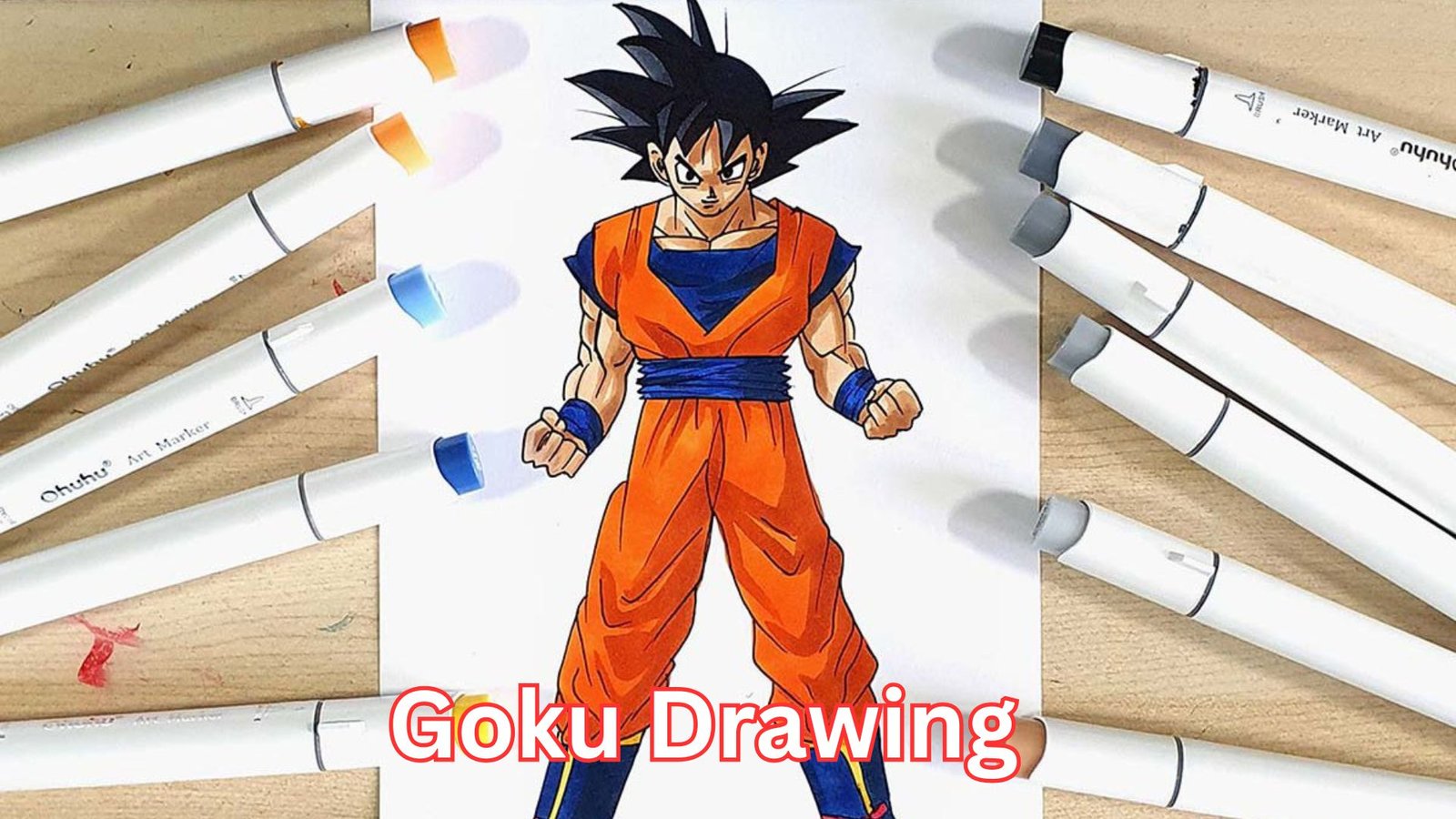
Goku drawing is one of the most exciting and rewarding challenges for anime artists who want to sharpen their skills while capturing the energy of a legendary character. Whether you are a beginner exploring sketching for the first time or an experienced illustrator refining dynamic poses, learning to draw this iconic Saiyan hero can dramatically improve your understanding of anatomy, expression, and movement. This comprehensive guide will help you master proportions, facial structure, action poses, and stylistic details in a natural, step-by-step way.
Understanding the Legacy Behind the Character
Before putting pencil to paper, it helps to understand who Goku is and why he remains one of the most recognizable anime heroes ever created. Goku originates from the globally successful manga and anime series Dragon Ball, created by Akira Toriyama. His character design blends simplicity with exaggerated features, making him both approachable for beginners and challenging for professionals.
The spiky hair, muscular but streamlined physique, and expressive eyes are trademarks that define his look. These design elements are not random; they reflect strength, innocence, and determination. When sketching him, it is important to capture not just the shape but the personality embedded in each feature.
Studying official illustrations, manga panels, and animation stills can train your eye to notice consistent patterns. Pay attention to how his hair changes in different transformations and how his facial structure slightly adjusts depending on emotion or power level.
Why Artists Love Drawing This Anime Hero
Artists are drawn to this character for several reasons. First, the dynamic action poses make for visually exciting compositions. Second, the bold line work and defined muscle groups provide a strong foundation for learning figure drawing. Third, the character evolves throughout the series, offering multiple versions to explore, from base form to powerful transformations.
Practicing character illustration like this builds confidence in anatomy, proportion, and perspective. You learn to simplify complex forms while maintaining energy. This balance is a skill that transfers well to other anime and comic-style artwork.
Tools and Materials for Better Results
You do not need expensive equipment to begin. A simple pencil, eraser, and sketchbook are enough. However, as you progress, you may want to experiment with fineliners for bold outlines or digital tablets for coloring and shading.
Traditional artists often prefer HB or 2B pencils for initial sketches because they allow light, adjustable strokes. Inking tools help define the final lines with clarity. If you work digitally, layering can help separate rough sketches from final line art and color.
The key is not the tool but your consistency. Regular practice strengthens muscle memory and improves control over lines and curves.
Goku Drawing Step-by-Step Approach
When starting a goku drawing, begin with simple shapes. Use a circle for the head and light guidelines to mark the center of the face. This ensures proper alignment of the eyes, nose, and mouth.
Next, sketch the jawline. Goku’s face typically features a defined but not overly sharp chin. His eyes are large, angled, and expressive, especially during intense moments. Keep the eyebrows strong and slightly curved to reflect his determined personality.
The hair is often the most intimidating part. Break it down into large triangular spikes instead of drawing individual strands. Focus on overall direction and volume. The spikes should flow upward and outward in a controlled but energetic way.
Once the head is complete, move to the torso. The body should appear athletic and proportionate. Broad shoulders taper slightly into the waist. Muscles are defined but not exaggerated to the point of realism. Think stylized strength rather than hyper-detailed anatomy.
Add clothing details such as the martial arts gi, belt, and wristbands. Keep folds simple and strategic. Anime clothing typically emphasizes movement with minimal but effective lines.
Mastering Facial Expressions and Emotion
Capturing emotion is what separates a flat sketch from a powerful illustration. In battle scenes, Goku’s expression becomes intense, with narrowed eyes and clenched teeth. In calm moments, his smile is relaxed and friendly.
The eyebrows play a major role in conveying emotion. A slight adjustment in their angle can completely change the mood of your artwork. Likewise, subtle shading around the eyes can enhance depth and drama.
Practice drawing multiple expressions on the same page. This exercise builds versatility and helps you understand how small variations impact the overall feel of the piece.
Proportions and Anatomy in Anime Style
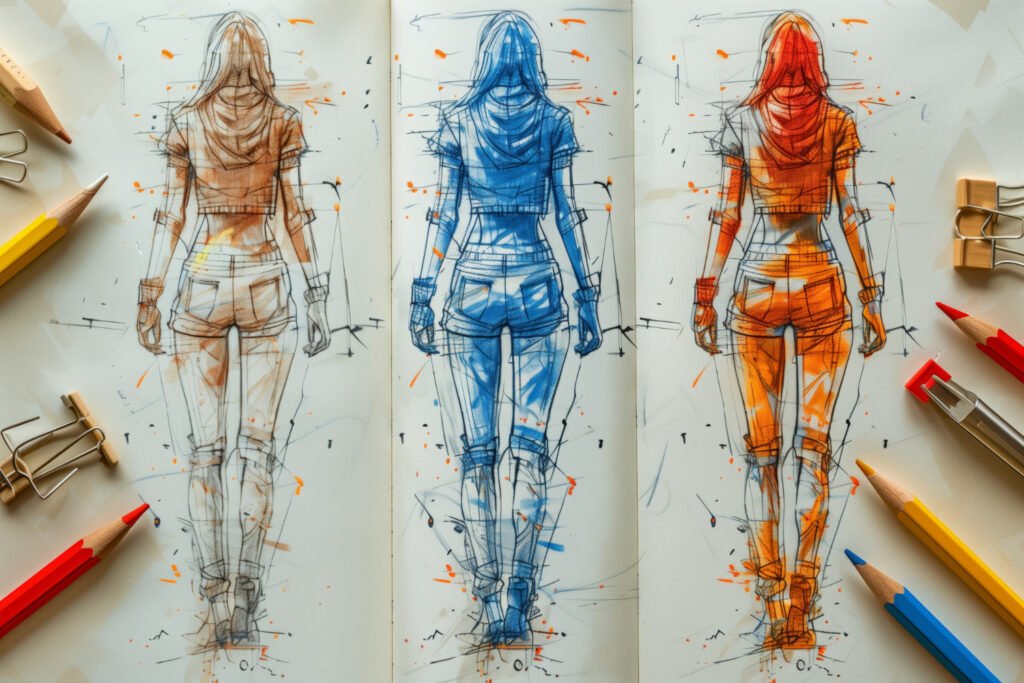
Anime anatomy differs from realistic human anatomy. Limbs are often slightly elongated, and muscle definition is simplified into clean, readable shapes. When drawing Goku, avoid overcomplicating muscle fibers. Instead, focus on major muscle groups like the chest, biceps, and quadriceps.
Use reference poses to improve realism in action scenes. Dynamic stances such as mid-air kicks or energy attacks require understanding balance and weight distribution. Even in exaggerated poses, the body must feel grounded.
Studying martial arts stances can also improve authenticity. Since Goku is a fighter trained in combat disciplines, his posture reflects readiness and control.
Hair Transformations and Visual Impact
One of the most exciting aspects of illustrating this character is exploring his transformations. In the Super Saiyan form, the hair becomes sharper and more upright. The energy surrounding him adds intensity and motion to the composition.
Color choice dramatically influences the final effect. Golden tones for Super Saiyan forms and blue hues for advanced transformations create striking contrasts. Even in black-and-white sketches, you can convey transformation by adjusting the sharpness and volume of the hair spikes.
Focus on silhouette. If the outline alone is recognizable, your structure is strong.
Line Art and Shading Techniques
Clean line art defines professional-looking anime illustrations. Once your rough sketch feels balanced, trace over it with confident, smooth strokes. Avoid scratchy lines. Instead, aim for deliberate curves and sharp angles where needed.
Shading should enhance form without overwhelming the drawing. In anime style, shadows are often bold and placed strategically under the chin, beneath hair spikes, and around muscles. This creates depth while maintaining stylistic simplicity.
Digital artists can experiment with cel shading, which mirrors traditional animation techniques. Traditional artists can use light cross-hatching to suggest depth while keeping the style consistent.
Common Mistakes and How to Avoid Them
Many beginners struggle with hair proportion. Oversized spikes can distort the head shape. Always step back and compare the hair volume to the skull underneath.
Another common mistake is over-detailing muscles. Remember that anime art thrives on clarity. Too many lines can make the drawing look cluttered.
Facial symmetry also matters. Use guidelines to keep the eyes aligned. Even a slight imbalance can affect the entire expression.
Lastly, avoid stiff poses. If the body looks rigid, lightly redraw the gesture line before refining details. A fluid base creates a dynamic final result.
Improving Your Skills Over Time
Consistency is more important than perfection. Dedicate time each week to practice different aspects, such as hands, facial angles, or action poses. Redrawing the same character multiple times reveals noticeable improvement.
Study other characters from Dragon Ball Z to understand stylistic consistency. Comparing designs within the same universe can deepen your understanding of proportions and detail levels.
You can also analyze artwork from professional manga artists to observe how they simplify complex shapes. Over time, you will develop your own style while maintaining recognizable features.
From Sketch to Finished Artwork
Transforming a rough concept into polished art requires patience. After completing your base sketch, refine outlines and erase unnecessary guidelines. Add final details to clothing folds and facial features.
Consider the background. Even a subtle energy aura or speed lines can enhance the action. Keep the background minimal if you want the character to remain the focal point.
Coloring is optional but powerful. Flat colors create a clean look, while gradients can add drama. Be mindful of light sources to ensure shadows remain consistent.
Conclusion: Turning Passion Into Powerful Art
Goku drawing is more than just copying a popular anime character. It is an opportunity to develop core artistic skills while connecting with one of the most iconic heroes in animation history. By understanding proportions, mastering expressive features, and practicing dynamic poses, you can create artwork that feels alive and energetic.
Stay patient with your progress. Every sketch teaches something new, whether it is refining line control or improving anatomy. With consistent practice and attention to detail, your anime illustrations will become stronger, more confident, and uniquely yours.
Also Read: Inkspired The Ultimate Positive Platform Transforming Online Storytelling