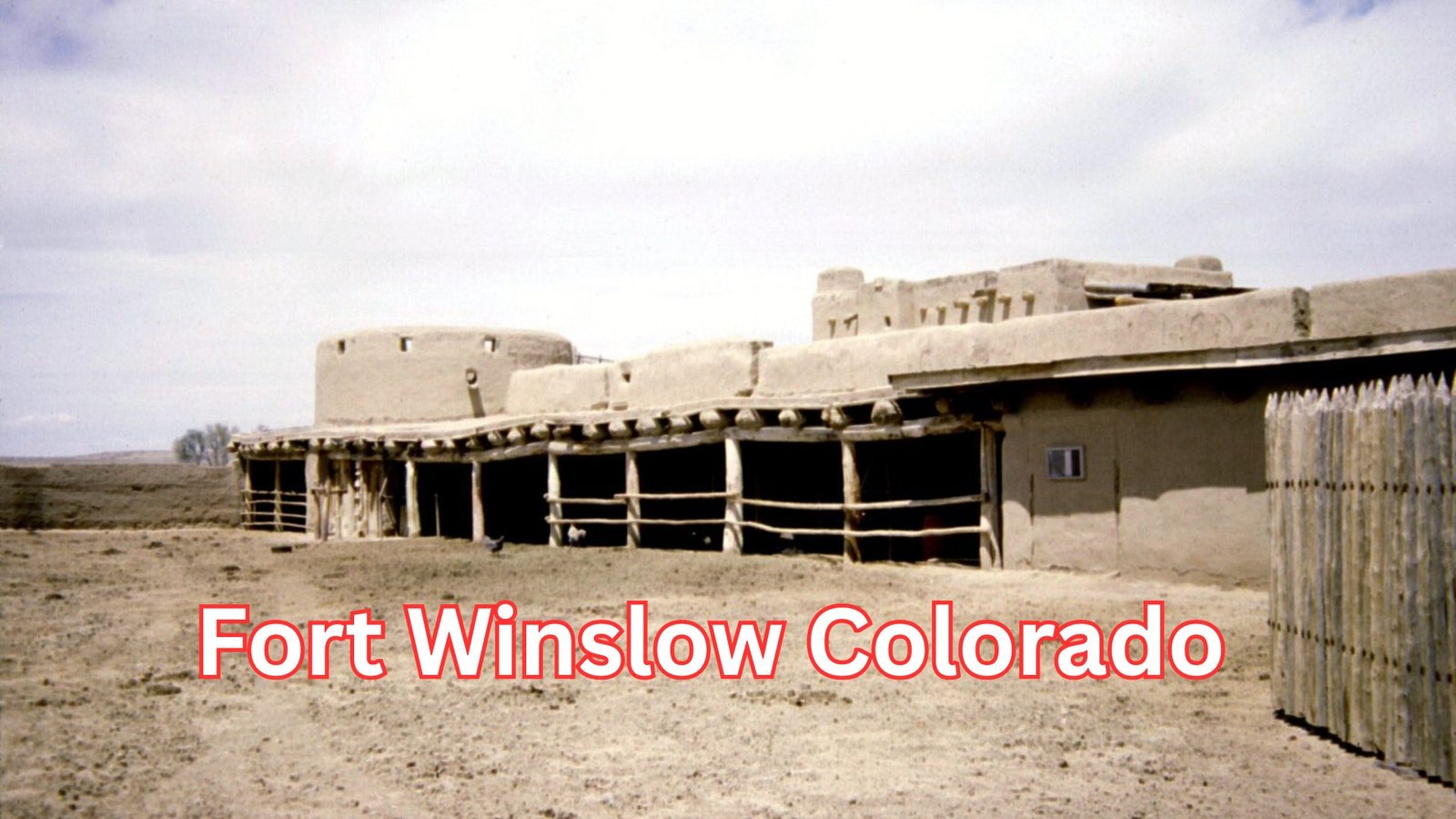
Fort Winslow Colorado carries an air of mystery that continues to spark curiosity among history enthusiasts, travelers, and researchers alike. Often mentioned in regional discussions about historic military outposts, this intriguing name invites questions about its origins, significance, and connection to the broader story of the American West. Whether you are exploring Colorado’s past or simply seeking clarity about this little-known landmark, understanding its background reveals a compelling narrative tied to frontier defense, expansion, and historical preservation.
Colorado’s history is filled with forts, trading posts, and military camps that played important roles during westward expansion. Throughout the 19th century, military installations were established to protect settlers, maintain supply routes, and manage relations between expanding communities and Native American tribes. While some forts became well-documented landmarks, others faded into obscurity or became confused with similarly named locations in neighboring states.
The story surrounding Fort Winslow Colorado is often intertwined with broader regional military history. During the late 1800s, the U.S. Army constructed numerous posts across the western territories. These installations were strategically placed near rivers, trails, and rail lines to safeguard transportation corridors and provide support for settlers moving westward.
Many people searching for this location are surprised to learn that historical records do not clearly identify a major permanent military installation by that exact name within Colorado. Instead, researchers frequently encounter references to similarly named forts elsewhere in the United States. This confusion has fueled debate and speculation, making the subject even more fascinating.
The Historical Context of Fort Winslow Colorado
To understand the origins of Fort Winslow Colorado, it helps to examine the broader military framework of the region during the 19th century. Colorado Territory, established in 1861, quickly became strategically important due to mining discoveries, expanding railroads, and increasing settlement.
Several well-documented forts were built in Colorado, including Fort Garland, Fort Lyon, and Fort Morgan. These installations served as defensive outposts and logistical hubs. They played roles in conflicts, protection of trade routes, and the enforcement of federal policies during a turbulent period of territorial growth.
Because many forts were named after military officers or political figures, it is possible that Fort Winslow Colorado became part of local lore through informal naming, temporary encampments, or misinterpretation of historical documents. Small camps and short-lived posts were sometimes recorded inconsistently, leading to gaps in documentation.
Understanding this historical landscape is crucial. The American West was dynamic, and many sites evolved rapidly or disappeared once their strategic importance declined. Not every military location achieved permanent recognition in official archives.
Why the Name Creates Confusion
One reason Fort Winslow Colorado generates curiosity is the existence of Fort Winslow in other parts of the United States. The most widely recognized Fort Winslow was located in Arizona. It served as a military post during the late 19th century and later influenced the development of the city of Winslow.
Over time, online references and secondary sources have occasionally blurred distinctions between states. As a result, people searching for Colorado-based history may mistakenly associate information from Arizona with Colorado.
This confusion highlights a common issue in historical research. Place names often repeat across different regions, especially when honoring military officers. Without careful verification, it becomes easy to assume a connection that may not exist.
The growing availability of digital records has made research more accessible, but it has also amplified errors when information is copied without proper sourcing. As interest in frontier history increases, so does the need for accuracy.
Military Expansion and Frontier Defense in Colorado
Even if documentation for Fort Winslow Colorado remains limited or unclear, the state’s military history is well established. During the mid-to-late 1800s, Colorado was a critical hub in the network of western territories.
Military posts protected stagecoach lines and later railroads, which were vital for communication and commerce. These forts also served as gathering points for troops during periods of tension between settlers and Indigenous communities.
Frontier life was unpredictable. Harsh weather, rugged terrain, and shifting political dynamics made military installations essential for stability. Soldiers stationed at these forts performed diverse duties, including escorting wagon trains, constructing infrastructure, and maintaining order.
In many cases, once conflicts subsided or transportation routes shifted, forts were abandoned. Some were dismantled entirely, while others evolved into towns or historic sites. This pattern of rapid establishment and closure may explain why certain names persist in oral tradition but lack strong archival evidence.
The Role of Local Legends and Oral History
In some communities, historical references survive through storytelling rather than official documentation. Residents may refer to an area by a historic name long after its original purpose has faded.
It is possible that Fort Winslow Colorado exists within this type of narrative framework. Temporary encampments or lesser-known posts might have carried the name informally, leaving behind limited written proof.
Local historians often rely on maps, letters, military orders, and personal diaries to reconstruct the past. However, not all materials survive. Fires, relocations, and simple passage of time have erased countless documents.
Because of this, legends sometimes fill the gaps. While legends may not always align perfectly with verified history, they contribute to cultural identity and regional pride.
Researching Colorado’s Forgotten Sites
Anyone interested in uncovering more about Fort Winslow Colorado should approach the topic with a researcher’s mindset. Primary sources such as military rosters, territorial maps, and government archives can provide clarity.
State historical societies are invaluable resources. They preserve artifacts, photographs, and documents that might not appear in widely published histories. County-level archives may also contain references to small camps or temporary garrisons.
Academic institutions in Colorado often maintain collections related to territorial development. Graduate research projects sometimes explore overlooked aspects of frontier infrastructure, offering new insights.
Careful cross-referencing is essential. When encountering online mentions of similarly named forts, verifying the state and timeframe prevents confusion. Distinguishing between Arizona’s Fort Winslow and potential Colorado references is particularly important.
The Importance of Accurate Historical Documentation
The mystery surrounding Fort Winslow Colorado underscores the broader importance of preserving historical accuracy. Mislabeling or conflating sites can distort understanding of regional development.
Historical landmarks shape tourism, education, and community identity. When information spreads without verification, it can influence perceptions for years to come.
Digital platforms have made historical exploration more accessible than ever before. However, accessibility also requires responsibility. Readers, writers, and researchers must remain attentive to context and evidence.
By examining original records and consulting reputable sources, historians can separate fact from assumption. Even when evidence is limited, acknowledging uncertainty maintains integrity.
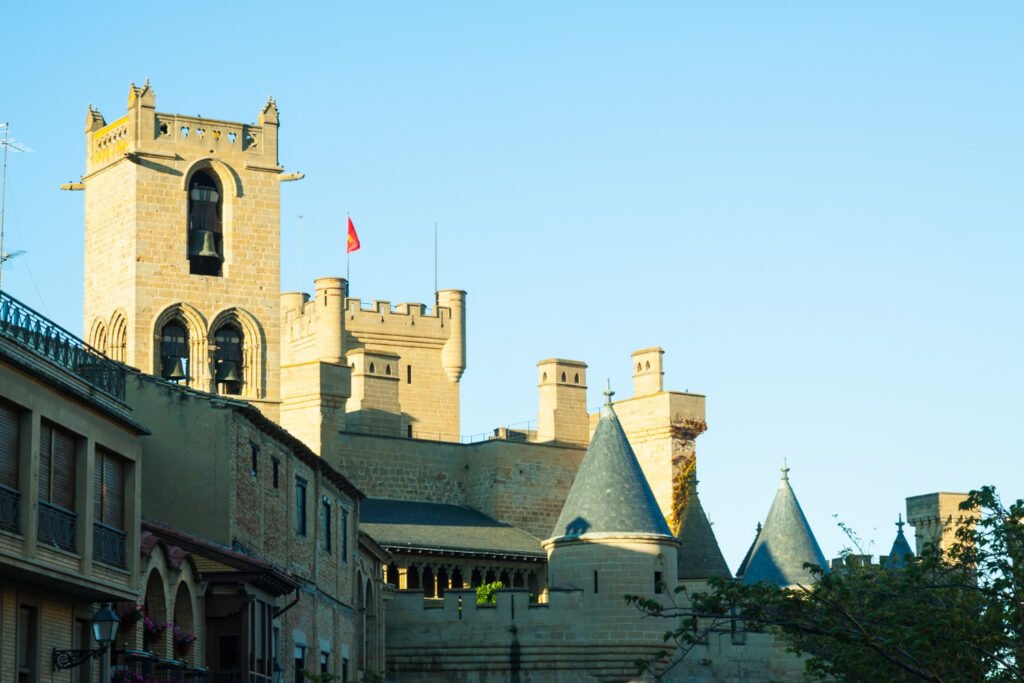
Colorado’s Rich Network of Documented Forts
While debate continues regarding Fort Winslow Colorado, the state offers numerous verified historic sites worth exploring. Fort Garland in southern Colorado remains one of the best-preserved military posts from the territorial era. Visitors can tour original buildings and learn about daily life for soldiers and officers.
Fort Lyon, another significant installation, played multiple roles over time, including serving as a hospital and later as a veterans’ facility. Its layered history reflects the evolving needs of the region.
Fort Morgan, located in northeastern Colorado, also contributed to the protection of transportation routes. Today, the surrounding community carries forward the legacy of that early military presence.
These sites provide valuable context when examining lesser-known or disputed locations. They demonstrate how forts shaped settlement patterns, commerce, and governance across the territory.
Modern Interest in Frontier Heritage
Interest in Western history continues to grow. Documentaries, novels, and tourism campaigns frequently highlight frontier narratives. This renewed attention encourages deeper research into obscure references and overlooked landmarks.
Fort Winslow Colorado has become part of this broader curiosity. Even if definitive proof of a permanent installation remains elusive, the search itself reflects a desire to connect with the past.
Genealogists tracing family roots sometimes encounter references to military assignments in Colorado. In these cases, careful examination of records ensures accurate interpretation.
As historical preservation efforts expand, new discoveries occasionally emerge. Forgotten maps or overlooked correspondence can clarify long-standing questions.
Conclusion: Separating Fact from Folklore
Fort Winslow Colorado represents an intriguing case study in historical research and regional identity. While documented evidence of a major military post by that exact name in Colorado remains limited, the discussion surrounding it highlights the complexity of frontier history.
Colorado’s 19th-century military landscape was dynamic and multifaceted. Numerous forts were established, renamed, relocated, or abandoned as circumstances evolved. Confusion with similarly named installations in other states has further complicated the narrative.
Also Read: 7 Brew Hours: The Ultimate Guide to Convenient and Reliable Coffee Stops