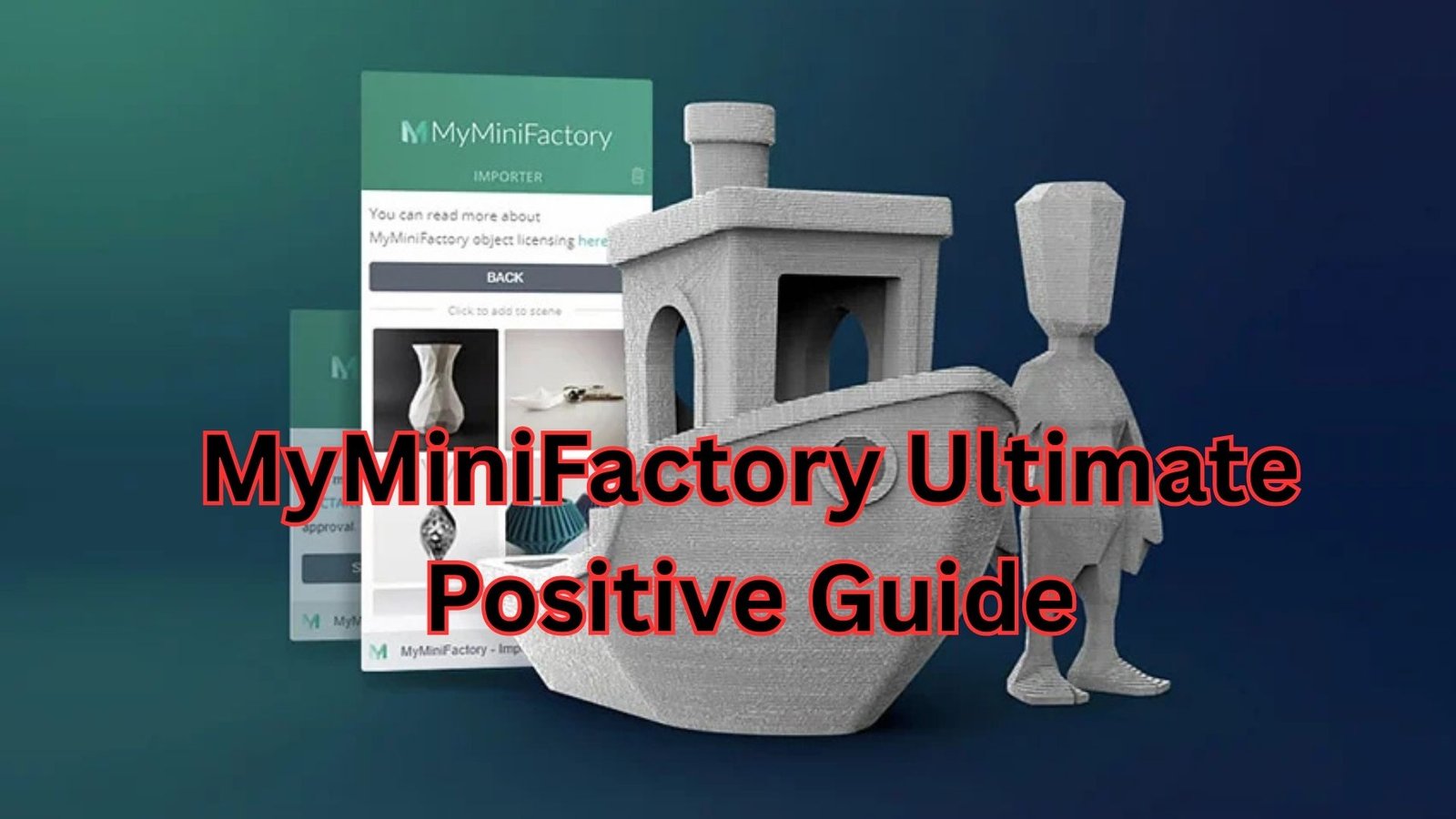
MyMiniFactory has become a trusted destination for makers, designers, and hobbyists who want reliable, high-quality 3D printable models without the frustration of failed prints or low-effort files. Built around community trust and technical accuracy, the platform has steadily grown into a creative ecosystem where digital design meets real-world production. This guide explores how the platform works, why it stands out in the 3D printing space, and how it continues to shape the future of digital manufacturing.
The world of 3D printing has evolved rapidly, moving beyond simple prototypes into art, education, gaming, engineering, and home innovation. As printers have improved, the demand for dependable digital models has grown even faster. This is where platforms that focus on quality, creator support, and user experience truly matter.
Table of Contents
The Rise of Curated 3D Printing Platforms
In the early days of consumer 3D printing, users often relied on scattered file-sharing websites with inconsistent quality standards. Many designs looked impressive on screen but failed when printed, wasting time and material. As the technology matured, the community began to demand better validation, clearer licensing, and stronger creator recognition.
Curated platforms emerged to solve these problems by emphasizing print-tested models, transparent licensing, and active moderation. These environments helped shift 3D printing from experimental tinkering to a more professional and rewarding experience. Today, curated marketplaces are not just file repositories; they are creative hubs where designers and users collaborate and learn from one another.
How MyMiniFactory Built Trust Through Quality
One of the most defining features of MyMiniFactory is its strong emphasis on printability. Files uploaded to the platform are reviewed to ensure they can be successfully printed on consumer-grade machines. This approach significantly reduces trial-and-error frustration and builds confidence for both beginners and experienced makers.
The platform’s commitment to quality extends beyond technical checks. Clear descriptions, accurate images, and well-documented designs help users understand what they are downloading before they start printing. This attention to detail has created a reputation for reliability that sets the platform apart from less regulated alternatives.
Over time, this trust-based model has attracted professional designers, studios, and brands who want their work represented accurately and respected by the community.
Supporting Designers in a Sustainable Way
A major challenge in digital creation is balancing accessibility with fair compensation. Many creators want to share their work openly, while others rely on digital sales as a source of income. MyMiniFactory addresses this by offering flexible monetization options that respect both creators and users.
Designers can choose to sell premium models, offer free downloads, or use subscription-based systems to build long-term relationships with supporters. This flexibility allows creators to experiment with pricing, release schedules, and content formats without being locked into a single approach.
The result is a healthier creative economy where designers are encouraged to invest time into refining their work, knowing there is a sustainable path forward.
Community-Driven Creativity and Collaboration
Beyond files and transactions, the platform thrives on its community. Makers regularly share photos of completed prints, discuss modifications, and provide feedback that helps designers improve future releases. This collaborative loop transforms static digital files into living projects that evolve over time.
Community engagement also plays a role in discovering new talent. Emerging designers gain visibility through user interactions, featured collections, and curated showcases. For hobbyists, this sense of participation adds meaning to the printing process, turning individual projects into shared experiences.
The platform’s social features reinforce the idea that 3D printing is not just about objects, but about creativity, learning, and connection.

MyMiniFactory and the Growth of Niche Design Markets
How MyMiniFactory Serves Specialized Audiences
MyMiniFactory has become especially popular in niche markets such as tabletop gaming, miniatures, collectibles, educational tools, and decorative objects. These specialized categories benefit from high-detail designs and consistent scaling, both of which are critical for successful prints.
For tabletop gamers, detailed miniatures and terrain pieces enhance immersion and customization. Educators use printable models to demonstrate scientific concepts, historical artifacts, and engineering principles. Home users explore decorative and functional items that fit their personal style and needs.
By supporting niche creativity, the platform helps expand the practical and artistic possibilities of consumer 3D printing.
Licensing, Ethics, and Digital Ownership
As digital files become more valuable, questions around licensing and ethical use have gained importance. Clear licensing information ensures users know whether a model can be modified, shared, or used commercially. This transparency protects both creators and users from misunderstandings or misuse.
MyMiniFactory places strong emphasis on clear licensing options, helping establish respectful norms within the community. Designers retain control over how their work is used, while users gain clarity and confidence in their projects.
This ethical foundation contributes to a more professional environment where creativity is protected rather than exploited.
Educational Value and Skill Development
For newcomers to 3D printing, learning curves can be steep. Platforms that combine quality files with educational content play a vital role in skill development. Tutorials, design notes, and community discussions help users understand printer settings, material choices, and post-processing techniques.
Over time, many users transition from downloading models to creating their own. Exposure to well-designed files helps them understand best practices in geometry, supports, and tolerances. This organic learning process strengthens the overall ecosystem and encourages innovation.
Education-driven engagement ensures that the platform remains relevant not just to hobbyists, but also to students, educators, and professionals.

Technology Trends Shaping the Platform’s Future
The 3D printing landscape continues to evolve with faster printers, new materials, and improved software tools. Resin printing, multi-material systems, and higher-resolution machines are pushing design expectations higher than ever.
Platforms like MyMiniFactory adapt by encouraging creators to experiment with advanced techniques and by showcasing designs that take advantage of new capabilities. As printers become more accessible, demand for refined, ready-to-print content will only increase.
Integration with creator subscriptions, digital storefronts, and community challenges also hints at a future where digital design platforms operate more like creative networks than simple file libraries.
Why Reliability Matters for Long-Term Adoption
Reliability is often underestimated in creative technology, yet it plays a decisive role in user retention. When users trust that a file will print as expected, they are more likely to return, invest in materials, and support designers financially.
MyMiniFactory has built its reputation around this principle, emphasizing consistent quality over sheer volume. This long-term approach fosters loyalty and positions the platform as a dependable resource rather than a disposable download site.
In an industry where frustration can quickly drive users away, reliability becomes a powerful competitive advantage.
Conclusion: A Positive Force in Digital Making
MyMiniFactory represents a thoughtful evolution of how digital design platforms can serve both creators and users. By prioritizing printability, ethical licensing, and community engagement, it has created an environment where creativity thrives without sacrificing quality or fairness.
Also Read: Backyard Landscaping Ideas That Create a Beautiful and Inspiring Outdoor Space